
On this page
- 1. Air that feels stale the moment you walk in
- 2. Window condensation that lingers into midday
- 3. A musty, "old basement" smell you cannot place
- 4. Cooking and bathroom odors that overstay their welcome
- 5. Surfaces that stay damp: sweating pipes, tacky walls, spotty ceilings
- 6. Health symptoms that ease when you leave the house
- 7. Peeling paint, warped trim, and rusting hardware
- Measure before you guess
- Reading the symptoms together
The first house I ever inspected as a young technician had a giveaway I almost missed. It was February, and every window on the north side wept a thin line of water at the bottom edge, pooling on the sill. The homeowner thought the windows were bad. The windows were fine. The house simply had nowhere to put all the moisture it was making, and it was pushing back the only way it could.
That is the thing about ventilation problems. They rarely announce themselves. They leak out sideways through a dozen small symptoms you learn to stop noticing.
Below is the symptom checklist I use, room by room and sense by sense, to figure out whether a whole house is struggling to breathe. If two or three of these ring true at once, you are almost certainly looking at a ventilation issue, not a coincidence.
1. Air that feels stale the moment you walk in
You know the feeling. You come home from a weekend away, open the door, and the air hits you as thick, close, and a little used. Within ten minutes your nose adjusts and you cannot smell it anymore, which is exactly why it is so easy to ignore.
Stale air is the broadest of the signs of poor ventilation in a house because it has so many sources at once: carbon dioxide from breathing, off-gassing from furniture and paint, cooking residue, and plain old moisture. A healthy home swaps a meaningful share of its indoor air for outdoor air over the course of a day. A stuffy one does not.
Do the “return test.” Leave the house closed up for six hours, then walk in with fresh outdoor air in your lungs. If the first breath inside feels noticeably heavier, your air exchange is weak.
2. Window condensation that lingers into midday
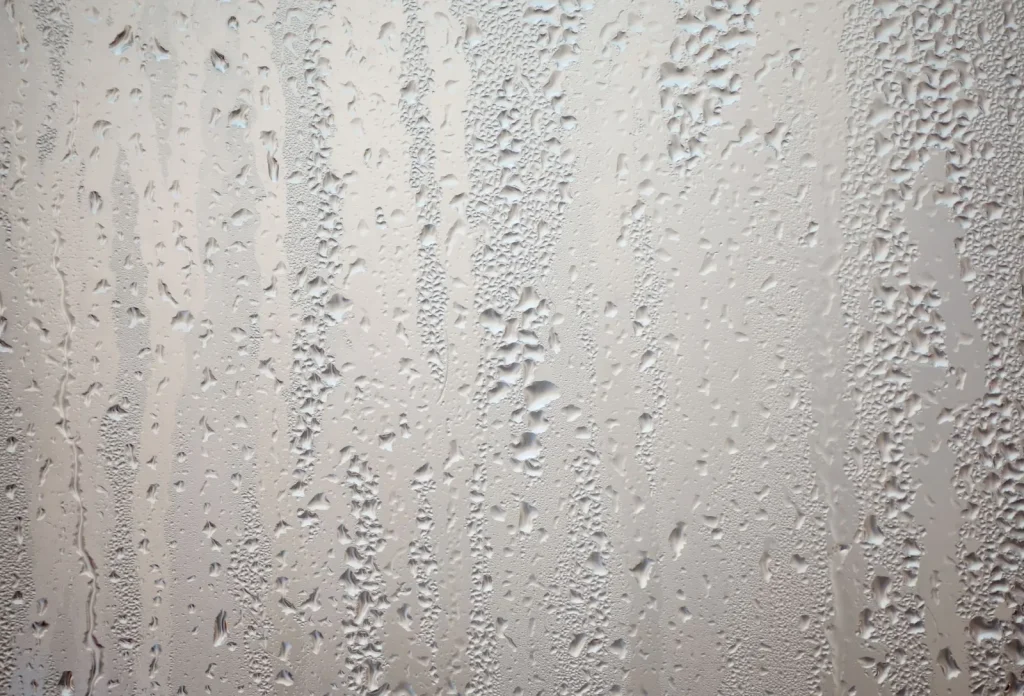
A little fog on a cold window at 6 a.m. is normal. Condensation that is still sitting there at lunchtime, or that shows up on the interior glass of double-pane windows, is your home telling you the indoor humidity has nowhere to go.
Warm indoor air holds a lot of water vapor. When it touches cold glass, that vapor condenses. In a well-ventilated house, drier outdoor air keeps replacing the humid indoor air, so the glass stays clear. When ventilation stalls, moisture builds up and the windows become the coldest surface it can cling to.
Watch for water pooling on sills, black speckling in the corners of the frame, or paint bubbling just below the glass. Those are downstream damage, not just cosmetics.
3. A musty, “old basement” smell you cannot place
Musty smell is the signature of microbial growth, and microbes need moisture. That earthy, damp-cardboard odor in a basement, closet, or laundry room means relative humidity in that pocket of the house is high enough for mold and mildew to feed.
The tricky part is that the smell often travels. Air moves through a house on convection currents, so a moisture problem in the crawlspace can end up perfuming the bedroom closet upstairs. That is why I treat a musty smell as a whole-house clue, not a single-room one.
If you can smell it, mold is already metabolizing something in your home. The nose is a better early-warning sensor than most people give it credit for.
4. Cooking and bathroom odors that overstay their welcome
Fry a batch of bacon on Saturday morning. In a house with decent airflow, the smell is mostly gone by early afternoon. In a poorly ventilated one, you can still catch it Sunday, faintly baked into the drapes and couch cushions.
The same goes for bathroom odors and the damp-towel smell after a shower. If those hang around for hours, the exhaust path is either weak or missing. A range hood that recirculates instead of venting outside is a common culprit, and it is worth checking whether yours actually pushes air outdoors.
How to spot a lazy exhaust fan
Hold a single square of toilet paper up to the running bathroom fan. It should hold flat against the grille with a soft slap. If it barely flutters, the fan is undersized, clogged, or venting into a dead attic space instead of outside.
5. Surfaces that stay damp: sweating pipes, tacky walls, spotty ceilings
Run your hand along a bathroom wall or the ceiling above a shower. If it feels cool and slightly tacky long after anyone has bathed, moisture is condensing on the surface rather than being carried away.
Other tells in this family: cold-water pipes that “sweat” and drip in summer, dark spots blooming on ceiling drywall, and grout or caulk that never fully dries between the tiles. Each one is a small map of where humid air is pooling instead of moving.
Recurring black spots in the same ceiling corner are not a paint problem. Repaint over them and they come back within a season, because the moisture source underneath never left.
6. Health symptoms that ease when you leave the house
This is the one people connect last. Headaches, a stuffy nose, dry throat, or a low fog of fatigue that lifts an hour after you step outside can trace back to poor air exchange. Indoor pollutants and carbon dioxide concentrate when fresh air does not flow.
The EPA’s indoor air quality resources note that indoor air can carry two to five times the pollutant load of outdoor air, and ventilation is one of the primary ways to dilute it. If a family member’s allergy or asthma symptoms are noticeably worse indoors, ventilation belongs on the suspect list.
7. Peeling paint, warped trim, and rusting hardware
Chronic humidity does slow, quiet damage. Paint that peels in sheets, wallpaper lifting at the seams, wood trim that cups or warps, and light rust on interior door hinges or window latches all point to sustained high moisture. These are the signs that a ventilation problem has been running for months or years, not days.
Measure before you guess
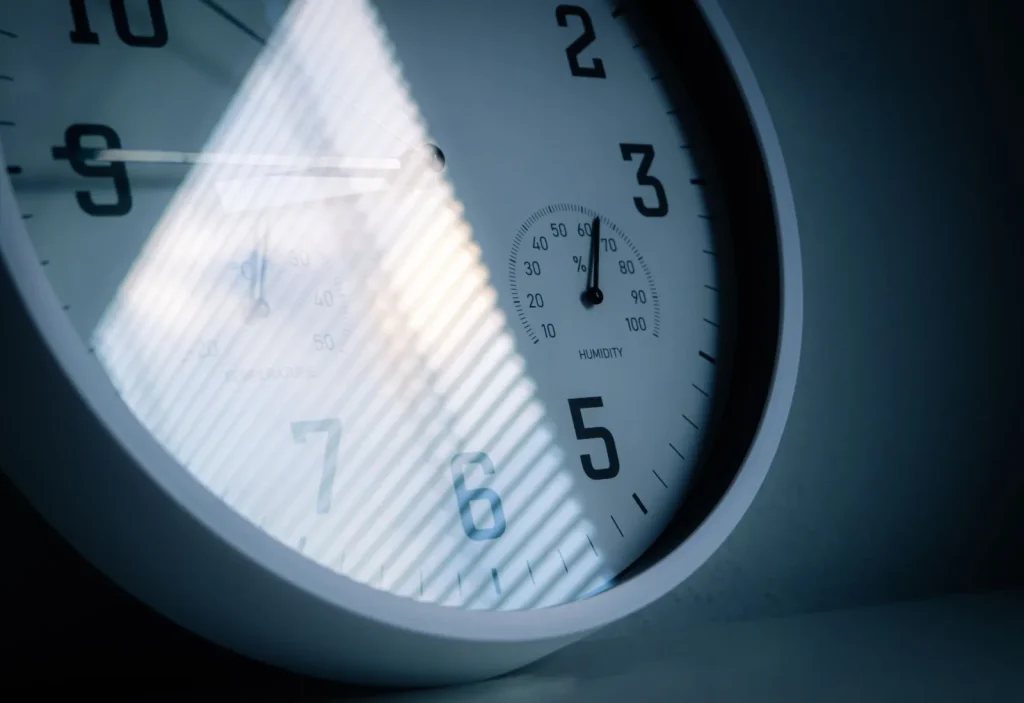
Your senses are good, but a number settles the argument. Buy an inexpensive hygrometer, around $12 to $20, and set it in the rooms that feel worst. It reads the relative humidity, and that single figure tells you a lot.
| Indoor relative humidity | What it usually means |
|---|---|
| 30-45% (winter) | Healthy range; ventilation is keeping up |
| 45-55% | Borderline; watch windows and basements |
| Above 55% in winter | Too wet; ventilation is likely falling short |
| Above 60% anytime | Mold-friendly; act soon |
The Department of Energy’s Energy Saver guidance and most HVAC pros agree that indoor humidity generally belongs in the 30 to 50 percent band. Consistent readings above that, paired with any of the symptoms above, confirm the diagnosis.
Reading the symptoms together
One foggy window on a cold night is weather. A musty closet, sticky bathroom walls, cooking smells that linger, and a hygrometer parked at 58 percent are a pattern, and patterns are what you act on.
Three or more of these symptoms showing up at the same time usually means the whole house needs more air exchange, not just one better fan.
Here is what I tell people to do next, in order:
- Put a hygrometer in your two worst-feeling rooms for a week and write down the readings.
- Confirm your bathroom fans and range hood actually vent outdoors, not into the attic.
- Run those exhaust fans longer, 20 minutes past the end of a shower or cooking session.
- If symptoms persist across multiple rooms, price out a balanced whole-house system such as an HRV or ERV.
Spot fixes solve spot problems. When the whole house feels tired, foggy, and faintly damp all at once, it needs a real air-exchange strategy, and that is a good moment to read up on whole-house ventilation systems and whether an HRV or ERV fits your climate. Start with the hygrometer this week. The number will tell you how urgent the rest of the list really is.
Frequently asked questions
What is the fastest way to tell if my house has poor ventilation?
Do the return test. Close the house up for several hours, then step outside for fresh air and walk back in. If the first breath inside feels heavy or stale, your air exchange is weak. Pair that with a $15 hygrometer reading; anything above 55 percent relative humidity in winter strongly suggests ventilation is not keeping pace with the moisture your home produces.
Is window condensation always a ventilation problem?
Not always, but often. A brief fog on a very cold morning is normal. Condensation that lingers into midday, pools on the sill, or forms between double panes means indoor humidity has nowhere to escape. That points to a ventilation shortfall. If only one window fogs, suspect a drafty seal instead; if many do, the whole house is holding too much moisture.
Can poor ventilation actually make me feel sick?
Yes. When fresh air does not flow, carbon dioxide and indoor pollutants concentrate. That can cause headaches, a stuffy nose, dry throat, and low energy. A telling sign is that the symptoms ease within an hour of going outside. The EPA notes indoor air can carry several times the pollutant load of outdoor air, and ventilation is a main way to dilute it.
What humidity level means my ventilation is failing?
Aim for 30 to 50 percent relative humidity indoors. Readings that sit above 55 percent through winter usually mean your home cannot shed the moisture it makes. Above 60 percent at any time of year is mold-friendly territory and calls for action. A cheap hygrometer left in your dampest rooms for a week gives you a reliable number instead of a guess.
Will one bathroom exhaust fan fix a whole-house problem?
Sometimes, but not usually. A single fan handles one room's moisture. If you notice stale air, musty smells, foggy windows, and lingering odors across several rooms at once, the house as a whole needs more air exchange. That is when balanced whole-house ventilation, like an HRV or ERV, earns its keep by supplying fresh air and removing stale air continuously.
Why does my basement smell musty even though it looks dry?
A musty smell comes from microbial growth, which needs only moisture to thrive, not standing water. High relative humidity in a basement or crawlspace lets mold and mildew feed on dust and organic material you cannot see. Because air travels through the house on convection currents, that smell can drift upstairs, which is why a musty basement is a whole-house clue worth investigating.

Dharm Solanki
Dharm Solanki spends a lot of time thinking about the air inside people's homes, usually when no one else is. He writes about humidity, ventilation, and dehumidifiers, along with the small fixes that turn a stuffy or damp room into one that feels comfortable again. He would rather explain why a recommendation works than just point at a product, so his guides tend to answer the question you were about to ask next. And if something looks great on paper but struggles in a normal house, he says so.