Buying & Setup Guides
Straight-talking, tested guides to humidifiers, ventilation, dehumidifiers, and the indoor air you breathe all day. No jargon, no hype, just what actually works.
Six focused libraries covering every side of the indoor air and humidity equation.
Dry indoor air shows up as cracked lips, static shocks, and a scratchy throat that will…
20 guides
Modern homes are sealed tighter than ever, which is great for energy bills and rough on…
20 guides
When indoor air holds too much moisture, you get foggy windows, musty smells, and the slow…
20 guides
The air inside many homes is more polluted than the air outdoors, and most people never…
20 guides
Comfort at home is quieter than any gadget spec sheet: air that feels neither clammy nor…
20 guides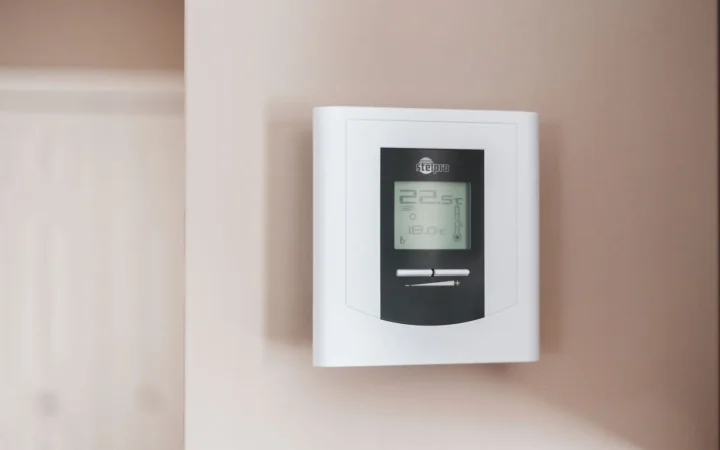
Choosing and setting up the right equipment should not feel like a gamble. This section is…
20 guidesThe guides we point friends and family to first.

A practical primer on home humidifiers covering the main types, how to size one to your room, and simple upkeep that keeps the air healthy.
Learn how much ventilation a home needs using the ASHRAE 62.2 formula, with a plain-English walkthrough of floor area, bedrooms, and a…
 Jul 30, 2026
6 min
Jul 30, 2026
6 min
A steam vaporizer humidifier boils water into warm, germ-free mist. Here is how it works, plus the real burn risk, power use,…
Jul 29, 2026
6 min
Learn how to set up your HRV controls, fan speeds, and humidity or timer modes after install so it ventilates on schedule…
Jul 28, 2026
6 min
Learn where to place a hygrometer for an accurate humidity reading, which spots to avoid, and why using two units gives you…
Jul 27, 2026
6 min
Cut seasonal allergy indoor air problems with smart window habits, a filter upgrade, and a simple entry routine that stops outdoor pollen…
Jul 26, 2026
6 min
Learn how to use a dehumidifier to dry laundry indoors faster, with tips on room setup, placement, timing, and how the running…
Jul 25, 2026
6 min
Guidance shaped by real field work in attics, basements, and living rooms, not spec sheets alone.
No pay-to-play rankings. We explain the reasoning so you can judge any product yourself.
Claims are checked against trusted sources like the EPA and Department of Energy.
For most homes, 40 to 50 percent relative humidity keeps people comfortable and discourages mold and dust mites. In cold weather you may need to drop toward 30 to 40 percent to stop condensation on windows.
Measure first with a small hygrometer. If readings sit below about 35 percent, especially in winter, a humidifier helps. If they climb above 55 to 60 percent, with musty smells or foggy windows, a dehumidifier is the better tool.
Both bring in fresh air while recovering heat from the air they exhaust. An ERV also transfers some moisture, which suits humid or very dry climates, while an HRV moves heat only and fits colder regions well.
An affordable monitor that tracks particulates and humidity is useful for spotting trends and problem rooms, even if it is not lab accurate. Use it to compare before and after changes rather than treating the exact number as gospel.
Rinse the tank daily, and do a proper clean with white vinegar every few days during heavy use. Standing water grows mold and bacteria fast, and a dirty unit will spread that straight into the air you breathe.