
On this page
The first recovery ventilator I ever swapped out had been fighting the house it was installed in for six winters. It was an ERV in a cold Minnesota climate, and the homeowner kept complaining about clammy air and a musty smell near the return. Someone had bought the wrong machine for the wrong problem.
That is the whole game with these units. An HRV and an ERV look nearly identical on the shelf and cost within a couple hundred dollars of each other, but they solve different problems. Pick by climate and moisture, not by whichever box the salesperson is pushing.
What each one actually does
Both units pull stale air out of your house and bring fresh air in, and both pass those two streams through a core so the outgoing air pre-conditions the incoming air. That is where the energy recovery happens. In winter, warm exhaust air heats the cold fresh air before it enters. In summer, the reverse.
The difference is moisture. An HRV (heat recovery ventilator) transfers heat only. An ERV (energy recovery ventilator) transfers heat and a portion of the humidity, using a core made of a moisture-permeable material instead of just metal or plastic.
An HRV manages temperature. An ERV manages temperature and humidity. That single sentence decides most purchases.
Neither one is a heater, an air conditioner, or a dehumidifier. They recover a large share of the energy you would otherwise dump outdoors, usually 60 to 80 percent, which is the reason they exist. The U.S. Department of Energy has a good plain-language overview of energy recovery ventilation systems if you want the deeper mechanics.
HRV vs ERV by climate and moisture load
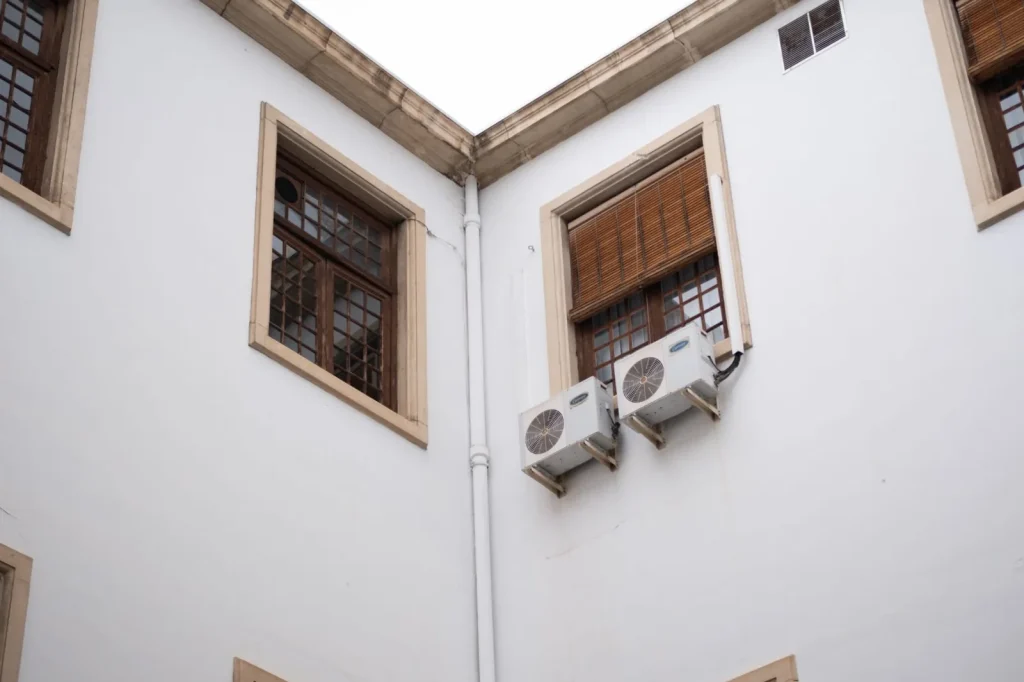
Climate is the first filter, and it is not subtle. In a cold climate with long, dry heating seasons, an HRV keeps humidity from building up indoors. In a hot, humid climate, an ERV keeps some of that outdoor moisture from riding your fresh air straight into the house.
| Situation | Better pick | Why |
|---|---|---|
| Cold winters, dry indoor air, tight new build | HRV | Vents excess moisture from cooking, showers, and people so windows do not sweat |
| Hot, humid summers | ERV | Blocks part of the incoming humidity so your AC works less |
| Very dry winters where the house gets too dry | ERV | Retains some indoor moisture instead of exhausting all of it |
| Mixed climate, no strong pull either way | ERV (slight edge) | More forgiving year-round in most of the U.S. |
Here is the trap that caught my Minnesota homeowner. If your winters are cold but your indoor air runs high in moisture, from a big family, indoor drying, or a lot of cooking, an ERV holds that moisture in and you get condensation and mold. An HRV would have vented it.
An ERV recovers moisture; it does not remove it. If you already have a damp basement, a leaky crawlspace, or standing water, no ventilator will fix that. Solve the source first, then ventilate.
A quick way to decide
Ask two questions. Does my house get uncomfortably dry in winter, or uncomfortably humid in summer? And is my moisture problem about bringing outdoor humidity in, or about venting indoor humidity out?
If your pain is dryness or summer humidity, lean ERV. If your pain is winter condensation on windows and stale, damp indoor air during heating season, lean HRV. Most of the northern tier of the country runs HRVs for good reason, while the South and coastal areas lean ERV.
Sizing the airflow to your house
The wrong-climate mistake is common, but undersizing is right behind it. A ventilator that cannot move enough air leaves you with stale rooms; one that is oversized wastes energy and money.
Airflow is measured in CFM (cubic feet per minute). A common design target is 0.35 air changes per hour for the whole house, plus roughly 7.5 CFM per occupant. The building-science standard behind most of this is ASHRAE 62.2, which many code bodies reference for residential ventilation.
Take your home’s square footage, multiply by ceiling height to get cubic feet, multiply by 0.35, then divide by 60 to get a baseline CFM. Add about 7.5 CFM per person. Buy a unit whose rated airflow comfortably covers that number at normal speed, not at maximum.
A worked example. A 2,000 square foot home with 8-foot ceilings is 16,000 cubic feet. Times 0.35 is 5,600 cubic feet per hour, divided by 60 is about 93 CFM. For a family of four, add 30 CFM, and you land near 120 CFM. I would shop for a unit rated around 150-200 CFM so it hits your target without screaming at full blast.
Buy a little headroom, not a lot. A unit that runs at 60-70 percent of its rated speed is quieter, lasts longer, and holds its recovery efficiency better than one pinned at maximum every hour.
What actually matters when comparing models
Once climate and size are settled, most of the spec sheet is noise. A few numbers earn your attention.
- Recovery efficiency: look for 70 percent or better at 32 degrees F. Cheap units sag badly in real cold.
- Rated CFM at a real static pressure: a number listed at zero resistance is fiction once ducts are attached.
- Sound rating in sones: anything under 1.5 sones at normal speed is livable in a home.
- Core type and washability: a removable, washable core saves you money over the unit’s life.
- Frost protection: essential for HRVs in cold climates so the core does not ice up.
- ENERGY STAR listing: a useful shortcut for verified efficiency, per ENERGY STAR.
Expect to pay roughly $400 to $1,200 for the unit itself, with better cores and higher airflow at the top of that range. That is the equipment only. If you want the full picture including labor and ductwork, our HRV Installation Cost Breakdown covers what drives the total.
Where this fits with your other equipment
A recovery ventilator handles fresh air and a slice of your humidity, but it is not the whole toolkit. If your real problem is a soggy basement, a dehumidifier is the right tool, and our Dehumidifier Buying Guide for Damp Rooms walks through that. If winter dryness is the issue, a Whole House Humidifier may pair well with an HRV. Think of the ventilator as one leg of the stool, not the entire chair. The same logic in our How to Buy Home Humidity and Air Equipment overview applies here.
Making the call without second-guessing it
Start with your climate zone and your honest moisture pain, then let those two facts pick HRV or ERV before you compare a single brand. Size the airflow to your square footage and how many people live there, and give yourself modest headroom on speed.
If you are genuinely on the fence in a mixed climate, an ERV is the more forgiving choice for most of the country. Get the sizing and the core efficiency right, put your money there instead of into features you will never use, and the unit will quietly do its job for fifteen years.
Frequently asked questions
Is an HRV or ERV better for a cold climate?
In most cold, dry-winter climates an HRV is the stronger pick because it vents excess indoor moisture from cooking, showers, and people, which keeps windows from sweating and mold from forming. An ERV can make sense in very cold, very dry regions where the house gets uncomfortably dry, since it holds some moisture in. Match the choice to whether your winter air runs damp or dry.
Can an ERV replace a dehumidifier?
No. An ERV transfers a portion of humidity between the incoming and outgoing air streams, but it does not actively remove water from your home the way a dehumidifier does. If you have a damp basement, condensation, or a musty smell, fix the moisture source and add a dehumidifier if needed. Treat the ERV as a fresh-air and comfort tool, not a moisture-removal machine.
How do I size an HRV or ERV for my house?
A common baseline is 0.35 air changes per hour plus about 7.5 CFM per person. Multiply your square footage by ceiling height for cubic feet, multiply by 0.35, divide by 60, then add 7.5 CFM per occupant. Buy a unit that meets that airflow at normal speed rather than at maximum, so it runs quietly and holds its efficiency over time.
How much does an HRV or ERV unit cost?
The equipment alone usually runs about 400 to 1,200 dollars, with higher airflow and better cores at the top of that range. That price excludes installation, ducting, and labor, which can add significantly depending on your home. Higher recovery efficiency and a washable core are usually worth the extra money because they lower operating cost and maintenance over the life of the unit.
What efficiency rating should I look for?
Aim for a sensible recovery efficiency of 70 percent or better measured at 32 degrees F, since many cheaper units lose a lot of performance in real cold. Check that the rated CFM is listed at a realistic static pressure, not at zero resistance, because ductwork always adds resistance. An ENERGY STAR listing is a helpful shortcut for verified performance.
Do I still need bathroom and kitchen exhaust fans with an HRV or ERV?
Usually yes. A balanced whole-house ventilator handles general fresh air, but spot exhaust in bathrooms and kitchens removes concentrated moisture and odors right at the source, which a central system cannot do as quickly. Some higher-end systems tie in bathroom pickups, but for most homes keeping dedicated exhaust fans is the simpler, more reliable approach.

Dharm Solanki
Dharm Solanki spends a lot of time thinking about the air inside people's homes, usually when no one else is. He writes about humidity, ventilation, and dehumidifiers, along with the small fixes that turn a stuffy or damp room into one that feels comfortable again. He would rather explain why a recommendation works than just point at a product, so his guides tend to answer the question you were about to ask next. And if something looks great on paper but struggles in a normal house, he says so.