
On this page
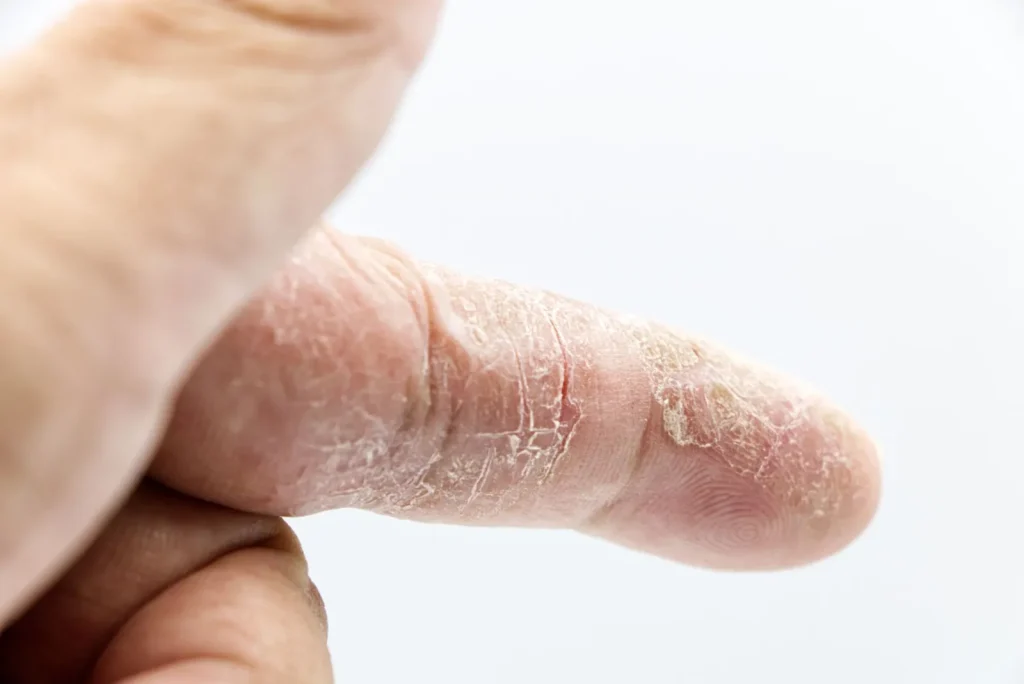
The first sign is usually your hands. Tight knuckles, a papery feeling across the back of the hand, maybe a crack near the thumbnail that stings when you wash dishes. Then the shins start to itch at night, and you reach for lotion that seems to vanish in minutes.
That is not your skin failing. That is your furnace winning.
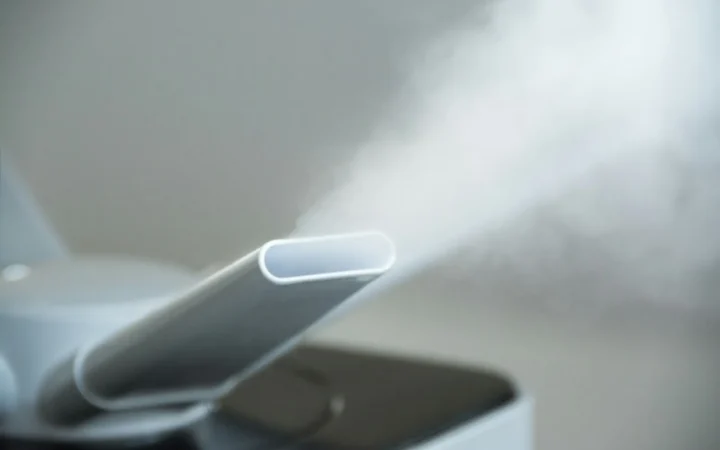
Indoor heating strips moisture out of the air, and dry air pulls water straight out of your skin to balance itself. A humidifier for dry skin works on the actual cause, which is the air, instead of the symptom you keep chasing with cream. Here is how to set one up so it actually helps.
Why heated indoor air dries your skin
Cold winter air holds very little moisture to begin with. When your heating system warms that air, the relative humidity drops even lower, often into the teens or low twenties inside a home.
Skin is happiest at moderate humidity. When the surrounding air is that dry, water evaporates from the outer skin layer faster than your body replaces it. The result is the tightness, flaking, and itch that show up every January.
Lotion sits on top of the problem. Humidity removes the problem from the air itself.
This is why people who slather on moisturizer still feel dry by mid-afternoon. The cream slows evaporation for a while, but the thirsty air keeps pulling. Fix the air and the lotion you already own suddenly lasts.
Keep indoor relative humidity between 40 and 50 percent in winter. Below 30 percent, skin dries fast. Above 55 percent, you risk condensation on windows and mold in corners.
Before you start: get a hygrometer

You cannot manage what you cannot measure. A small digital hygrometer costs about $10 to $15 and tells you the actual humidity in the room instead of leaving you to guess.
A mistake I see all the time: someone buys a humidifier, runs it full blast, and ends up with a swampy bedroom and water beading on the windows. They never checked a number. Buy the hygrometer first, place it a few feet from the humidifier but not right in the mist stream, and let it settle for a few hours before you trust the reading.
How to set up a humidifier for skin, step by step
1. Pick the right room
Put the humidifier where your skin spends the most hours: usually the bedroom, then whatever room you relax in during the evening. A humidifier running in an empty hallway does your skin no good.
For most people, the bedroom is the highest-value spot. You spend 7 or 8 unbroken hours there, and that is exactly when heated dry air quietly draws moisture out of your face and hands.
2. Size the unit to the space
A tiny 0.5-gallon unit will not touch a large open living area, and a big whole-room unit is overkill for a small bedroom. Match the tank and output to the square footage so it holds humidity without constant refills.
| Room size | Suggested tank capacity | Typical runtime per fill |
|---|---|---|
| Small bedroom (up to 250 sq ft) | 0.5 to 1 gallon | 10 to 18 hours |
| Medium room (250 to 500 sq ft) | 1 to 1.5 gallons | 12 to 24 hours |
| Large open area (500+ sq ft) | 1.5 gallons or more | 16 to 36 hours |
If you want the deeper math on this, our guide on how to size a humidifier for a room walks through it. For skin, err slightly larger so the unit is not gasping to keep up overnight.
3. Place it well within the room
Set the humidifier on a nightstand or small table, roughly 2 to 3 feet off the floor, and a couple of feet away from where you sleep or sit. Raising it helps the mist disperse instead of pooling on the floor.
Keep it off wood furniture without a tray, away from walls, and clear of electronics. Cool mist landing directly on a headboard night after night can warp finishes. Where to place a humidifier in a room is worth reading if your layout is tricky.
Do not aim the mist at your face or point it straight at a wall. Face-blasting can leave skin feeling clammy without raising room humidity, and a wet wall grows mold. You want the whole room humidified, not one damp spot.
4. Run it at the right times
Overnight is the money window for skin. Run the humidifier in the bedroom from bedtime until morning, when the heat is cycling and you are lying still for hours in that dry air.
During the day, move it or run a second unit in the room you actually occupy. You do not need it going 24/7 in an empty house. If you are unsure about scheduling, how long to run a humidifier each day covers the tradeoffs.
5. Choose warm or cool mist for comfort
For skin, either works; the difference is comfort and safety. Cool mist units are common, energy-light, and fine in most bedrooms. Warm mist can feel cozier in a cold room and boils the water first, which some people prefer.
If children or pets are in the room, cool mist avoids the hot-water risk. The topics warm mist vs cool mist humidifier and evaporative vs ultrasonic humidifiers get into the finer points if you are still deciding.
Habits that make the humidifier work harder for you
The device does the heavy lifting, but a few small habits multiply the payoff. None of these are new; they just matter more once your air is at a healthy humidity.
- Moisturize within 3 minutes of showering, while skin is still damp, to lock in that water.
- Keep showers short and warm rather than long and hot; hot water strips skin oils.
- Set the thermostat a couple of degrees lower, since cooler air stays more humid.
- Drink water through the day so your skin has moisture to hold onto.
- Check the hygrometer weekly and adjust the humidifier output as outdoor temperatures swing.
Refill with distilled or filtered water if your tap is hard. It cuts the white mineral dust that ultrasonic units can spray onto nightstands and lungs, and it keeps the tank cleaner longer.
Keep it clean or it works against you
A neglected humidifier turns into a mold and bacteria mister, which is the opposite of what your skin and lungs want. This is the part people skip, and it is the part that matters most for health.
Empty and dry the tank daily if you can. Every few days, scrub it with a diluted white vinegar solution, rinse well, and let it air dry. Replace wicks and filters on the schedule in your manual, usually every 1 to 3 months.
The EPA indoor air quality pages and the CDC both note that dirty humidifiers can push mold and bacteria into the air, so cleaning is not optional. Clean moisture helps your skin; dirty moisture can trigger coughing and irritation.
Getting your skin through the season
Start simple. Put a right-sized humidifier in your bedroom, run it overnight, and use a $12 hygrometer to hold the room between 40 and 50 percent. Give it a week and check your hands.
Most people feel the difference within a few nights: less tightness in the morning, lotion that lasts, fewer cracked knuckles by February. Add the shower and thermostat habits, keep the tank clean, and you have treated the reason your skin dries out instead of fighting it one squeeze of lotion at a time. That is a winter your skin can get through comfortably.
Frequently asked questions
What humidity level is best for dry skin in winter?
Aim for 40 to 50 percent relative humidity indoors. That range keeps your skin from losing water to the air without inviting window condensation or mold. Below 30 percent, skin dries quickly and cracks. Above 55 percent, you start seeing damp windows and mold risk. Use a cheap hygrometer to confirm the number rather than guessing by feel.
Where should I put a humidifier to help my skin the most?
The bedroom, on a nightstand or table about 2 to 3 feet off the floor and a couple of feet from where you sleep. You spend hours there in dry, heated air overnight, so that is where a humidifier does the most for your skin. Keep the mist pointed into the open room, not at your face or a wall, so the whole space humidifies evenly.
Should I run the humidifier all night for dry skin?
Yes, overnight is the highest-value window. You are lying still for 7 or 8 hours while the heat cycles and pulls moisture from your face and hands. Running it from bedtime to morning in the bedroom gives the biggest skin payoff. During the day you can move it to the room you actually use or run a second unit, but you do not need it going in an empty house.
Will a humidifier alone fix my dry winter skin?
It fixes the main cause, which is dry indoor air, but a few habits finish the job. Moisturize within about 3 minutes of showering while skin is damp, keep showers short and warm instead of long and hot, and drink water through the day. The humidifier does the heavy lifting by keeping the air from pulling water out of your skin, and the habits help your skin hold what it has.
Cool mist or warm mist for dry skin?
For skin, both raise humidity and both help. The choice is about comfort and safety. Cool mist is common, uses less energy, and avoids hot water, which is safer around kids and pets. Warm mist can feel cozier in a cold bedroom because it heats the water first. Pick based on your room and household rather than expecting one to moisturize skin better than the other.
How often do I need to clean a humidifier used for skin?
Empty and dry the tank daily if you can, and scrub it with a diluted white vinegar solution every few days, then rinse and air dry. Replace wicks or filters every 1 to 3 months per your manual. A dirty tank sprays mold and bacteria into the air, which irritates skin and lungs, so cleaning is what keeps the moisture helpful instead of harmful.

Dharm Solanki
Dharm Solanki spends a lot of time thinking about the air inside people's homes, usually when no one else is. He writes about humidity, ventilation, and dehumidifiers, along with the small fixes that turn a stuffy or damp room into one that feels comfortable again. He would rather explain why a recommendation works than just point at a product, so his guides tend to answer the question you were about to ask next. And if something looks great on paper but struggles in a normal house, he says so.