
On this page
- Before you start: get a number to aim at
- Step 1: Take a baseline reading before you touch the unit
- Step 2: Match runtime to the season
- Step 3: Let the humidistat do the work when you can
- Step 4: Know exactly when to shut it off
- How overnight runtime is different
- Right-sizing so runtime stays reasonable
- Putting it into practice this week
Here is the honest answer nobody likes: there is no set number of hours. I have had homeowners ask me to their face how long to run a humidifier, expecting me to say “six hours” or “run it all night,” and the real answer is a moving target that depends on one reading.
That reading is your relative humidity, and the sweet spot is 40 to 50 percent. Everything about daily runtime flows from hitting that band and holding it.
Once you stop thinking in hours and start thinking in percent, the whole thing gets simple. Let me walk you through how to set it.
Before you start: get a number to aim at
You cannot manage what you cannot measure. A humidifier without a hygrometer is like driving with the speedometer taped over.
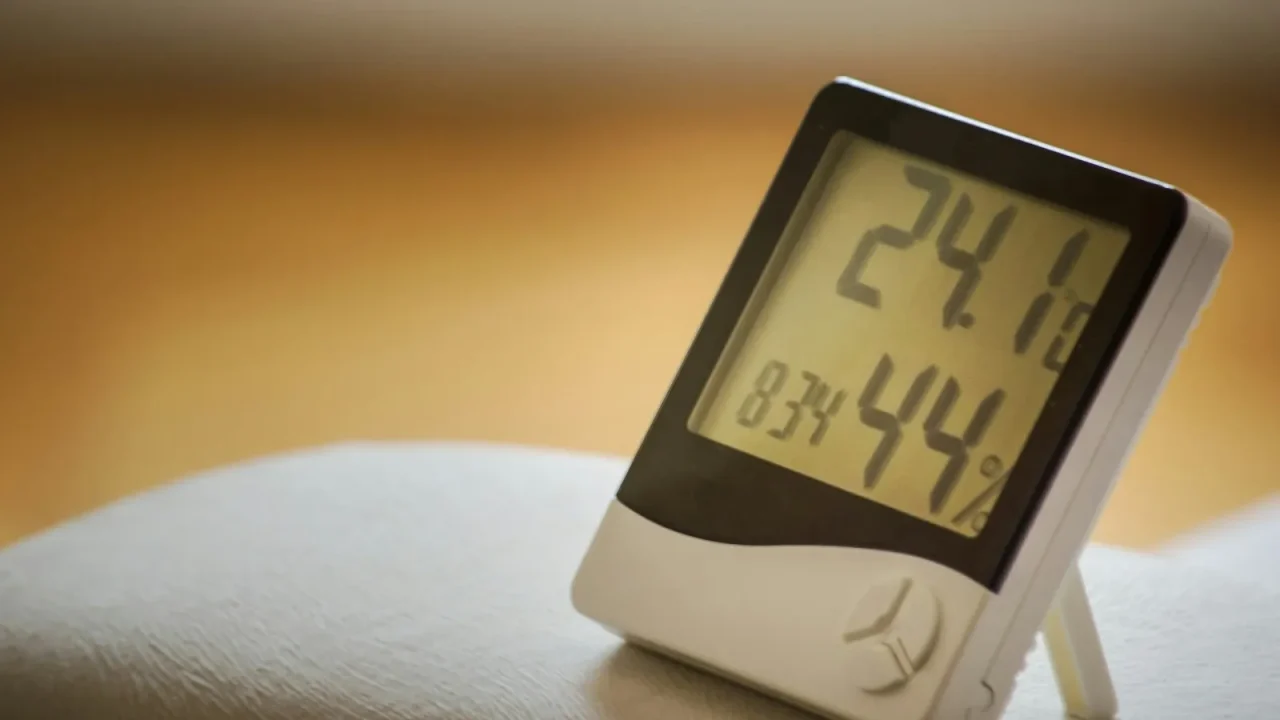
Pick up a small digital hygrometer for around $10 to $15 and set it on the far side of the room, away from the mist stream. If it reads within a foot of the unit, it will show a swampy 70 percent while the rest of the room sits at 35.
Target 40 to 50 percent relative humidity. Below 30 percent your throat, skin and wood floors suffer. Above 55 to 60 percent you invite mold, dust mites and window condensation.
The Environmental Protection Agency puts the healthy indoor range at roughly 30 to 50 percent, and you can read their guidance on moisture and indoor humidity. I aim for the middle so a cold night does not push me over the edge.
Step 1: Take a baseline reading before you touch the unit
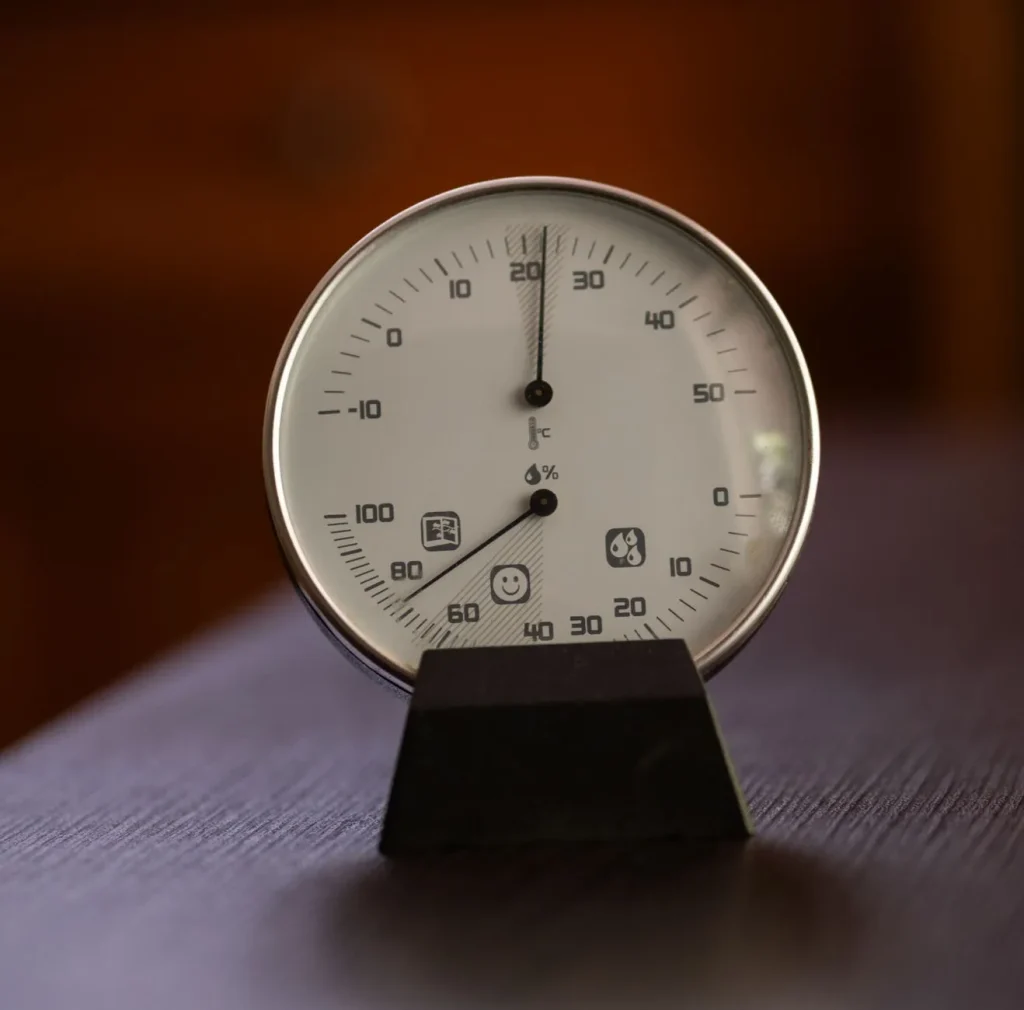
Turn the humidifier off and let the room settle for an hour. Check the hygrometer.
If it already reads 45 percent, congratulations, you may not need to run anything today. If it reads 28 percent in January, you have real drying to do and you should expect a long run.
This baseline tells you how hard the room is fighting you. A leaky older house in a cold snap loses moisture fast, so it will drink up more runtime than a tight new build.
Step 2: Match runtime to the season
Season drives almost everything. Cold outside air holds very little moisture, and when your furnace heats it, the relative humidity indoors can crater into the teens and twenties.
That is why winter is humidifier season. Summer is often the opposite problem, where you may want a dehumidifier instead.
| Season / condition | Typical daily runtime | What to watch |
|---|---|---|
| Deep winter, furnace running | 8-12 hours | Window condensation in the morning |
| Shoulder season (spring/fall) | 3-6 hours | Reading drifting above 50 percent |
| Humid summer | 0-2 hours, often none | You likely need a dehumidifier, not this |
| Dry climate year-round | 6-10 hours | Refill frequency and mineral dust |
Those are starting points, not gospel. Your house, your climate zone and your target all shift the real number.
If your unit has a built-in humidistat, set it to 45 percent and let it cycle on and off by itself. That is the closest thing to “set it and forget it” runtime you will get.
Step 3: Let the humidistat do the work when you can

A humidistat is just a thermostat for moisture. It reads the room, runs the unit until you hit the target, then shuts the output off until humidity drops again.
Better evaporative and steam units have one built in. If yours does, you are not really choosing runtime at all, you are choosing a percentage and letting the machine budget the hours.
If your unit is a simple on/off model with a dial, you are the humidistat. That means checking the hygrometer a couple of times a day and adjusting.
The clock is the wrong dashboard. The hygrometer is the right one, and it will tell you more in ten seconds than a timer will all day.
Step 4: Know exactly when to shut it off
This is where people go wrong. They run the thing until the tank is empty instead of until the room is right, and they wake up to fogged windows and a musty smell.
Shut the humidifier off when any of these show up.
- Your hygrometer hits 50 percent or climbs past it.
- You see condensation or fog forming on the inside of windows.
- The air feels heavy or clammy, especially near the floor.
- You notice a damp or earthy smell, an early warning of too much moisture.
- Walls, sills or metal surfaces feel cool and wet to the touch.
Morning window condensation is the classic sign you ran too long overnight. It is not just a nuisance. Repeated dampness on sills and drywall feeds mold, and the Mayo Clinic notes that damp indoor air can worsen mold allergy symptoms.
How overnight runtime is different
Daytime runtime is easy to manage because you are awake to read the gauge. Overnight is a different animal, and it deserves its own approach.
At night you cannot watch the hygrometer, so you lean on the humidistat or on tank size to cap the output. A unit that runs dry after eight hours cannot over-humidify while you sleep, which is a crude but effective safety valve.
I cover the sleeping side of this in more detail under Using a Humidifier at Night While Sleeping, because bedroom placement and noise change the calculation. For daytime, the short version is simpler: watch the number and stop when you hit it.
A quick real-world example
A reader in Minnesota emailed me convinced her humidifier was broken because the room “never got humid enough” no matter how long she ran it. She was running it 14 hours a day and still reading 32 percent.
The unit was fine. Her hygrometer sat two feet from a drafty patio door, in the one cold spot where moisture condensed and drained away. We moved it to an interior wall and the reading jumped to 44 percent within the hour. The problem was measurement, not runtime.
Right-sizing so runtime stays reasonable
If you find yourself running a unit 16 hours a day and still falling short, the machine is probably too small for the space. A 1.5 gallon tabletop unit cannot keep up with a 400 square foot living room in a dry winter.
Output is rated in gallons of moisture per day, and bigger rooms simply need more. Getting the capacity right up front is why How to Size a Humidifier for a Room matters so much, and it is the difference between a unit that cycles gently and one that runs flat out and never wins.
Distilled water and regular cleaning keep runtime honest. Mineral scale and clogged wicks quietly cut output, so a “long run” starts producing less mist than it should.
Putting it into practice this week
Start tomorrow morning with one habit: read the hygrometer before you switch anything on. Let that number, not the clock, tell you whether to run the humidifier for two hours or ten.
Aim for 40 to 50 percent, shut off at the first sign of window fog, and adjust as the seasons turn. If you own a humidistat, set 45 percent and let it earn its keep. Do that, and the question of how many hours mostly answers itself.
Frequently asked questions
How long should I run a humidifier each day in winter?
In deep winter with the furnace running, plan on roughly 8 to 12 hours a day, but let your hygrometer confirm it. Cold outdoor air is dry, and heated indoor air can drop below 25 percent humidity, so the unit works harder. Stop once you reach 45 to 50 percent or see condensation on the windows in the morning.
Can I leave a humidifier running all day?
You can, but only if it has a humidistat or you check the reading. Running nonstop without watching the number often pushes a room past 55 percent, which invites mold, dust mites and window fog. A humidistat solves this by cycling the output off automatically once you hit your target percentage.
What humidity level should I aim for?
Aim for 40 to 50 percent relative humidity, measured with a hygrometer placed away from the mist. Below 30 percent dries out skin, throats and wood. Above 55 to 60 percent encourages mold and condensation. Sitting in the middle gives you a cushion so a cold night does not tip you into the damp zone.
How do I know when to turn the humidifier off?
Turn it off when the hygrometer reads 50 percent or higher, when windows start to fog, or when the air feels heavy and clammy. A damp or earthy smell is another early warning. These signs mean the room has enough moisture and running longer only risks mold and condensation on cold surfaces.
Why is my humidity still low after running the humidifier for hours?
Usually the hygrometer is in a cold or drafty spot, or the unit is too small for the room. Move the gauge to an interior wall away from doors and windows. If the reading is still low, your humidifier may be undersized, or a clogged wick or mineral scale could be cutting its output.

Dharm Solanki
Dharm Solanki spends a lot of time thinking about the air inside people's homes, usually when no one else is. He writes about humidity, ventilation, and dehumidifiers, along with the small fixes that turn a stuffy or damp room into one that feels comfortable again. He would rather explain why a recommendation works than just point at a product, so his guides tend to answer the question you were about to ask next. And if something looks great on paper but struggles in a normal house, he says so.