On this page
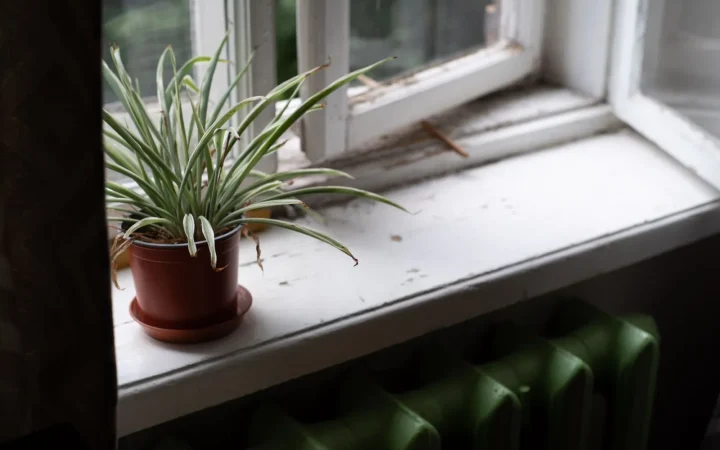
The first sign of a humidity problem in winter is almost never a hygrometer reading. It is a puddle on the windowsill, or a dark line of mold creeping up the frame of the coldest bedroom window.
I have walked into plenty of homes where the owner was proud of their new humidifier and had no idea it was quietly soaking the wall behind the curtains. Winter humidity is a balancing act, and the target is lower than the cozy number people imagine.
Let me walk you through the right range, why your windows set the real limit, and how to add moisture the safe way.
The right winter target: 30 to 40 percent
Through most of the year, a comfortable home sits between 40 and 50 percent relative humidity. Winter is the exception. As outdoor air turns cold and dry, you have to bring your indoor target down to roughly 30 to 40 percent to keep condensation off cold surfaces.
The colder it gets outside, the lower you should aim inside. On a mild 30 degree Fahrenheit day, 40 percent is usually fine. When a hard freeze drops the outdoor temperature into the single digits, you may need to drift down toward 30 percent or even below.
Start at 40 percent when it is near freezing outside, and subtract about 5 percent for every 10 degree drop in outdoor temperature. If your windows stay clear, you have room to go a little higher.
This is a different mindset than summer, where you are fighting to pull moisture out. In cold months you are gently adding it back, and the ceiling is fixed by physics rather than comfort.
Why cold windows cap your safe level
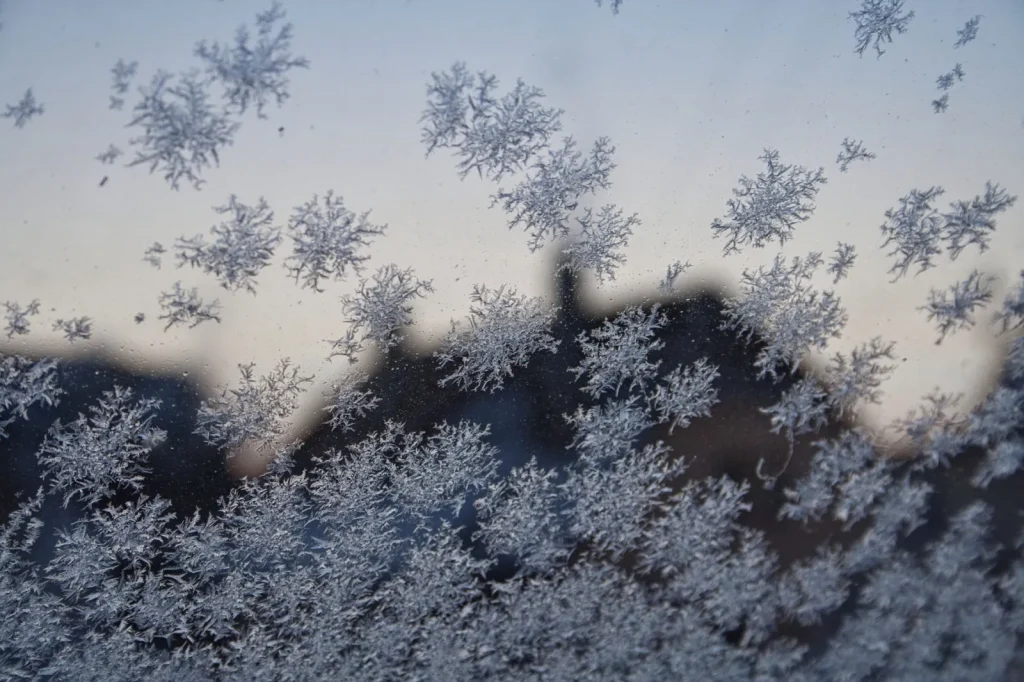
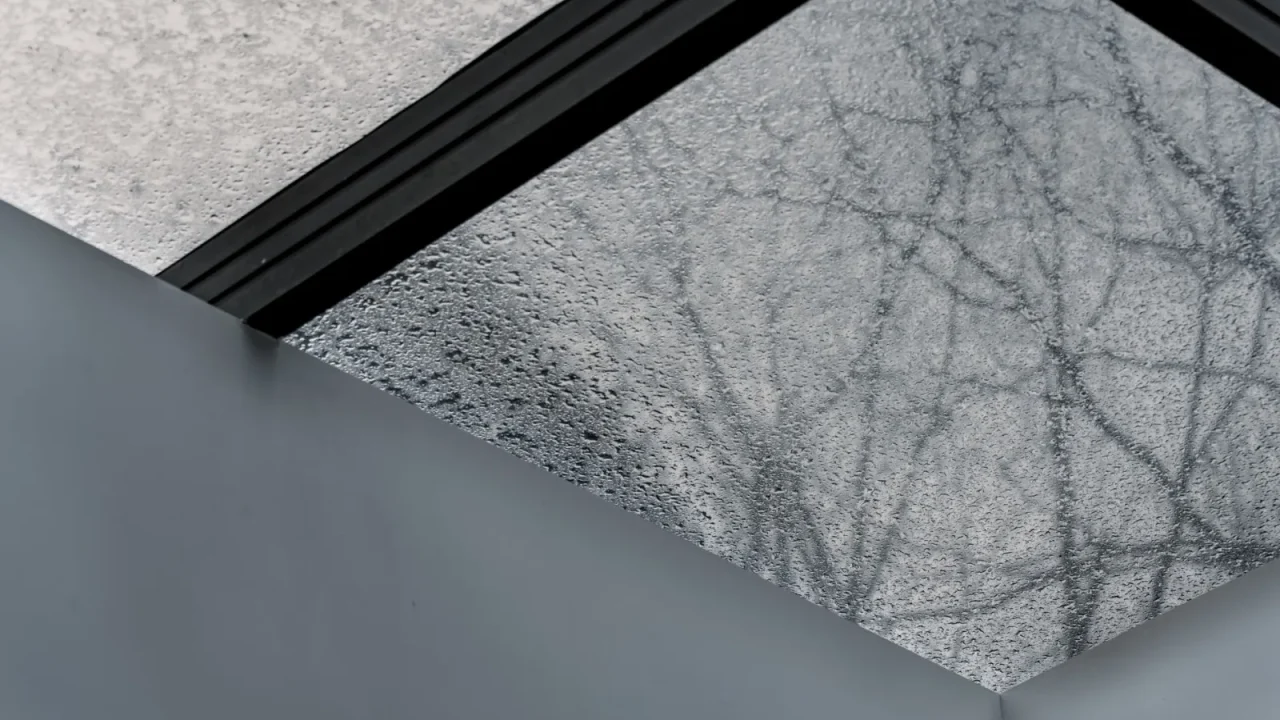
Warm air holds more water vapor than cold air. When the warm, humidified air inside your home touches a cold pane of glass, it cools fast and can no longer hold that moisture. The water condenses right there on the window.
That dew point is the whole story. A single-pane window on a 10 degree night might have an inside surface temperature near 30 degrees. Push your indoor humidity past what that surface can tolerate, and you get water, then frost, then eventually mold or rotting wood trim.
Your coldest window is a free humidity sensor. If it fogs up, the air is telling you to back off before the damage starts.
Better windows buy you headroom. A modern double-pane, low-E window keeps the inside glass much warmer, so it tolerates higher indoor humidity without fogging. This is why an older house with drafty single panes has to run drier than a well-insulated new build.
| Outdoor temperature | Safe indoor humidity (approx.) |
|---|---|
| 20 to 40°F | Up to 40 percent |
| 10 to 20°F | Around 35 percent |
| 0 to 10°F | Around 30 percent |
| Below 0°F | 25 percent or lower |
Treat these as starting points, not gospel. Window quality, air movement near the glass, and how much cooking or showering you do all shift the real number. Watch the glass and adjust.
How to raise winter humidity without causing damage
Here is the practical part. Adding moisture is easy. Adding it without wrecking your window frames takes a little discipline.
Before you start
Buy a cheap digital hygrometer, ideally two. Put one in your main living area and one in the coldest bedroom. A basic model runs $10 to $20, and it turns guesswork into a real reading you can act on.
Check your existing readings for a few days first. Many homes are drier than expected in winter, often sitting at 20 to 25 percent, which is where dry skin, static shocks, and sinus irritation start showing up.
Step 1: Seal the easy leaks first
Before you add a drop of moisture, plug the drafts. Cold air leaking in around windows and doors chills nearby surfaces and makes condensation more likely, while also carrying your humidity right back outside.
Weatherstripping and a bead of caulk are cheap. The US Department of Energy has solid, no-nonsense guidance on weatherizing and air sealing if you want a starting checklist.
Step 2: Choose the right humidifier size
Match the unit to the space. A small tabletop humidifier is fine for a single bedroom. A whole-house unit tied into your furnace covers the entire home but needs correct settings to avoid overshooting.
| Humidifier type | Best use | Typical price |
|---|---|---|
| Tabletop / evaporative | One room, targeted comfort | $30 to $80 |
| Console / floor unit | Large room or open floor plan | $80 to $200 |
| Whole-house (furnace) | Entire home, even coverage | $150 to $500 installed |
Step 3: Raise the level slowly and watch the glass
Set your humidifier low and bring it up over a few days, not all at once. Every morning, before the sun hits, check your coldest windows.
Dry glass means you have room to go up a notch. Foggy corners mean you have gone too far and should dial back. This morning check takes ten seconds and prevents most winter moisture damage.
Condensation on the inside of your windows is not a window problem. It is a signal your indoor humidity is too high for the current outdoor temperature. Lower the humidifier before you blame the glass.
Step 4: Use the moisture you already make
Cooking, showering, and even houseplants add real humidity for free. In a dry house, that is a gift, so do not vent it all away out of habit.
The trick is balance. Run the bathroom fan long enough to clear the mirror, then let the residual moisture help the house. Keep interior doors open so damp air spreads instead of pooling against one cold wall.
Common winter humidity mistakes

A mistake I see constantly is treating the whole house as one number. The living room can read a comfortable 38 percent while the north-facing bedroom window is dripping, because that room runs colder.
- Set the humidistat once in November and never adjust it as the weather swings
- Running a humidifier full blast with old single-pane windows
- Ignoring the basement, where cold surfaces collect the most condensation
- Closing every vent and door, then wondering why one room fogs up
- Blaming static shocks and cracked lips on the furnace instead of low humidity
The fix for all of these is the same habit: read your hygrometers, watch your coldest surfaces, and move the humidity dial with the outdoor temperature. It becomes second nature by January.
Keep a small hygrometer on the windowsill of your coldest room. It is the first place trouble shows up, so it is the best place to measure. When that room stays clear and reads 30 to 35 percent, the rest of the house is almost always fine.
Putting it into practice this week
Start simple. Place a hygrometer or two, note where you land, and seal the obvious drafts before touching a humidifier. Dry air is easier to fix than water damage, so err on the low side.
Then bring the moisture up slowly, checking your coldest window each morning. If you want the broader picture across seasons, the topic of ideal indoor humidity year round ties these winter targets to the summer numbers, and the guidance on the best bedroom humidity for sleep is worth a look if dry air is keeping you up.
Set your target with the thermometer, not your comfort cravings, and your windows, your trim, and your sinuses will all thank you before spring.
Frequently asked questions
What is the ideal indoor humidity in winter?
Aim for 30 to 40 percent relative humidity during cold months. The exact target depends on how cold it is outside: closer to 40 percent when temperatures hover near freezing, and down toward 30 percent or lower during a hard freeze. The goal is comfort without condensation forming on your cold window glass.
Why is my winter humidity target lower than in summer?
Cold surfaces are the reason. Warm indoor air holds moisture until it hits a cold window, where it cools and condenses into water. A lower winter target keeps that moisture in the air instead of on your glass, frames, and walls, which prevents mold and rot around the coldest parts of your home.
Is condensation on my windows dangerous?
Occasional light fog is a warning, not a disaster, but persistent condensation leads to mold, peeling paint, and rotting wood over time. Treat foggy windows as a signal that your indoor humidity is too high for the current outdoor temperature. Lower your humidifier setting and improve air circulation near the glass.
How do I add humidity in winter without damaging my home?
Seal drafts first, then raise your humidifier slowly over several days while checking your coldest windows each morning. If the glass stays dry, you can go a little higher. If it fogs, back off. A $10 to $20 hygrometer in the coldest room gives you the reading you need to stay safe.
What humidity level causes static electricity and dry skin?
Static shocks, cracked lips, and itchy skin usually show up when indoor humidity drops below about 30 percent, and they get worse near 20 percent. Many homes sit at 20 to 25 percent in winter without the owner realizing it. Nudging the level up to 30 to 35 percent usually calms these symptoms without risking condensation.

Dharm Solanki
Dharm Solanki spends a lot of time thinking about the air inside people's homes, usually when no one else is. He writes about humidity, ventilation, and dehumidifiers, along with the small fixes that turn a stuffy or damp room into one that feels comfortable again. He would rather explain why a recommendation works than just point at a product, so his guides tend to answer the question you were about to ask next. And if something looks great on paper but struggles in a normal house, he says so.