
On this page
- Why winter air gets so dry in the first place
- 1. Dry your laundry on a rack indoors
- 2. Simmer water on the stovetop
- 3. Let the bathroom stay steamy after a shower
- 4. Cook with the lid off more often
- 5. Bring in houseplants and group them together
- 6. Put out bowls of water where the heat is
- 7. Uncover the fish tank (or add a water feature)
- 8. Seal the leaks pulling your moisture out
- Measure so you are not guessing
- A simple weekly rhythm that works
The first sign is usually a tiny blue spark when you touch a doorknob. Then the chapped lips, the itchy shins, the houseplant that suddenly looks like it gave up. By January, a lot of homes drop below 25 percent relative humidity, which is drier than some deserts.
Most people assume the fix is a humidifier. It is not the only one. I spent years walking into homes where a few free habits would have solved half the problem before anyone spent a dollar.
Here are the dry air fixes without a humidifier that actually move the needle, ranked roughly from easiest to most involved.
In winter, aim for 30-40 percent relative humidity. Go higher and you risk condensation on cold windows. Go much lower and skin, sinuses, and static all get worse.
Why winter air gets so dry in the first place
Cold air simply cannot hold much water. When that frigid outdoor air leaks into your house and your furnace heats it up, the relative humidity collapses.
Say it is 30 degrees outside at 60 percent humidity. Warm that same air to 70 degrees indoors and you are suddenly sitting near 12 percent. Your furnace is not drying the air on purpose. Physics is doing it for free.
That is why every fix below works by adding water vapor back or by slowing how fast the dry outdoor air replaces your indoor air.
1. Dry your laundry on a rack indoors
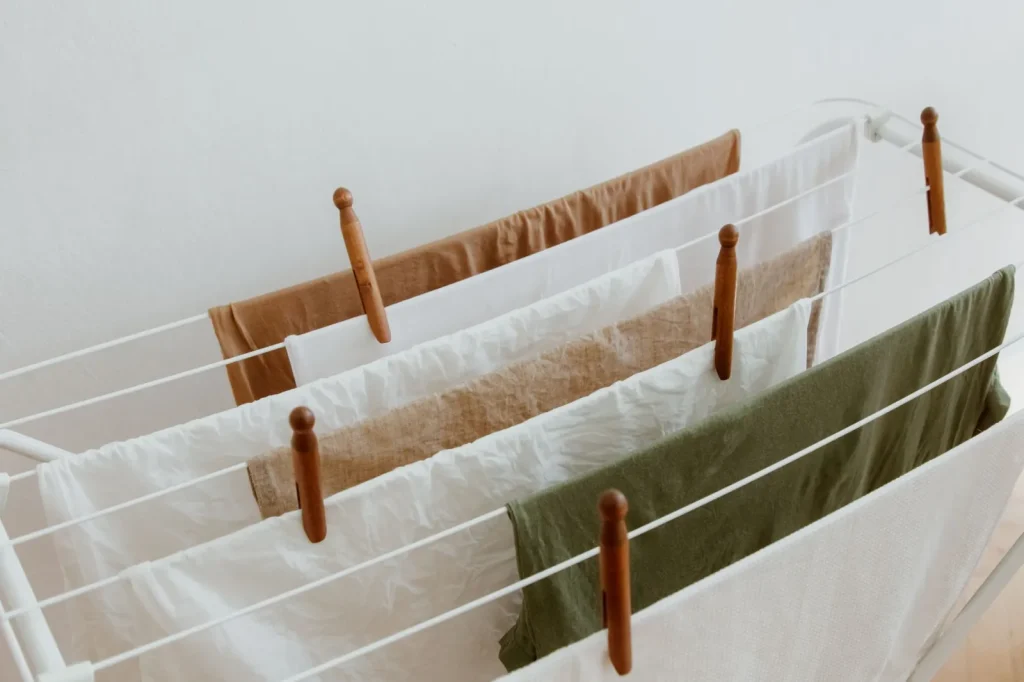
This is the single most effective no-gadget fix I know. A single load of wet laundry holds roughly a half gallon to a full gallon of water, and nearly all of it evaporates into your rooms as it dries.
Set up a folding rack in your living space instead of running the dryer. You get free humidity and you skip the energy cost of the dryer at the same time.
Place the rack near a heat source or in a room you spend time in, not a closed spare bedroom. You want that moisture where you actually breathe it.
One caution: do not overdo it in a small, poorly ventilated apartment. If you already see condensation on the windows, back off, because too much indoor drying can push you toward mold.
2. Simmer water on the stovetop
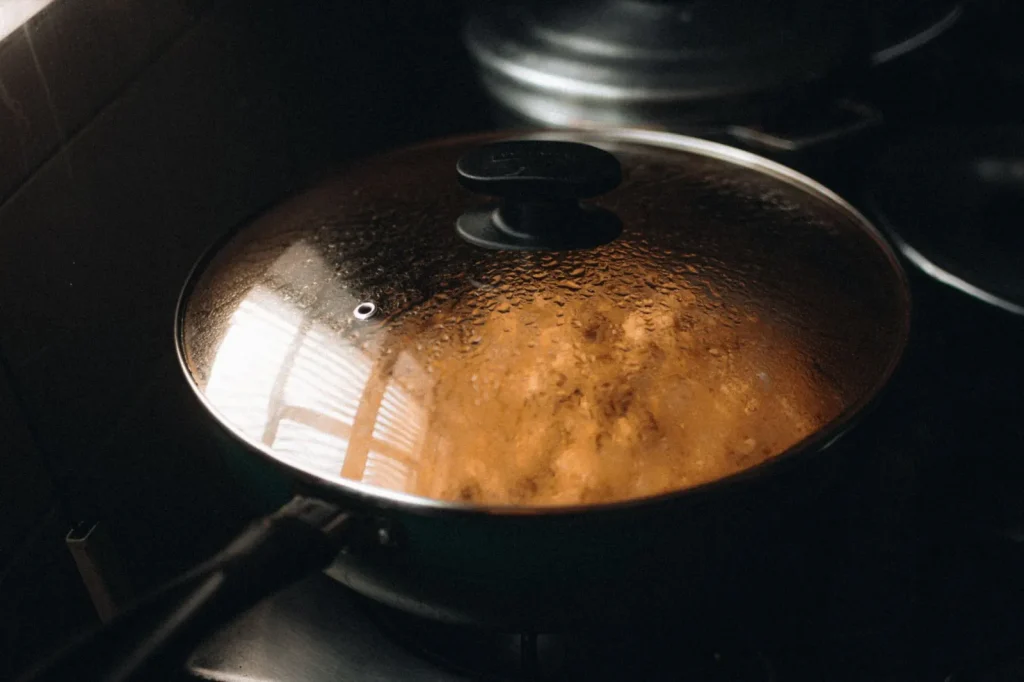
A pot of water kept at a low simmer is basically a humidifier that costs pennies. Toss in cinnamon sticks, citrus peels, or a few cloves and your whole kitchen smells like a holiday.
Keep the lid off and the heat low. You are not trying to boil it away in ten minutes, you are aiming for a slow, steady release of vapor over an hour or two.
A simmering pot does two jobs at once: it raises the humidity in the room and it makes the air smell like something you want to breathe.
Never leave a simmering pot unattended, and check the water level so it does not run dry and scorch. This is a great one for the evenings when you are home anyway.
3. Let the bathroom stay steamy after a shower
Every hot shower dumps a surprising amount of moisture into the air. Most of us then immediately run the exhaust fan and pull all of it straight outside.
In winter, do the opposite. Turn the fan off, crack the bathroom door, and let that steam drift into the hallway and nearby rooms.
This trick assumes your bathroom dries out afterward. If you see water beading on the walls or ceiling for hours, run the fan for a few minutes first, then open the door. Lingering surface moisture is how mold gets started.
4. Cook with the lid off more often
Boiling pasta, steaming vegetables, simmering a soup: all of it releases water vapor. If your goal is humidity, leave the lid off or ajar and let the steam escape into the room.
Same logic applies to your range hood. If your hood vents outdoors and you are trying to keep moisture in, run it on low or leave it off during gentle cooking. Save the full blast for when you are searing and smoking up the place.
5. Bring in houseplants and group them together
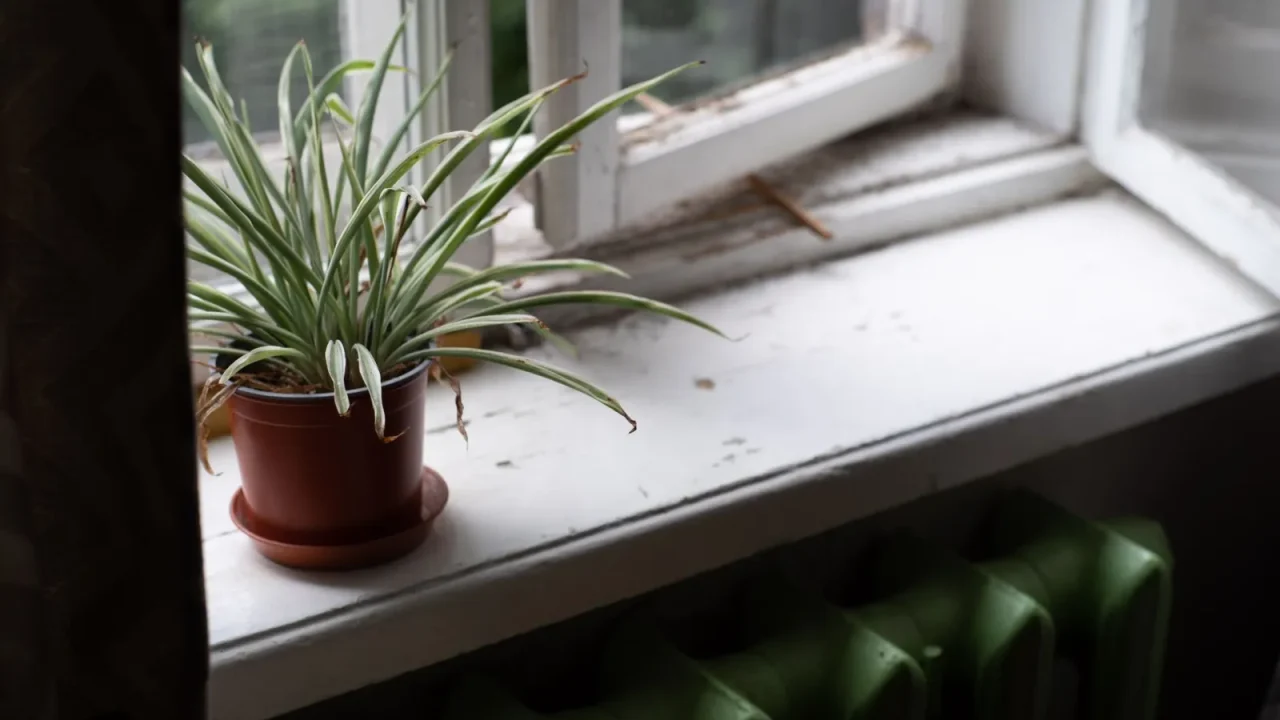
Plants release moisture through their leaves in a process called transpiration. A single plant will not transform a room, but a cluster of leafy ones in a sunny corner genuinely bumps up local humidity.
Good, thirsty choices include peace lily, Boston fern, spider plant, and pothos. Group several together and the little pocket of air around them stays noticeably more comfortable.
Set your pots on trays of pebbles with a shallow layer of water underneath. As that water evaporates, it adds another slow trickle of humidity, and it keeps roots from sitting in soggy soil.
6. Put out bowls of water where the heat is
The low-tech classic. A wide, shallow bowl of water on top of a radiator or near a heat register will slowly evaporate all day.
Surface area is what matters, so a wide dish beats a tall glass. Metal or ceramic containers near a heat source evaporate fastest. Refill them every day or two and swap the water so it stays fresh.
7. Uncover the fish tank (or add a water feature)
If you already own an aquarium, leaving the lid partly open turns it into a quiet, constant source of evaporation. A small tabletop fountain does the same thing.
It is not a huge amount, but it runs 24 hours a day without you lifting a finger, and that steady drip adds up over a long dry month.
8. Seal the leaks pulling your moisture out
This one is different. Instead of adding water, you stop the dry outside air from constantly flushing your humid indoor air away.
Weatherstrip doors, caulk gaps around windows, and cover an unused fireplace flue. The Department of Energy’s Energy Saver pages walk through cheap air-sealing projects, and the same work that keeps heat in also keeps humidity from escaping.
A drafty house is like trying to fill a bathtub with the drain open. Plug the drain first.
Measure so you are not guessing
You cannot manage what you cannot see. A digital hygrometer runs about $10 to $15 and takes the guesswork out of all of this.
Put one in your main living area and one in the bedroom. If you are curious how these numbers connect to comfort and health, our pieces on Ideal Indoor Humidity in Winter and Best Bedroom Humidity for Sleep go deeper. The EPA’s indoor air quality resources are a solid, unbiased reference too.
More is not better. If windows fog up and stay wet, or you smell must in a closet, you have overshot. Persistent condensation feeds mold and dust mites, which is why the 30-40 percent target has an upper limit, not just a floor.
A simple weekly rhythm that works
You do not have to do all eight things. Pick two or three that fit your day and stack them.
| Fix | Effort | Best for |
|---|---|---|
| Air-drying laundry | Low | Biggest single moisture boost |
| Stovetop simmer | Low | Evenings at home |
| Skip the bathroom fan | None | Instant, after every shower |
| Houseplants | Medium | Steady, long-term |
| Air sealing | Medium | Keeping what you add |
My own winter routine is boring and it works: laundry on a rack twice a week, a simmer pot on cold evenings, and the bathroom door left open after showers. That combination pulled a client’s guest room from 22 percent up to a comfortable 35 percent without a single machine.
Your next step tonight
Grab a cheap hygrometer, note where your rooms actually sit, then start with the laundry rack and the open bathroom door. Give it a week, check the number again, and add a simmer pot on the driest days. Small habits, real moisture, no gadget required.
Frequently asked questions
How much can these no-humidifier methods actually raise indoor humidity?
Realistically, stacking two or three habits can lift a room by 5 to 15 percentage points, for example from the low 20s into the mid 30s. Air-drying laundry is the heavy lifter because a single load releases close to a gallon of water. Individual tricks like a bowl on a radiator are small on their own but add up when combined over a full day.
Is drying laundry indoors safe, or will it cause mold?
It is safe in most homes with normal airflow. The risk shows up in small, tightly sealed spaces where the added moisture has nowhere to go. Watch your windows: if they stay fogged or you see condensation collecting, that is your signal to dry fewer loads indoors or crack a window while the laundry dries.
What humidity level should I aim for in winter?
Target 30 to 40 percent relative humidity. Below 30 percent, you get dry skin, static, and irritated sinuses. Above 40 to 50 percent in cold weather, moisture starts condensing on chilly window glass and inside walls, which invites mold. A $12 hygrometer takes the guesswork out and helps you stay in that safe band.
Do houseplants really add meaningful moisture?
One plant does very little, but a group does more than people expect. Leaves release water through transpiration all day. Cluster several thirsty species like ferns, peace lilies, and pothos in one area, set them on water-filled pebble trays, and you create a genuinely more humid pocket of air in that corner of the room.
Why does my house feel dry even though it did not rain outside for weeks?
Outdoor precipitation is not the driver. Cold air holds little water, and when your furnace heats that leaked-in air, the relative humidity drops sharply. So a crisp, clear winter day often produces the driest indoor air of all. That is why sealing drafts and adding moisture indoors matters more than the weather report.
Is a simmering pot better than a bowl of water on the radiator?
The simmer pot adds moisture faster because heat speeds evaporation, so it is great for a quick evening boost while you are home to watch it. The radiator bowl is slower but completely hands-off and safe to leave all day. Many people use both: the bowl for steady background humidity and the pot for the driest evenings.

Dharm Solanki
Dharm Solanki spends a lot of time thinking about the air inside people's homes, usually when no one else is. He writes about humidity, ventilation, and dehumidifiers, along with the small fixes that turn a stuffy or damp room into one that feels comfortable again. He would rather explain why a recommendation works than just point at a product, so his guides tend to answer the question you were about to ask next. And if something looks great on paper but struggles in a normal house, he says so.