

On this page
The first hygrometer I ever trusted turned out to be off by nine percent. I found out by accident, sitting two identical units side by side on a shelf, watching one read 42 and the other read 51. They could not both be right, and it turned out neither was.
That is the quiet problem with these little meters. They rarely tell you they are wrong. They just drift, slowly, and you keep making decisions based on a number that stopped being true months ago.
The good news is you can check one at home in a few hours with salt, water, and a plastic bag. Here is exactly how.
Why calibration matters before you trust any number
A hygrometer that reads five or six percent high can send you chasing problems you do not have. You run a dehumidifier that was not needed, or you skip a humidifier your dry winter air actually called for.
This is separate from knowing how to read the display. Calibration is about whether the number itself is honest. Once you know your meter’s true error, every reading after that becomes useful, even the wrong ones, because you know the correction.
A properly saturated salt solution holds the air around it at 75 percent relative humidity at normal room temperature. That fixed, repeatable number is what makes the salt test work.
Before you start: what you need

Nothing here is exotic. You almost certainly have most of it in the kitchen already.
- About half a cup of plain table salt (not iodized-free, just regular works)
- A small open cup, bottle cap, or shot glass
- A large zip-top bag or a sealable plastic container big enough to hold the meter and the cup
- Your hygrometer
- A room that stays a steady temperature for the next several hours
Skip the fancy calibration kits with the pre-measured salt packets unless you calibrate for a living. They do the same job as a spoonful of table salt for ten times the price.
The salt test, step by step
Set aside about six hours. Most of that is waiting, not working.
1. Make the salt slurry
Put the salt in your cup and add water a few drops at a time. You want it wet and slushy, like packed snow, not soupy. If you see standing water pooling on top, add more salt.
The goal is a paste where salt crystals are still visible and undissolved. That undissolved salt is what keeps the humidity pinned at 75 percent.
2. Seal them together
Place the cup and the hygrometer inside the bag or container, making sure they do not touch. Seal it as airtight as you can. You are creating a tiny sealed climate, and any leak lets the room air ruin it.
Do not let the salt slurry splash onto the meter. Salt water on the sensor can corrode it and permanently throw off readings. Keep the cup upright and stable.
3. Wait, and hold the temperature steady
Leave the sealed bag alone for at least six hours. Overnight is even better. Put it somewhere the temperature will not swing, like an interior closet, not a windowsill or near a heat vent.
Temperature matters because the 75 percent figure holds true around 68 to 77 degrees Fahrenheit. A drafty spot that drops to 55 overnight will skew your result.
4. Read it fast
When time is up, read the display through the bag if you can. If you have to open it, glance at the number immediately, because room air starts changing it within seconds.
Write down what it says. That number is everything.
Reading your result and finding the offset
Here is the simple math. A perfectly accurate hygrometer reads 75 percent at the end of the salt test. Whatever yours reads, subtract 75, and that gap is your offset.
If it reads 72, it runs three percent low. If it reads 79, it runs four percent high. That correction applies to every future reading.
| Salt test reading | What it means | What to do |
|---|---|---|
| 73 to 77 | Within normal tolerance | Trust it as is |
| 70 to 72 or 78 to 80 | Off by 3 to 5 percent | Adjust dial or note the offset |
| Below 70 or above 80 | Off by more than 5 percent | Adjust if possible, or replace |
A gap of two or three percent is normal and honestly fine for home use. Do not lose sleep chasing perfection on a fifteen dollar meter.
If your meter has an adjustment
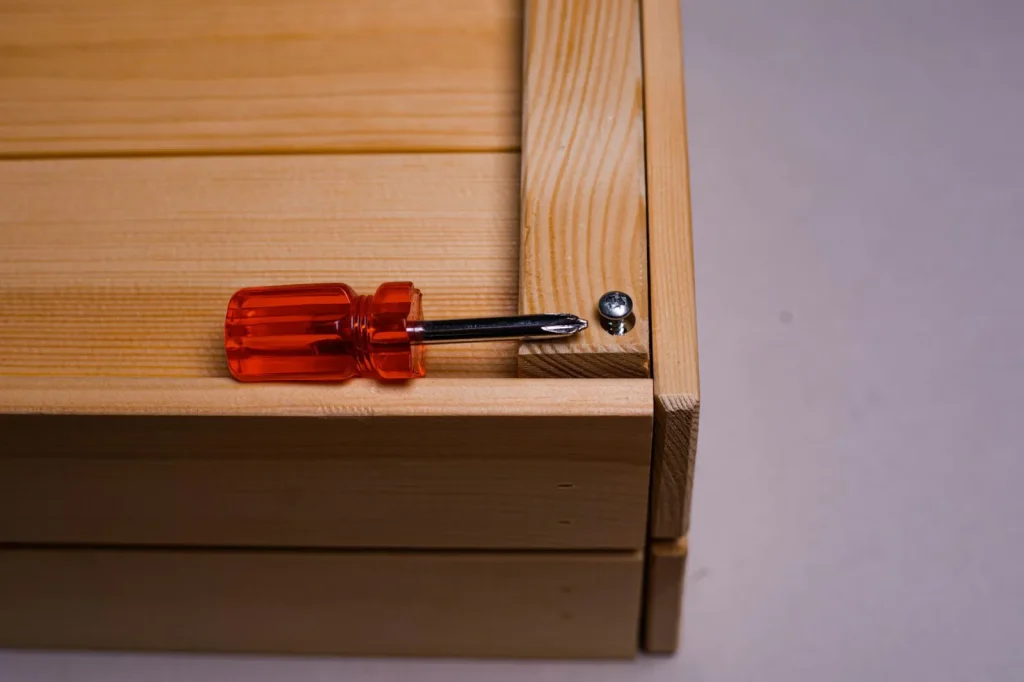
Some analog hygrometers have a small recessed screw on the back. With the unit still reading its salt-test number, gently turn that screw until the needle points to 75. A tiny flathead or even a key works.
Certain digital models have a calibration or “cal” button you hold to reset the reference. Check the manual, because the button sequence varies by brand and there is no universal method.
If your meter has no adjustment
Most cheap digital units cannot be adjusted at all. That is not a dealbreaker. Just tape a small note to the back: “reads 4 low, add 4.” Then do that math in your head every time, or mentally shift your target range instead.
An uncalibratable meter is not useless. A meter you have never checked is the real gamble.
How often to recheck
You do not need to do this monthly. For most homes, checking once or twice a year keeps you honest.
I run the test when I swap the batteries, so it piggybacks on something I already do. Beyond that schedule, retest after a few specific events.
- After a battery dies completely or the unit sits unpowered for weeks
- After the meter takes a hard drop onto a hard floor
- When two meters in the same room disagree by more than a few percent
- After a season change if the readings suddenly stop matching how the air feels
That last one is worth trusting. If your skin, your sinuses, and your wood floors all say the air is dry but the meter insists you are at 50 percent, believe your body and retest the meter.
Calibrate two meters at once in the same bag. If they land within a point or two of each other and near 75, you can trust both, and you get a spare reference for free.
Putting it to use
Once you know your meter reads true, the numbers you see start meaning something. That matters most when you are trying to hit a target range, whether that is comfortable winter humidity or the right setting for a baby nursery.
Run the salt test this weekend. Mark your calendar for six months out. If you want to go deeper on what the corrected numbers should actually be, that belongs to a separate conversation about ideal indoor humidity, and it is a lot more useful once you know your meter is telling the truth.
For background on why indoor humidity is worth measuring carefully in the first place, the EPA’s indoor air quality pages lay out the health side well. And the Department of Energy’s Energy Saver guide covers how humidity ties into heating and cooling costs.
Frequently asked questions
Why does the salt test produce exactly 75 percent humidity?
A saturated salt solution, meaning water with more salt than it can dissolve, naturally holds the air right above it at a fixed relative humidity. For common table salt at room temperature, that value settles near 75 percent. Because it is a physical property of the salt and water, it repeats reliably every time, which is what makes it a trustworthy reference point.
Can I use any kind of salt for the test?
Plain table salt works fine, and it is what most people have. Avoid salts with heavy additives or large flake sizes like some specialty cooking salts, since they can behave slightly differently. Regular fine-grain table salt gives you a clean, consistent 75 percent result without any special preparation.
My hygrometer read 78 after the test. Is it broken?
No, it is just running about three percent high, which is common and well within normal tolerance for a home meter. You can either adjust it if it has a calibration screw or button, or simply subtract three from every future reading. A gap that small will not meaningfully change any decision you make about your indoor air.
How long does the salt test really need to run?
Give it at least six hours, and overnight is better. The sealed air inside the bag needs time to reach a stable balance with the salt slurry, and rushing it gives a false reading. Keep the whole setup at a steady room temperature during that window, since temperature swings will pull the result away from the true 75 percent mark.
What if my digital hygrometer has no way to adjust it?
That is normal for inexpensive models, and it does not make the meter useless. Once you know its error from the salt test, write the correction on a piece of tape stuck to the back, such as add four percent. Then apply that number mentally each time you read it, or shift your target humidity range by the same amount.

Dharm Solanki
Dharm Solanki spends a lot of time thinking about the air inside people's homes, usually when no one else is. He writes about humidity, ventilation, and dehumidifiers, along with the small fixes that turn a stuffy or damp room into one that feels comfortable again. He would rather explain why a recommendation works than just point at a product, so his guides tend to answer the question you were about to ask next. And if something looks great on paper but struggles in a normal house, he says so.