
On this page
Walk up to almost any window installed in the last twenty years and look at the top of the frame. You will often spot a slim plastic strip with a little flap or a slider on it. Most people assume it is a decorative cap or something structural. It is neither.
That strip is a trickle vent, and it is quietly doing one of the most underrated jobs in your house: letting a small, steady amount of fresh air in without you lifting a finger.
I spent years on the tools before I moved to writing, and I lost count of how many “why does my window sweat every morning” calls ended with me pointing at a trickle vent that had been slid shut, painted over, or stuffed with a rag by a previous owner who thought it was a draft to be fixed.
What a trickle vent actually is
A trickle vent is a small, controllable opening built into the frame of a window or an exterior door. It creates a deliberate gap between inside and outside, sized to let air seep through slowly rather than gust.
Think of it as a permanent pinhole in the building envelope. It is there on purpose. Older houses leaked air through gaps around sashes, floorboards, and masonry, so fresh air arrived whether you wanted it or not. New windows and doors seal tightly, which is great for your heating bill but leaves the air with nowhere to move.
The vent gives that stale, moist indoor air a controlled path out, and pulls drier outdoor air in to replace it. It runs day and night, in the background, at a trickle. Hence the name.
Trickle vents are for background air exchange, the slow steady kind that keeps a home from feeling stuffy. They are not for clearing a burst of moisture or odor. That is a fan’s job.
The parts you can see
Most trickle vents have two pieces. Outside there is a hood or grille that keeps rain and insects out while still letting air pass. Inside there is a slider, flap, or damper you can open and close by hand.
Open it, and air moves. Close it, and the gap seals. That simple control is the whole point, and it is also where things go wrong, because a vent that is shut does absolutely nothing.
How they move air without a fan
Trickle vents are passive. There is no motor, no electricity, no ductwork. They rely on two natural forces to push air through the slot.
The first is wind pressure. When wind hits one side of your house, it raises the air pressure there, and air is nudged through any opening toward the lower-pressure side. The second is the stack effect: warm indoor air rises and escapes near the top of the house, which draws replacement air in lower down.
Because these forces vary with weather, the airflow through a trickle vent is never a fixed number. On a still, mild day it might be barely a whisper. On a blustery cold night it can be surprisingly brisk, which is exactly when people complain about drafts.
A trickle vent trades a tiny, constant sip of fresh air for the slow, invisible buildup of moisture and stale air that a sealed room collects all on its own.
Where trickle vents genuinely help
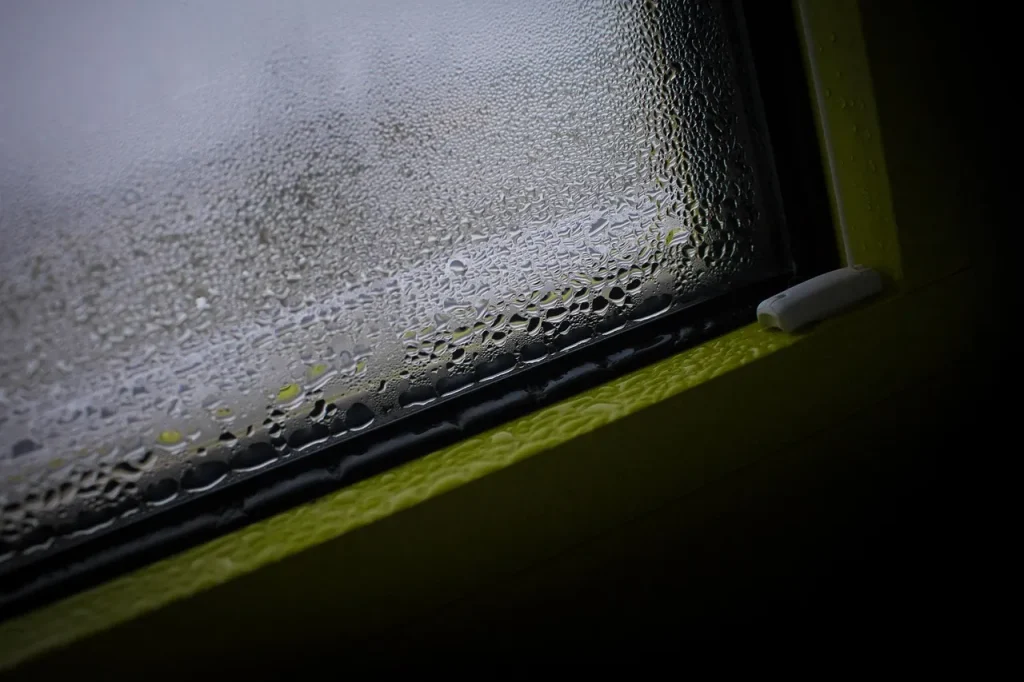
The clearest win is condensation control. In a tightly sealed bedroom, two sleeping adults can release a pint or more of water vapor overnight through breathing alone. With no way out, that moisture lands on the coldest surface in the room, usually the window glass, and you wake to fogged panes and damp sills.
A cracked-open trickle vent gives that vapor an escape route, and the morning fog often disappears. The EPA’s indoor air quality pages make the same basic case: diluting indoor air with a steady supply of outdoor air is one of the simplest ways to keep pollutants and humidity from concentrating.
- Bedrooms where windows fog up on cold mornings
- Living rooms in airtight new builds that feel stuffy by evening
- Spare rooms or offices that stay shut for long stretches
- Homes without any mechanical ventilation running full time
They also shine as a companion to other systems. If you already run an exhaust fan in the bathroom, that fan needs makeup air from somewhere. Trickle vents in nearby rooms give it a clean supply path instead of pulling air backward down a flue or through gaps you cannot control.
Where they fall short
Here is the honest part. A trickle vent moves a small volume of air, and small is the operative word. It cannot handle a moisture spike or a pollution surge.
Run a hot shower and the bathroom fills with steam in minutes. A trickle vent will clear that at a snail’s pace, long after the mirror has dripped dry and mold has had its window of opportunity. That is why bathrooms need a real exhaust fan sized by CFM, not a passive slot.
Do not rely on a trickle vent to vent a bathroom or a kitchen. Cooking and showering release moisture and pollutants far faster than a passive slot can remove them. Those rooms need powered exhaust that pushes air directly outside.
Trickle vents also give you no filtration and no heat recovery. The outdoor air comes in raw, at whatever temperature and pollen count it happens to be. On a January night, that incoming air is cold, and near a busy road it carries traffic dust straight into the room.
If clean, tempered, filtered air is your goal, you are looking at a different category of equipment. That is the territory of Balanced Ventilation Explained Simply, and of heat-recovery gear covered in What Is an HRV and How It Works. A trickle vent is the humble cousin, not a substitute.
Getting the most out of the ones you have
Most homes with modern windows already have trickle vents. The trick is using them, not buying more. Start by finding yours and confirming they open.
| Situation | Vent setting | Why |
|---|---|---|
| Cold night, condensation on glass | Open partway | Lets night moisture escape before it pools |
| Very windy, feeling a draft | Reduce, do not fully close | Keeps some airflow without the whistle |
| Mild day, windows open anyway | Any setting | Open windows already handle the exchange |
| Room shut up for days | Open | Prevents stale, stagnant buildup |
A mistake I see all the time is homeowners closing every vent for winter to save on heat, then blaming the windows when black mold creeps into the corners by February. The heat savings from a closed trickle vent are tiny. The moisture damage from a sealed room is not.
Once a year, wipe the outdoor grille and check that the indoor slider moves freely. Dust, paint, and old insect nests are the usual reasons a vent stops working, and a two-minute clean often fixes a “broken” one.
Are trickle vents worth it for your home
If you own a tightly sealed modern house with no mechanical ventilation, trickle vents are close to free background insurance against condensation and stuffiness. Open them, keep them clear, and let them work.
If your real problem is a steamy bathroom, a smoky kitchen, or a whole house that needs consistent fresh air, treat trickle vents as one small piece of a bigger plan rather than the answer. Pair them with the right exhaust fans, and if you want filtered, tempered air, look toward a proper whole-house system.
The next practical step costs you nothing: go find every trickle vent in your house tonight, slide the ones in your bedrooms open, and see if that morning fog on the glass shrinks over the next week. It usually does.
Frequently asked questions
Do trickle vents make a room cold?
They can add a slight chill on cold, windy days because raw outdoor air comes in unheated. The effect is small when the vent is set correctly, and the tradeoff is worth it in most rooms. If a vent feels drafty, reduce the opening rather than closing it fully, so you keep some airflow while cutting the cold stream.
Should I close trickle vents in winter to save on heating?
No. The heat you save by sealing a trickle vent is minor, but the moisture that then builds up can cause condensation, damp, and mold. Those problems cost far more to fix than any heating savings. Keep vents at least partly open through winter, especially in bedrooms where overnight humidity is highest.
Can a trickle vent replace a bathroom exhaust fan?
No. A trickle vent moves too little air to clear the fast burst of steam a shower produces. Bathrooms need a powered exhaust fan sized by CFM that pushes moist air straight outside. A trickle vent handles slow background air exchange, not the sudden moisture spikes from bathing or cooking.
How do I know if my windows already have trickle vents?
Look along the top of the window frame, inside and out. Inside you may see a slim slider, flap, or grille a few inches wide. Outside there is usually a matching hood or grille. If you find one, check that the slider moves. Many homes have vents that have been painted shut or left closed for years.
Do trickle vents let in noise, dust, or bugs?
They let in a little of each, since they are an intentional opening to outside. Most designs include a mesh or baffle to block insects and cut noise, but they are not sealed shut, so a busy road or heavy pollen will get through more than with a closed window. A whole-house filtered system is the better choice if that matters to you.

Dharm Solanki
Dharm Solanki spends a lot of time thinking about the air inside people's homes, usually when no one else is. He writes about humidity, ventilation, and dehumidifiers, along with the small fixes that turn a stuffy or damp room into one that feels comfortable again. He would rather explain why a recommendation works than just point at a product, so his guides tend to answer the question you were about to ask next. And if something looks great on paper but struggles in a normal house, he says so.