On this page
The first callout I ever took as a young technician was a young couple convinced they had a leak. Water was beading down the wall behind their headboard every morning, dark patches spreading across the plaster. No pipe ran anywhere near it.
The wall was an outside corner, north-facing, with a bed pushed flat against it. That corner was cold, the air behind the bed was still, and their breathing overnight did the rest. Classic surface condensation, no leak in sight.
Condensation on interior walls is one of the most misdiagnosed damp problems in a home. People tear off skirting boards looking for rising damp when the real culprit is a cold surface and too much moisture in the air. Here is how to tell the difference and fix it for good.
What is actually happening on that wall
Warm air holds more water vapor than cold air. When warm, humid room air touches a wall surface that has dropped below the dew point, the vapor turns back into liquid water right there on the plaster.
That cold surface is almost always the giveaway. Insulated walls stay warmer, so they rarely sweat. A poorly insulated external wall, a thermal bridge at a concrete lintel, or a shaded corner can sit several degrees colder than the rest of the room.
If a wall surface is more than about 5 degrees F colder than the room air, and your indoor humidity is above 55%, expect condensation on that wall in cold weather.
This is different from window condensation, which shows up on glass because glass is the coldest surface in the room. It is also different from rising damp, which climbs up from the ground through masonry. Same wet wall, three very different causes.
Step 1: Confirm it is condensation, not a leak or rising damp

Before you buy anything, work out what you are dealing with. The fixes are almost opposites, so a wrong guess wastes money.
| Clue | Surface condensation | Rising or penetrating damp |
|---|---|---|
| Where it appears | Cold corners, behind furniture, high on walls, ceilings | Low on walls near the floor, or a fixed patch after rain |
| When it is worst | Cold mornings, winter, after showers or cooking | Steady, or worse after heavy rain |
| Look of it | Fine beads or a wet film you can wipe off | Staining, tide marks, salts, crumbling plaster |
| Foil test result | Moisture forms on the room-side of taped foil | Moisture forms behind the foil, against the wall |
The foil test is the cheapest diagnostic you own. Tape a square of kitchen foil tightly to the wall, sealed on all four edges, and leave it 3-4 days.
Moisture on the front (room side) means humid air is condensing on a cold surface. Moisture on the back means water is coming through the wall itself. That single test settles most arguments.
Step 2: Bring the room humidity down
Surface condensation needs two things: a cold spot and moist air. You can attack the moist air today.
Aim for a relative humidity of 40-50% in living areas. The U.S. Environmental Protection Agency recommends keeping indoor humidity below 60% to control moisture problems, and lower is better in winter. A cheap hygrometer for $10-15 tells you where you stand.
Everyday living pumps out a surprising amount of water. Cooking, showering, drying laundry indoors, and even breathing can add 2-4 gallons of moisture to a home’s air per day. Vent it at the source with extractor fans and you remove the fuel for condensation.
A right-sized dehumidifier is the fastest way to pull that number down. For a damp bedroom or living room, a 20-30 pint unit usually handles it. If you are unsure of capacity, our guide on how to size a dehumidifier by pints walks through the math by room size and dampness level.
Run it, watch the hygrometer, and you should see the beading ease within a few days. That does not fix the cold wall, but it stops the daily wetting while you plan the real repair.
Step 3: Warm up the cold spot

Now for the wall itself. A surface that never drops below the dew point cannot condense water, so the durable fix is to keep it warmer.
Improve airflow first
This is the free step, and it solves more cases than people expect. Pull furniture 2-4 inches off external walls so air can circulate behind it. That couple with the wet headboard? Moving the bed 3 inches and cracking the bedroom door at night nearly ended it.
- Leave a gap behind wardrobes, sofas, and beds on outside walls
- Do not overfill cupboards built against external walls
- Keep interior doors open enough for air to move between rooms
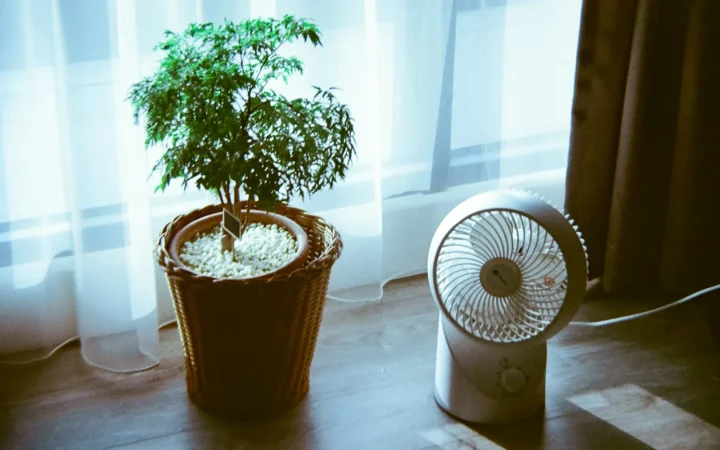
- Run a small fan in stubborn dead corners during cold snaps
Add insulation where you can
If airflow is not enough, the wall is losing too much heat. Insulated plasterboard, internal wall insulation, or cavity wall insulation raises the surface temperature so it stays above the dew point.
Thermal bridges (concrete lintels, steel beams, wall-to-floor junctions) are common cold spots even in otherwise decent homes. The U.S. Department of Energy’s Energy Saver pages are a solid starting point for insulation choices and rebates.
You are not trying to trap heat against the wall. You are trying to keep the plaster surface warm enough that room air never chills to its dew point there.
Keep gentle background heat
Rooms that go stone cold and then get blasted warm are condensation factories. A low, steady background temperature keeps wall surfaces from ever reaching that critical cold point. It is usually cheaper than the mold cleanup you avoid.
Step 4: Fix the ventilation, not just the symptom
Moisture has to leave the building, not just move around inside it. This is where a lot of well-meaning fixes stall.
Sealing every draft to save energy without adding ventilation is how condensation problems start in newer, tighter homes. Airtight and unventilated is a recipe for wet walls and black mold in the corners.
Make sure bathroom and kitchen extractor fans actually vent outside, not into a loft or void. Trickle vents on windows, and mechanical ventilation in tight homes, give humid air a way out. The EPA mold pages are clear that controlling moisture and ventilation is the whole game for preventing growth.
When condensation has already caused mold
If black spotting has appeared, clean it before you decorate over it. Wipe small areas (under about 10 square feet) with a mold-specific cleaner and let the wall dry fully.
Do not just paint over it. Anti-mold paint helps only once the surface stays dry, and covering active mold traps the problem. Keeping the room at the best humidity level to prevent mold, around 40-50%, is what stops it coming back.
Your short plan for a wet wall
Start with the foil test so you know you are chasing condensation and not damp coming through the wall. That one check saves the most wasted effort.
Then work the order that matches the physics: drop the room humidity with ventilation and a dehumidifier, get air moving behind furniture, and warm the cold spot with insulation or steady heat. Do those in sequence and that morning beading has nowhere left to form.
A mistake I see all the time is people fixing only the last step, insulating a wall while still drying laundry on a rack in a sealed room. Handle the moisture and the cold surface together, and the wall stays dry through the coldest week of the year.
Frequently asked questions
How do I know if it is condensation or rising damp?
Condensation shows up on cold surfaces like corners, behind furniture, and high on walls, and you can often wipe the beads off. Rising damp appears low near the floor with tide marks, salts, and crumbling plaster. Use the foil test: tape foil to the wall for a few days. Moisture on the room side means condensation. Moisture behind the foil means water is coming through the wall.
What humidity level stops condensation on interior walls?
Aim for 40-50% relative humidity in living spaces. The EPA advises keeping indoor humidity below 60% to control moisture, and lower is better in cold weather when walls run cold. A $10-15 hygrometer lets you track it. If beading still forms at 45%, the wall surface is very cold and needs insulation or better airflow, not just drier air.
Will a dehumidifier alone stop wall condensation?
A dehumidifier reduces the moisture in the air, which stops most surface condensation quickly and buys you dry time. But if the wall stays very cold, condensation can return whenever humidity creeps back up. The lasting fix pairs the dehumidifier with warming the cold spot through insulation, airflow, and steady background heat so the surface never reaches its dew point.
Why does condensation form behind my furniture?
Furniture pushed flat against an external wall blocks air from circulating, so that patch of wall stays colder and never warms up. Still, trapped air also holds moisture. That combination is a common site for beading and black mold. Pulling sofas, beds, and wardrobes 2-4 inches off outside walls lets warm room air reach the surface and usually clears the problem.
Is condensation on walls dangerous?
The water itself is harmless, but persistent damp feeds mold, which can trigger allergies, asthma flare-ups, and respiratory irritation. It also damages plaster, paint, and skirting over time. Catching condensation early and keeping the room at 40-50% humidity prevents the mold that turns a cosmetic annoyance into a health and structural issue.
Which walls get condensation the most?
North-facing external walls, outside corners, and any spot with a thermal bridge like a concrete lintel or steel beam are the usual suspects. These surfaces run several degrees colder than the rest of the room, so room air chills to its dew point there first. Shaded rooms and unheated spare bedrooms also see it more because the walls rarely warm up.

Dharm Solanki
Dharm Solanki spends a lot of time thinking about the air inside people's homes, usually when no one else is. He writes about humidity, ventilation, and dehumidifiers, along with the small fixes that turn a stuffy or damp room into one that feels comfortable again. He would rather explain why a recommendation works than just point at a product, so his guides tend to answer the question you were about to ask next. And if something looks great on paper but struggles in a normal house, he says so.