On this page
- What a pint rating actually measures
- Step 1: Measure the space you actually need to dry
- Step 2: Rate how damp the room really is
- Step 3: Read the sizing table
- Step 4: Add capacity for the things the table cannot see
- What "right sized" feels like when you get it correct
- A few honest limits on the pint approach
- Putting your number together
A customer once called me because her brand new dehumidifier “didn’t work.” It ran all day, the tank filled, and the basement still felt like a locker room. The unit was fine. It was a 20 pint model fighting a 1,600 square foot basement with a sump pit. She had bought for the price tag, not the space.
That mismatch is the single most common sizing mistake I see. The good news is that picking the right dehumidifier size in pints is not complicated once you know the two numbers that matter: how big the space is, and how wet it feels.
What a pint rating actually measures
A dehumidifier’s pint rating is the amount of water it can pull from the air in 24 hours under a set test condition. A 30 pint unit removes roughly 30 pints of moisture per day when the room is at that reference temperature and humidity.
Here is the wrinkle that trips people up. In 2019 the U.S. Department of Energy changed the test conditions to a cooler, more realistic 65 degrees Fahrenheit. The same physical machine that used to be labeled “50 pint” now often reads “35 pint” on the box.
Old and new ratings are not interchangeable. A 30 pint unit under the current standard is about as capable as a 45-50 pint unit from before 2020. When you compare an older review to a new spec sheet, you are not comparing the same thing.
You can read more about how these appliances are tested and rated on the ENERGY STAR dehumidifier page, which lists current models by capacity.
Step 1: Measure the space you actually need to dry
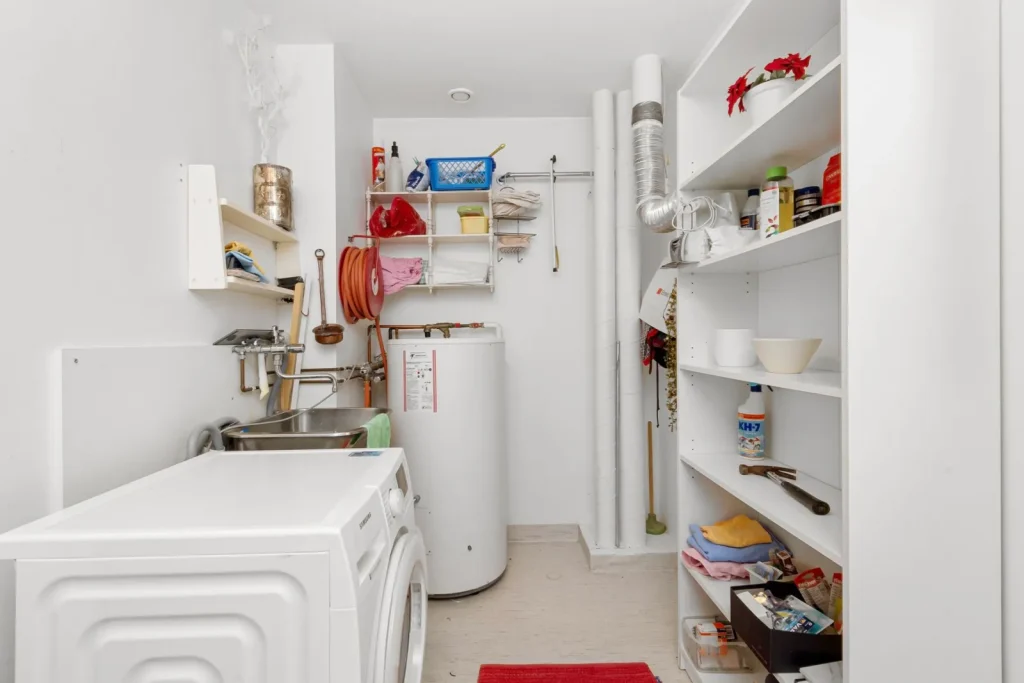
Grab the length and width of the room and multiply. A basement that is 30 feet by 50 feet is 1,500 square feet. Simple.
Two notes from the field. First, measure the whole open area, not just the corner that feels damp, because air mixes freely. Second, if the space is broken into small closed rooms, one central unit may not reach all of them, and that is a different conversation covered under Portable vs Whole House Dehumidifier: Which to Pick.
Step 2: Rate how damp the room really is
Square footage is only half the math. A dry-ish closet and a wet basement of the same size need very different machines. Match your room to one of these damp levels.
| Damp level | What it feels or looks like |
|---|---|
| Moderately damp | Musty smell in humid weather, air feels heavy sometimes |
| Very damp | Damp spots on walls or floor, clammy feel most of the year |
| Wet | Beading or sweating on surfaces, visible seepage after rain |
| Extreme | Standing water, a sump pit, laundry that never dries, obvious mold |
If you are stuck between two levels, round up. Extra capacity costs a little more upfront and saves you the misery of a unit that can never catch up.
Step 3: Read the sizing table
Here is the working chart I use, expressed in current (post-2019) pint ratings. Find your square footage, slide across to your damp level, and that is your minimum capacity.
| Room size | Moderately damp | Very damp | Wet or extreme |
|---|---|---|---|
| 300-500 sq ft | 20 pint | 25 pint | 30 pint |
| 500-1,000 sq ft | 25 pint | 30 pint | 35 pint |
| 1,000-1,500 sq ft | 30 pint | 35 pint | 45 pint |
| 1,500-2,500 sq ft | 35 pint | 45 pint | 50 pint |
So that customer with the 1,600 square foot basement, a sump pit, and standing water? She was in the “wet or extreme” column at the largest size. She needed a 50 pint unit, not a 20. No wonder the little one drowned.
When you are between two capacities, buy the bigger one. A larger unit runs at a lower duty cycle, cycles off more, and often uses less energy over a day than a small unit grinding at full tilt.
Step 4: Add capacity for the things the table cannot see
The chart assumes a fairly ordinary room. Real spaces have quirks that push moisture higher, and each one is worth bumping your pint rating up a notch.
- A washer, dryer, or laundry sink in the space
- Multiple people living or sleeping in the area
- A bathroom or shower that vents nearby
- A crawl space or dirt floor feeding moisture up
- A sump pit, French drain, or history of flooding
Hit two or more of those and I would jump a full size, not just a step. A finished basement bedroom with an attached bath and a laundry nook behaves like a much wetter room than its square footage suggests.
Cold rooms need a second look
Standard compressor units lose efficiency below about 65 degrees Fahrenheit and can frost up in a chilly, unheated basement. If your space runs cold, either choose a model rated for low temperatures or consider a desiccant type, a tradeoff we cover in Desiccant vs Compressor Dehumidifier Compared.
What “right sized” feels like when you get it correct
A properly sized unit does not run every minute of the day. It pulls the room down to your target, shuts off, and sips power keeping it there.
The goal is not the driest air possible. It is steady air in a healthy band, hit without the machine fighting for its life.
Set your target between 40 and 50 percent relative humidity. That range keeps mold and dust mites in check without over drying wood floors and trim, and it lines up with the guidance the EPA gives on indoor moisture. You can see their recommendation on the EPA mold and health page. If you want the reasoning behind that band, it is spelled out in Best Humidity Level to Prevent Mold.
Buy a $12 hygrometer and set it in the room for a few days before you shop. If it reads 70 percent or higher, treat the space as at least “very damp” no matter how it feels to you.
A few honest limits on the pint approach
Sizing by pints assumes the moisture is coming from the air, not pouring in through a crack. A dehumidifier cannot outrun an active leak, a bad grade, or a failed gutter, and pushing a bigger unit at that problem just runs up your bill.
If your basement stays wet after a good unit runs for a week, the cause is likely structural, and the fixes belong to a different job entirely. Damp Basement Causes and Fixes walks through those. Size the machine for the air, and fix the water at its source.
Putting your number together
Run the four steps in order and you will land on a capacity you can trust. Measure the square footage, rate the damp level, read across the table, then add a size for any laundry, bathrooms, or flooding history.
When in doubt, go one step larger. A slightly oversized dehumidifier costs a few dollars more and maybe $20 a year to run, but it holds your target easily and lasts longer because it is not maxed out every day. An undersized one just fills its tank, disappoints you, and leaves the mold happy. Pick for the room you have, not the price you hoped to pay, and set it to hold 45 percent.
Frequently asked questions
Is it bad to buy a dehumidifier that is too big?
Not really. A slightly oversized unit runs at a lower duty cycle, cycles off sooner, and often uses similar or less energy than a small unit running flat out. The only real downsides are a higher purchase price and a little more floor space. As long as you set a humidity target of 40 to 50 percent, an oversized unit will not over dry the room.
How many pints do I need for a 1,000 square foot basement?
For a basement around 1,000 square feet that feels very damp, plan on about a 30 to 35 pint unit under the current testing standard. If the space is only moderately damp, 25 to 30 pints is enough. If it has a sump pit or floods, step up toward 45 pints. Round up whenever you are unsure.
Why does my new dehumidifier show a lower pint number than my old one?
The U.S. Department of Energy changed the test conditions in 2019 to a cooler 65 degrees Fahrenheit, which produces lower numbers. A unit labeled 50 pints under the old rules is roughly a 35 pint unit today, even though the hardware inside is the same. Compare capacities only within the same standard.
What humidity level should I set the dehumidifier to?
Aim for 40 to 50 percent relative humidity, and 45 percent is a good default. That band discourages mold, dust mites, and musty smells without over drying wood floors, furniture, and trim. Going below 30 percent wastes energy and can cause gaps in flooring, so there is no benefit to chasing the driest possible air.
Can a dehumidifier fix a wet basement on its own?
Only if the moisture is coming from humid air. If water is entering through cracks, poor grading, or failed gutters, no dehumidifier can keep up, and a bigger one just runs your bill higher. Fix the water source first, then size the unit to control the remaining airborne moisture. Sizing by pints assumes the leak problem is already handled.

Dharm Solanki
Dharm Solanki spends a lot of time thinking about the air inside people's homes, usually when no one else is. He writes about humidity, ventilation, and dehumidifiers, along with the small fixes that turn a stuffy or damp room into one that feels comfortable again. He would rather explain why a recommendation works than just point at a product, so his guides tend to answer the question you were about to ask next. And if something looks great on paper but struggles in a normal house, he says so.