
On this page
The first thing my nose does every January is stage a small rebellion. Waking up with a throat like sandpaper and one nostril welded shut used to feel random, until I put a cheap meter on the nightstand and watched the number read 22 percent. That reading explained more about my mornings than any allergy pill ever had.
Sinuses are picky about the air they sit in. Too dry and the thin mucus lining that traps dust and germs dries up and cracks. Too damp and that same lining swells while mold and dust mites throw a party. The tricky part is that both extremes can feel almost identical from the inside: stuffy, sore, and vaguely miserable.
This is a plain walk through how humidity and sinus problems connect, the range that keeps your nasal passages calm, and a few honest ways to tell which way your air has drifted.
Why your sinuses care about a number on the wall
Your nasal passages are lined with a moving carpet of mucus and tiny hairs called cilia. That system needs a specific moisture level to sweep out particles and keep viruses from settling in.
When indoor air drops below about 30 percent relative humidity, that mucus thickens and the cilia slow down. You get crusting, the occasional nosebleed, and a dry cough that shows up around 3 a.m. Cold weather makes this worse because heating warm air without adding water pushes indoor levels into the teens.
Push too far the other way, past roughly 55 to 60 percent, and different trouble starts. Damp air lets dust mites reproduce and gives mold spores the moisture they need to bloom. For a lot of people, that means the congestion, sneezing, and post-nasal drip that feel like a permanent cold.
Keep indoor relative humidity between 40 and 50 percent. That band keeps nasal tissue moist enough to work while staying too dry for mold and dust mites to thrive.
The Environmental Protection Agency lands in the same neighborhood, recommending indoor humidity below 60 percent, and ideally between 30 and 50 percent, to limit mold and allergens. You can read their take on the EPA mold and moisture pages.
The dry-air side: crusting, nosebleeds, and that raw feeling

Dry sinus trouble is the winter classic. If your home has forced-air heat and no humidification, indoor levels routinely fall below 25 percent on a cold day.
The symptoms have a signature. A scratchy or burning sensation high in the nose, morning nosebleeds from cracked tissue, a dry throat that no amount of water quite fixes, and thick mucus that is hard to clear. Static shocks off the doorknob are a bonus clue that the air is parched.
Dry air does not just feel uncomfortable. It strips your first line of defense against every germ that walks in the door.
Dry sinuses also make you more prone to infection, because the mucus that would normally trap and flush out viruses is not doing its job. The Mayo Clinic notes that keeping nasal passages moist is a reasonable step for sinus comfort, and their general guidance lives on the Mayo Clinic health pages.
What actually helps when the air is too dry
- Run a cool-mist humidifier in the bedroom, targeting 40-45 percent, and clean it every few days.
- Use a saline nasal spray or rinse to add moisture directly where it counts.
- Keep a hygrometer in the room so you are adjusting to real numbers, not guesses.
- Lower the thermostat a couple of degrees at night; hotter air feels drier.
If dry air is a recurring theme for you, the same conditions drive cracked hands and lips, which is the whole story behind humidity and dry skin, and it is why static electricity gets so aggressive once the heat kicks on.
The damp-air side: congestion that never quite clears
Overly moist air is the summer and basement problem, and it fools people because it does not feel dry or harsh. It feels heavy.
When humidity climbs above 55 percent, dust mites and mold get the water they need to flourish. Their waste and spores are potent allergens, and for sensitive noses the result is chronic congestion, sneezing fits, itchy eyes, and that thick post-nasal drip at the back of the throat. People often blame a lingering cold when the real culprit is a bedroom sitting at 65 percent.
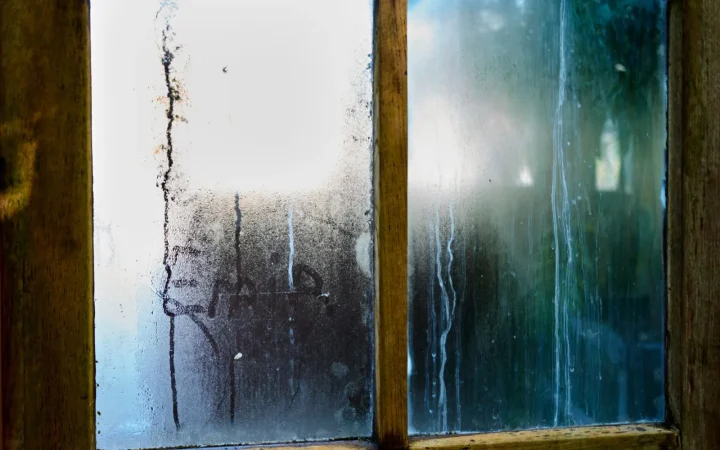
A room can be too humid without ever feeling wet. If you see condensation on windows, a musty smell in a closet, or dark specks in bathroom grout, your air has been damp long enough to grow something.
Bathrooms, basements, and bedrooms with the door shut overnight are the usual damp offenders. A dehumidifier sized to the space, or simply running the bathroom exhaust fan longer, often drops the reading back into the safe zone within a day.
How to tell which problem you actually have
Symptoms alone will lie to you. A stuffy nose points in both directions. The only reliable move is to measure, and a digital hygrometer costs about $10-15 at any hardware store.
Set it in the room where symptoms are worst, usually the bedroom, and check it first thing in the morning and again mid-afternoon. Here is the quick read on what the number is telling you.
| Reading | What it means | Likely sinus effect |
|---|---|---|
| Below 30% | Too dry | Crusting, nosebleeds, raw throat, dry cough |
| 30-40% | Slightly dry | Mild irritation, worse on cold days |
| 40-50% | Target zone | Calm, comfortable passages |
| 50-60% | Getting damp | Early congestion for sensitive people |
| Above 60% | Too moist | Congestion, allergen flare-ups, drip |
A mistake I see constantly: people buy a humidifier the moment their nose acts up, without ever measuring. Half the time their air was already at 55 percent, and the extra moisture made the congestion worse, not better. Measure first, then buy the tool that moves the number the right direction.
The bedroom is where it matters most
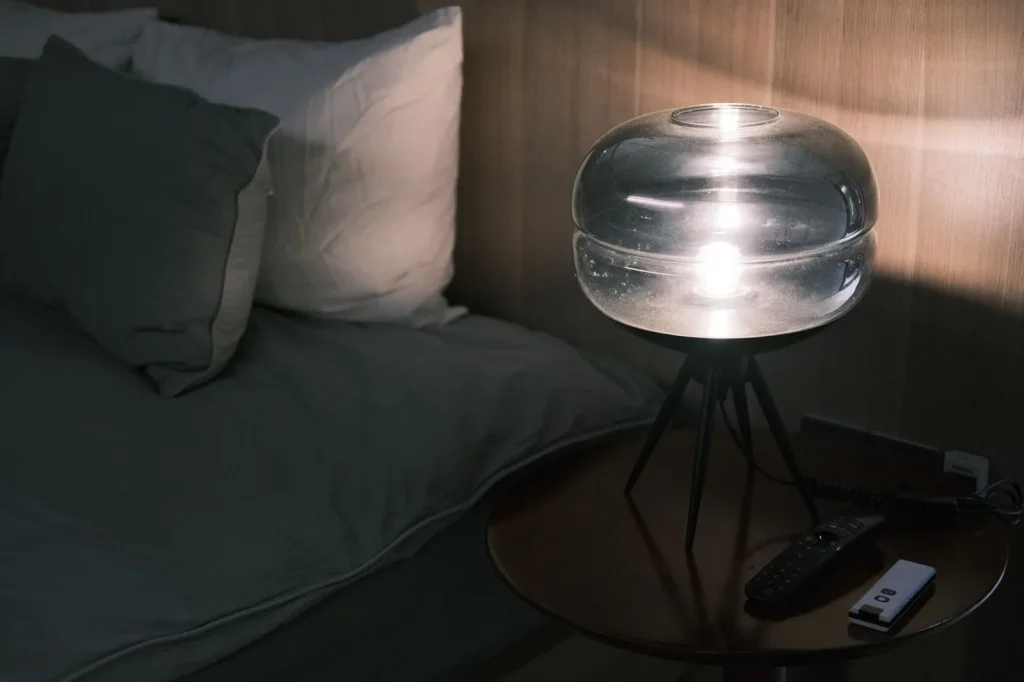
You spend seven or eight hours a night breathing one room’s air, often with a furnace or AC cycling and drying it out. That is why bedroom humidity for sleep gets special attention, and why the nightstand is the smartest place for your first hygrometer.
Cracking the bedroom door a few inches overnight lets air exchange with the rest of the house and evens out humidity swings. A shut door plus a running humidifier can spike a small room past 60 percent by morning.
Seasons flip the problem on you
The same house can swing from too dry to too damp across the year, which is why a one-time fix rarely holds.
Winter heating strips moisture out, so December through February usually calls for adding humidity. Summer, especially in humid regions, pushes the other way, and that is when the air conditioner or a dehumidifier earns its keep. This is the reason ideal indoor humidity in winter and ideal indoor humidity in summer are treated as separate targets, even though the healthy band lands in the same 40-50 percent range.
The U.S. Department of Energy has practical, no-nonsense advice on managing home moisture and comfort on its Energy Saver site, which is worth a look if your bills climb alongside your humidity.
A simple plan to keep your sinuses calm
Start cheap and start with data. Put a $12 hygrometer in your bedroom today and read it for a couple of days before you spend anything else.
If it reads below 40 percent, add moisture with a clean cool-mist humidifier and a nightly saline rinse. If it reads above 55 percent, pull moisture out with better ventilation or a dehumidifier, and hunt down any condensation or musty smell. Aim for that steady 40-50 percent band in the room where you sleep, and re-check when the seasons turn.
One honest caveat: if you have facial pain, congestion stuck on one side, or symptoms that drag past ten days, that is a doctor visit, not a humidity project. Air quality supports healthy sinuses, but it does not treat an infection. Get the easy number right first, and see how much of the daily irritation simply fades.
Frequently asked questions
What humidity level is best for sinus problems?
Aim for 40 to 50 percent relative humidity indoors. That range keeps the mucus lining in your nose moist enough to trap particles and fight off germs, while staying too dry for mold and dust mites to grow. Below 30 percent your passages dry and crack; above 55 to 60 percent congestion and allergens tend to spike.
Can dry air cause sinus infections?
Dry air does not directly cause an infection, but it makes one more likely. When humidity drops below 30 percent, nasal mucus thickens and the tiny hairs that sweep out viruses slow down. That weakens your natural defense, so germs settle in more easily. Keeping indoor air near 40 percent and using saline spray helps your sinuses stay protected.
Is a humidifier or a dehumidifier better for sinuses?
It depends entirely on your current reading, so measure before you buy. If a hygrometer shows below 40 percent, a humidifier adds the moisture your nose needs. If it reads above 55 percent, you want a dehumidifier to cut the dampness feeding mold and dust mites. Buying the wrong one can make congestion worse.
Why do my sinuses hurt more at night?
Bedrooms often drift to humidity extremes overnight because the door stays shut while a furnace or air conditioner keeps drying the air. You also breathe that single room's air for seven or eight hours straight. Lying down adds pressure and drainage changes on top of that. A nightstand hygrometer and a cracked door usually reveal and ease the problem.
How do I know if my air is too dry or too damp?
Symptoms overlap, so trust a $10 to $15 hygrometer instead of your nose. Nosebleeds, crusting, static shocks, and a scratchy throat point to dry air below 30 percent. Window condensation, musty smells, and thick post-nasal drip point to damp air above 55 percent. Place the meter in your worst room and check it morning and afternoon.

Dharm Solanki
Dharm Solanki spends a lot of time thinking about the air inside people's homes, usually when no one else is. He writes about humidity, ventilation, and dehumidifiers, along with the small fixes that turn a stuffy or damp room into one that feels comfortable again. He would rather explain why a recommendation works than just point at a product, so his guides tend to answer the question you were about to ask next. And if something looks great on paper but struggles in a normal house, he says so.