On this page
The first solid oak floor I ever helped install looked flawless in June. By February, the homeowner called me back, convinced the installer had botched it. You could slide a business card into the gaps between several boards. Nothing was wrong with the workmanship. The air in that house had simply dried out, and the wood did exactly what wood does.
Hardwood is a living material even after it leaves the tree. It swells when the air is damp and shrinks when the air is dry. Your job as a homeowner is to keep the indoor air steady enough that those movements stay small and invisible.
The target most flooring makers agree on is a relative humidity between 35 and 55 percent. Hold that band, and your floor stays quiet and tight.
Keep indoor relative humidity between 35 and 55 percent, with 40 to 50 percent as the sweet spot. Wood installed and acclimated in that range will move the least across the seasons.
Why humidity moves your floorboards
Wood is full of tiny cells that absorb and release moisture until they match the air around them. Drier air pulls water out and the board narrows. Damp air pushes water in and the board widens.
This movement happens mostly across the width of each board, not the length. A 5 inch wide plank might change less than a hundredth of an inch, but multiply that across twenty planks in a row and the whole floor shifts noticeably.
Two words describe the trouble you want to avoid.
Gapping
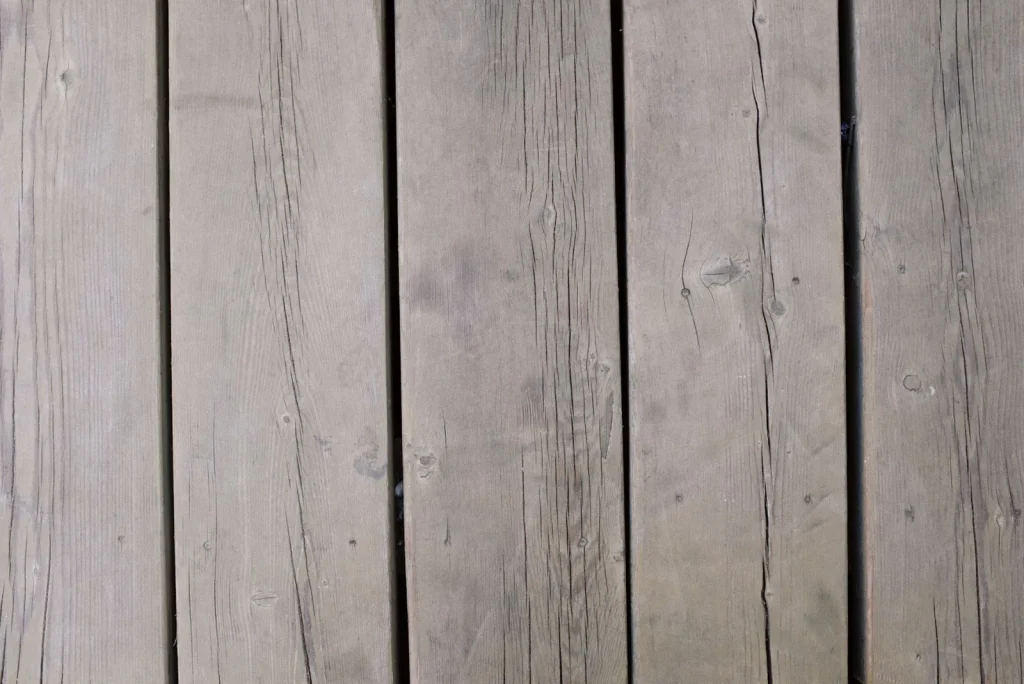
Gapping is what happens when air gets too dry, usually in winter. Boards shrink and pull apart, leaving thin lines between them. Small seasonal gaps often close back up on their own when humidity returns. Wide, permanent gaps mean the wood was installed too wet or the air swung too far.
Cupping and crowning
Cupping shows up when the underside of a board absorbs more moisture than the top, so the edges rise higher than the center. You feel it as a subtle washboard texture underfoot. Crowning is the reverse, with the center bulging up, and it often follows an aggressive sanding job done while a floor was still cupped.
A steady 45 percent all year is kinder to your floor than a house that bounces between 25 percent in January and 65 percent in July.
How the seasons pull your floor in two directions
The heating and cooling seasons work against wood in opposite ways, and understanding the pattern helps you plan.
| Season | What the air does | What the wood does | Your move |
|---|---|---|---|
| Winter | Furnace heat dries indoor air, often below 30 percent RH | Boards shrink, gaps appear | Add moisture with a humidifier |
| Summer | Warm outdoor air holds more water, indoor RH climbs past 60 percent | Boards swell, edges may cup | Run AC or a dehumidifier |
| Spring and fall | Mild, moderate humidity | Wood is generally content | Monitor and coast |
This is the same seasonal seesaw behind topics like Ideal Indoor Humidity in Winter and Ideal Indoor Humidity in Summer. Floors just make the swing visible, because you can see and feel the result.
How to hold a steady level, step by step
You do not need fancy equipment. You need a way to measure, a way to add moisture, and a way to remove it.
Before you start, buy two inexpensive digital hygrometers ($12 to $20 each) and place them in different rooms. One reading can be off; two that agree give you confidence.
Step 1: Measure before you react
Put a hygrometer at floor level in the room with your best hardwood, not up on a shelf. Air near the floor can read a few points different. Check it morning and evening for a week so you learn your home’s real pattern.
Step 2: Handle the dry winter months
If your reading dips below 35 percent, add moisture. A whole-house humidifier tied to the furnace is the cleanest fix for a large home, typically $400 to $800 installed. Portable units running $40 to $120 work fine for a single room or a small house.
Set your target around 40 percent in deep winter. Pushing higher than 45 percent when it is very cold outside can cause condensation on windows, which creates its own moisture problems.
Step 3: Handle the humid summer months
When the reading climbs past 55 percent, pull moisture out. Central air conditioning does this as a side effect of cooling. In a damp basement or a shoulder season when the AC is not running much, a dehumidifier earns its keep.
A mid-size 30 to 50 pint dehumidifier costs $200 to $300 and can hold a problem basement in check. Empty the tank or set up a drain hose so it does not shut off and let humidity creep back up.
Step 4: Do not let a vacant house drift
The worst floor damage I have seen came from empty homes. A house closed up for a winter vacation with the heat set low and no humidity control can swing hard, and the floor pays for it.
Leaving for weeks? Do not shut everything off. Keep the HVAC set to hold a moderate temperature, and if your winters are harsh, ask someone to run a humidifier. A steady empty house protects the floor far better than a dark, dry, frozen one.
Acclimate wood before it goes down
If you are installing new hardwood, the single most important step happens before the first board is nailed. The wood needs to sit inside the actual room, unwrapped, until its moisture content matches your home.
Most installers let solid hardwood acclimate for a minimum of 3 to 5 days, and longer for wide planks or exotic species. Skip this, and the boards will keep adjusting after installation, which is when gaps and cupping show up.
- Store the flooring inside the room where it will live, not in a garage or basement.
- Turn on your normal heating or cooling so the room sits at lived-in conditions.
- Check the moisture content of both the wood and the subfloor with a moisture meter.
- Aim for the wood and subfloor to be within 2 to 4 percentage points of each other.
- Only then start nailing or gluing.
Reading your floor for warning signs
Your floor talks to you if you pay attention. A few small gaps that appear every January and vanish every June are normal seasonal behavior, and I would not lose sleep over them.
What deserves attention is a floor that cups noticeably, a plank that lifts at the ends, or gaps that keep getting wider year over year. Those point to a moisture source, maybe a leak, a wet crawlspace, or humidity that is running out of range for months at a time.
For the health side of the same air, the EPA indoor air quality pages recommend keeping indoor humidity below 60 percent to discourage mold, which lines up neatly with what your floor wants. The Department of Energy Energy Saver site is a solid reference for sizing humidifiers and dehumidifiers efficiently.
Your simple maintenance rhythm
Holding the right humidity for hardwood floors is not a one-time project. It is a light seasonal habit, and once you have the tools in place it takes minutes.
Glance at your hygrometer when the weather turns. When it dips below 35 in winter, run the humidifier. When it climbs above 55 in summer, run the AC or dehumidifier. Keep the swings gentle, and your floor will reward you with tight seams and a flat surface for decades.
Start this week by placing a hygrometer near your best floor and watching the number for seven days. That single reading tells you more about your floor’s future than any product you could buy.
Frequently asked questions
What is the ideal humidity level for hardwood floors?
Aim for a relative humidity between 35 and 55 percent, with 40 to 50 percent as the ideal target. Most flooring manufacturers specify this range in their warranty terms. Staying inside the band keeps boards from shrinking into gaps in dry weather or swelling and cupping in damp weather. A steady level matters more than hitting an exact number.
Why does my hardwood floor gap in winter?
Winter heating dries indoor air, often dropping it below 30 percent relative humidity. Wood releases moisture into that dry air and shrinks across the width of each board, so thin gaps open between planks. Small seasonal gaps usually close up again when humidity rises in spring. Running a humidifier to hold at least 35 percent keeps them from getting noticeable.
Can high humidity damage wood floors?
Yes. When indoor humidity climbs above roughly 55 to 60 percent, boards absorb moisture and swell. If the underside takes on more water than the top, the edges rise higher than the center, a defect called cupping. Prolonged high humidity can also invite mold beneath the floor. Air conditioning or a dehumidifier keeps summer moisture in check.
How long should hardwood acclimate before installation?
Most solid hardwood needs at least 3 to 5 days acclimating inside the actual room, and wide planks or exotic species often need longer. Store the wood unwrapped in the space with normal heating or cooling running. Check that the wood and subfloor moisture readings are within 2 to 4 percentage points before installing. Skipping this step is a leading cause of later gapping and cupping.
Do I need a whole-house humidifier for my floors?
Not always. A whole-house humidifier tied to the furnace, roughly $400 to $800 installed, is the cleanest solution for a large home with dry winters. For a single room or a small house, a portable unit costing $40 to $120 does the job. The goal is simply to keep the air from dropping below 35 percent, however you get there.
Are small seasonal gaps in my floor a problem?
Usually not. Thin gaps that appear every winter and close every summer are normal wood movement, not a defect. Worry when gaps keep widening year after year, when planks lift at the ends, or when the floor cups noticeably. Those patterns point to a moisture source or humidity that has been out of range for months, and they deserve a closer look.

Dharm Solanki
Dharm Solanki spends a lot of time thinking about the air inside people's homes, usually when no one else is. He writes about humidity, ventilation, and dehumidifiers, along with the small fixes that turn a stuffy or damp room into one that feels comfortable again. He would rather explain why a recommendation works than just point at a product, so his guides tend to answer the question you were about to ask next. And if something looks great on paper but struggles in a normal house, he says so.