
On this page
- 1. Measure before you touch anything
- 2. Fix how your air conditioner runs, not just how cold it is
- 3. Add a standalone dehumidifier where the AC cannot reach
- 4. Vent moisture at the source with exhaust fans
- 5. Move the air you already have
- 6. Seal the leaks that let humid air pour in
- 7. Trim the small moisture sources you forgot about
- Where to start this week
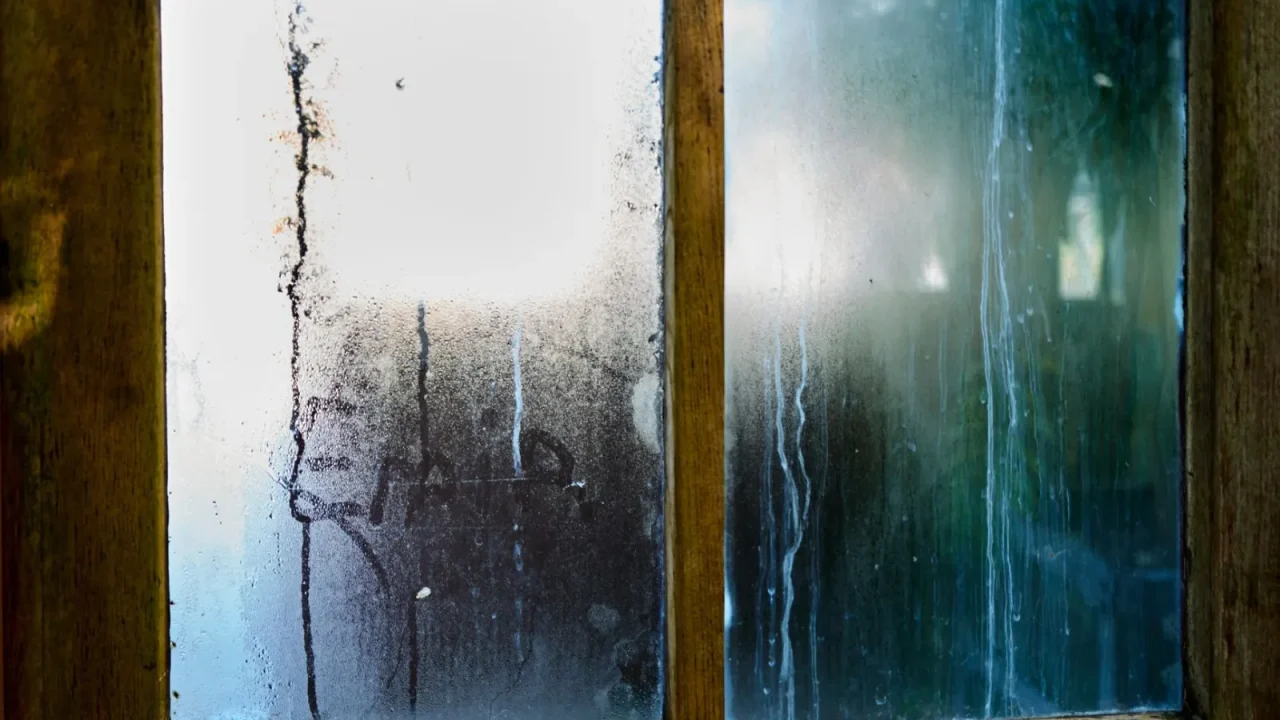
The first sign is usually the bath towel. It is July, you hung it up two days ago, and it is still faintly damp when you reach for it. The floor feels tacky underfoot, the sheets never quite dry out, and the air itself has that heavy, close feeling even though the thermostat swears it is 74 degrees.
That clammy feeling is not heat. It is moisture, and it is the single most common summer comfort complaint I hear.
Learning how to fix sticky humid air is mostly about attacking it from a few directions at once: setting your AC to actually remove water, pulling out what is left with a dehumidifier, and stopping new moisture at the source. Here are the fixes that genuinely move the needle, roughly in the order I would try them.
1. Measure before you touch anything
You cannot fix a number you do not have. A cheap digital hygrometer runs about $10 to $15, and it turns a vague “it feels gross in here” into “the living room is sitting at 62 percent.”
In summer, the sweet spot indoors is 40 to 50 percent relative humidity. Above 55 percent, most people start to feel that sticky drag, and above 60 percent you are in mold and dust-mite territory.
If a glass of ice water sweats and pools within a couple of minutes of sitting out, your indoor humidity is well above 55 percent. It is a crude test, but it rarely lies.
Put one sensor in the muggiest room, usually a basement or a north-facing bedroom, and check it morning and evening. If you want the full picture of target ranges by season, the Ideal Indoor Humidity in Summer breakdown covers it in more depth.
2. Fix how your air conditioner runs, not just how cold it is
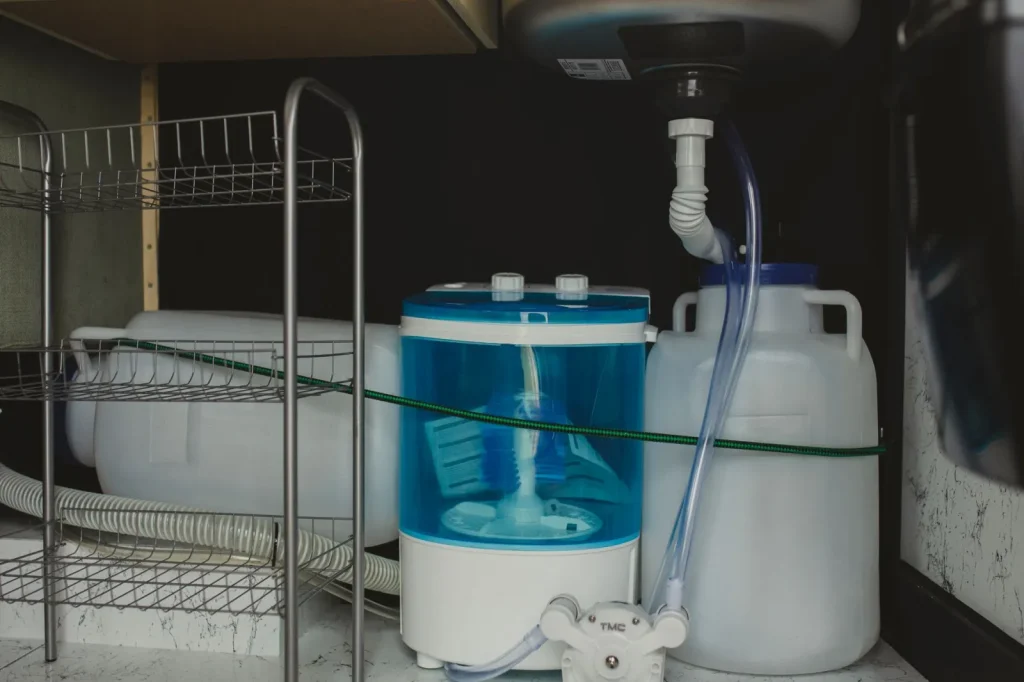
Your AC is a dehumidifier that happens to also cool. Every time warm air passes over the cold evaporator coil, water condenses out and drains away. The catch is that this only works well when the system runs long enough for the coil to stay cold and wet.
A mistake I see all the time: people crank the thermostat down to 68 chasing comfort. The AC blasts, hits temperature in eight minutes, and shuts off before it has removed much moisture. You end up with a cold, damp room, which somehow feels worse than a warm dry one.
Set a higher temperature and a lower fan
Try setting the thermostat to 74 or 75 and switching the fan from ON to AUTO. On AUTO, the blower stops when the compressor stops, so condensed water actually drips off the coil and out the drain instead of getting blown back into the house.
An oversized AC is a humidity trap. If your unit cools the house fast but the air still feels damp, it is likely too big for the space and short-cycling. This is a design flaw, not a settings problem, and it is worth a conversation with an HVAC tech before you replace anything.
Clean the coil and swap the filter
A dirty coil or a clogged filter chokes airflow and hurts moisture removal. Change the filter every one to three months in summer, and hose down the outdoor condenser coil once a season with the power off.
3. Add a standalone dehumidifier where the AC cannot reach
Basements are the classic problem. They are cool enough that the AC barely runs down there, yet damp enough to smell musty by August. A portable dehumidifier is the direct fix.
Sizing is simple. For a typical damp basement, a 30 to 50 pint unit handles most homes. Empty spaces up to about 1,500 square feet do fine on a 30 pint; larger or wetter spaces want a 50.
| Space | Condition | Suggested capacity |
|---|---|---|
| Bedroom or small room | Slightly damp | 20-22 pint |
| Basement up to 1,500 sq ft | Damp, musty smell | 30-35 pint |
| Large basement or whole floor | Wet, visible moisture | 50 pint |
Run it to a set humidity target rather than leaving it on full-time. Most units let you dial in 45 percent and cycle themselves. If you hate emptying the tank, run a drain hose to a floor drain or sump so it empties on its own.
The single best upgrade I made to my own basement was a $5 length of hose so I never had to carry a sloshing tank up the stairs again.
4. Vent moisture at the source with exhaust fans
Every hot shower dumps a surprising amount of water into the air, and so does a pot of pasta or a running dishwasher. It is far easier to blow that moisture straight outside than to remove it from the whole house later.
- Run the bathroom fan during every shower and for 15-20 minutes after.
- Use the kitchen range hood whenever you boil or simmer, not just when something burns.
- Confirm both fans vent to the outside, not into the attic. A fan that dumps damp air into the attic just moves the mold problem upstairs.
- Vent your clothes dryer outdoors, and check that the flap actually closes.
The U.S. EPA has good plain-language guidance on managing indoor moisture and preventing mold, worth a read if you are seeing spots or smelling that damp odor. You can find it on the EPA mold and moisture pages.
5. Move the air you already have
Moving air does not lower humidity, but it makes humid air far more bearable. A ceiling fan or a box fan speeds the evaporation of sweat off your skin, and that can make a room feel two to three degrees cooler than the thermostat reads.
Set ceiling fans to spin counterclockwise in summer so they push air down at you. And turn them off when you leave a room, since a fan cools people, not spaces.
Pair a fan with your AC and you can often nudge the thermostat up two degrees without feeling any warmer. That is real money saved over a summer, and less short-cycling means better moisture removal too.
6. Seal the leaks that let humid air pour in
On a muggy day, outdoor air can sit at 80 or 90 percent humidity. Every gap around a door, window, or basement rim joist lets that soggy air seep in and undoes your other efforts.
Weatherstrip doors, caulk obvious window gaps, and check that basement windows actually close and latch. In crawlspaces and unfinished basements, a plastic vapor barrier over bare soil cuts a shocking amount of ground moisture for under $50 in materials. The Department of Energy’s Energy Saver site walks through sealing and insulation basics if you want a methodical checklist.
7. Trim the small moisture sources you forgot about
Houseplants, aquariums, drying laundry on a rack, and even long unvented gas ranges all add water to the air. None of them are dealbreakers on their own, but three or four together in a closed-up house add up.
If you dry laundry indoors, do it in one room with a fan and a cracked window, or better yet vent that dryer outside. Group thirsty plants away from the bedrooms where damp air hits your sleep hardest, a topic the Best Bedroom Humidity for Sleep guide gets into.
Where to start this week
Do not try all seven at once. Buy the hygrometer first, because it tells you whether you have a whole-house problem or a single damp room.
If the numbers are high everywhere, start with your AC settings and filter, then add sealing. If it is just the basement, one right-sized dehumidifier will likely do more than everything else combined. Get the moisture down near 45 percent and you will feel the difference the same evening, right down to a bath towel that finally dries.
Frequently asked questions
What is the ideal indoor humidity level in summer?
Aim for 40 to 50 percent relative humidity. That range feels comfortable and stays below the 55 to 60 percent zone where mold and dust mites thrive. A $12 hygrometer lets you track it in your muggiest room. If you cannot easily hold that range, a dehumidifier or better AC runtime is usually the missing piece rather than a colder thermostat setting.
Does turning the AC colder remove more humidity?
Not usually. Setting the thermostat very low makes the AC hit temperature fast and shut off before it removes much moisture, leaving you with cold damp air. A higher setting around 74 to 75 with the fan on AUTO lets the system run longer, keep the coil cold and wet, and pull out far more water in the process.
Will a dehumidifier or an air conditioner cut sticky air better?
It depends on the space. Your AC handles the whole cooled part of the house and removes moisture as it runs. For a cool basement where the AC barely kicks on, a standalone dehumidifier works better because it targets that damp air directly. Many homes benefit from both, with the dehumidifier covering the spots the AC cannot reach.
Why does my house feel sticky even with the AC running?
Common causes are an oversized AC that short-cycles, a dirty filter or coil that hurts airflow, the fan set to ON instead of AUTO, or humid outside air leaking through gaps. Check the fan setting and filter first since those are free fixes. If the unit still cools fast but leaves damp air, it may be too large for the space.
How long should I run a bathroom exhaust fan after a shower?
Run it during the shower and for 15 to 20 minutes afterward. That window lets the fan clear the moisture spike before it spreads into the rest of the house. Confirm the fan vents to the outside rather than into the attic, because an attic-vented fan just relocates the moisture problem where you cannot see it until mold appears.
Can houseplants make indoor air feel more humid?
A few plants add only a little moisture, but a large collection, an aquarium, and laundry drying on a rack together can noticeably raise humidity in a closed-up summer house. You do not need to get rid of them. Keep thirsty plants out of bedrooms, run a fan nearby, and make sure other moisture sources like the dryer vent outdoors.

Dharm Solanki
Dharm Solanki spends a lot of time thinking about the air inside people's homes, usually when no one else is. He writes about humidity, ventilation, and dehumidifiers, along with the small fixes that turn a stuffy or damp room into one that feels comfortable again. He would rather explain why a recommendation works than just point at a product, so his guides tend to answer the question you were about to ask next. And if something looks great on paper but struggles in a normal house, he says so.