On this page
Every January, I get the same text from my sister: her hands are cracking at the knuckles and no amount of lotion helps. She blames her skin. I blame her furnace. She has never once believed me until she borrowed my hygrometer and saw her living room sitting at 22 percent relative humidity.
That number is the whole story. When the air around you is that dry, your skin does not stand a chance, and the fanciest moisturizer is just bailing water out of a leaky boat.
Why dry air pulls moisture straight out of your skin
Air is a bit like a sponge. When it holds very little water, it acts thirsty, and it draws moisture from any wetter surface nearby. Your skin, which is mostly water, is a prime target.
This process is called transepidermal water loss. It happens all the time at a slow trickle, but dry air speeds it up dramatically. The bigger the gap between the moisture in your skin and the moisture in the room, the faster your outer layer gives up its water.
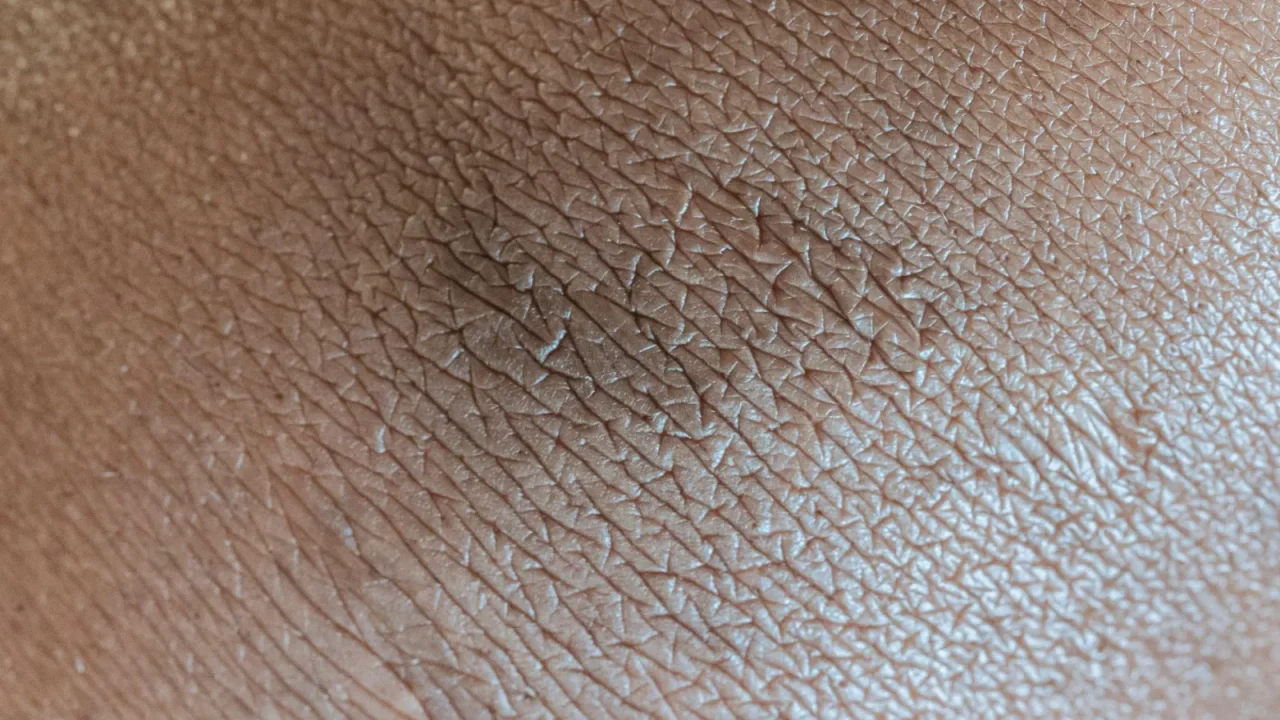
The outermost layer of skin, the stratum corneum, works best when it holds a healthy amount of water. When it dries out, it stops flexing smoothly and starts to flake, tighten, and crack.
Skin does not care how cold it is outside. It cares about the relative humidity of the air actually touching it, which is almost always your indoor air.
Winter is the worst offender
Cold outdoor air holds very little moisture to begin with. When your furnace heats that air, the relative humidity drops even lower, often into the teens or twenties.
That is why dry skin, chapped lips, and morning nosebleeds cluster in the same months. A home that felt fine in October can hit single-digit humidity by January without anyone touching a thing. This is the same reason our guide on Ideal Indoor Humidity in Winter is one of the most-read pieces we publish.
The humidity level that keeps skin comfortable

For skin, the sweet spot for indoor relative humidity is 40 to 50 percent. In that band, the air is no longer aggressively pulling water out of you, and your natural skin barrier can keep up.
Below 30 percent, most people start to notice tight, itchy, flaky skin. Below 20 percent, even people who never think about their skin will feel it.
You do not want to overshoot, either. Push past 55 to 60 percent and you trade skin problems for mold, musty smells, and dust mites, which bring their own irritation.
| Relative humidity | How your skin feels | Other effects |
|---|---|---|
| Under 20% | Tight, cracking, painful | Static shocks, nosebleeds, sore throat |
| 20-30% | Dry, flaky, itchy | Chapped lips, dry eyes |
| 40-50% | Comfortable and balanced | The target range for most homes |
| 55-65% | Skin fine, but air feels heavy | Mold and dust mite risk climbs |
If those numbers feel abstract, our broader piece Ideal Indoor Humidity: A Complete Comfort Guide walks through how the same 40 to 50 percent range serves sleep, sinuses, and even your furniture.
The cheapest skincare product you can buy is a five-dollar hygrometer that tells you the air, not your face, is the problem.
Check the air before you check the mirror
A mistake I see constantly: people spend $40 on a serum before they spend $12 on a hygrometer. Measuring first saves you a lot of guessing.
Buy a small digital hygrometer, set it in the room where you spend the most time, and read it in the morning and again at night. Bedrooms matter most, since you breathe that air for seven or eight hours straight. If the number sits below 35 percent, the air is your problem, not your skin.
Place the hygrometer away from vents, windows, and radiators. A spot right next to a heat register will read drier than the air you actually live in.
What to change at home before reaching for lotion

Lotion treats the symptom. Fixing the room treats the cause. Here is where I start, roughly in order of impact.
1. Add moisture with a humidifier
A humidifier is the most direct fix. For a single bedroom, a small evaporative or ultrasonic unit rated for the room’s square footage is plenty, usually $30 to $80.
Match the capacity to the space. A tabletop unit that runs dry by 2 a.m. does nothing for the second half of your night, which is exactly when dry air does its damage.
Clean the tank every few days and use distilled water if your tap is hard. A neglected humidifier grows bacteria and sprays it into the air you breathe, which is worse than dry skin. The EPA indoor air quality pages cover safe humidifier upkeep in detail.
2. Ease off the heat
Every degree you crank the furnace pulls the relative humidity down further. Dropping the thermostat a few degrees and wearing a sweater keeps more moisture in the air.
The Department of Energy’s Energy Saver site makes the same point for a different reason, that lower heating settings save money. Your skin and your utility bill happen to want the same thing here.
3. Rethink long, hot showers
A steamy 20-minute shower feels great and then strips the oils that hold water in your skin. Shorter, warmer-not-scalding showers help, and slapping on moisturizer within a couple of minutes of drying off locks in what water is left.
4. Manage ventilation, do not fight it
You still need fresh air. The goal is not to seal the house shut, which causes its own problems, but to avoid over-ventilating with bone-dry outdoor air on the coldest days.
- Run bathroom and kitchen fans only as long as you need them, not for hours.
- Seal obvious drafts around windows and doors so heated, humidified air stays put.
- Keep interior doors open so moisture spreads evenly instead of pooling in one room.
- On brutally cold, dry days, resist cracking windows wide open.
When it is your skin, not the air
Sometimes the hygrometer reads a healthy 45 percent and your skin is still miserable. That is worth knowing too, because no humidifier will fix a medical issue.
Conditions like eczema, psoriasis, and simple aging skin all reduce your barrier’s ability to hold water, even in good air. If your skin stays cracked and inflamed in a well-humidified home, that is a conversation for a doctor. The Mayo Clinic’s dry skin overview is a sensible place to read up before that visit.
Getting the balance right
Dry skin in winter is rarely a mystery once you measure the air. Nine times out of ten, the room is too dry, and nudging it back toward 40 to 50 percent does more than any bottle on the bathroom shelf.
Start this week with the cheap fix: buy a hygrometer, read your bedroom, and if it is under 35 percent, add a properly sized humidifier and keep it clean. Fix the air first, then let the lotion do the small job it was actually meant to do.
Frequently asked questions
What humidity level stops dry skin?
Keep indoor relative humidity between 40 and 50 percent. In that range the air stops aggressively pulling moisture from your skin, and your natural barrier can keep up. Below 30 percent most people notice tightness and flaking. Below 20 percent, even people who never think about their skin will feel it. Avoid going above 55 percent, which invites mold and dust mites.
Does a humidifier really help dry skin?
Yes, when the problem is dry air rather than a skin condition. A humidifier raises the moisture in the room so your skin loses water more slowly. It works best if you size it to the room and run it overnight in the bedroom. Measure with a hygrometer first, since a humidifier does nothing useful if your air is already at 45 percent.
Why is my skin so dry in winter even indoors?
Cold outdoor air holds very little moisture, and heating it indoors drops the relative humidity even lower, often into the teens or twenties. So your heated home is actually drier than the air outside. That thirsty indoor air pulls water out of your skin all day and night, which is why cracking, flaking, and chapped lips peak in the coldest months.
Can humidity that is too high cause skin problems too?
High humidity does not dry your skin, but pushing a home past 55 to 60 percent creates different trouble. Damp air encourages mold growth, dust mites, and general stuffiness, all of which can irritate skin and airways. The goal is balance, not maximum moisture. Aiming for 40 to 50 percent keeps skin comfortable without inviting those damp-air problems.
Should I fix the air or just use more moisturizer?
Do both, but fix the air first. Moisturizer slows water loss from your skin, while raising room humidity removes the cause of that loss. If your bedroom sits below 35 percent, no amount of lotion fully keeps up. Buy a hygrometer for about $12, check the reading, add a humidifier if needed, and let moisturizer handle the smaller remaining job.

Dharm Solanki
Dharm Solanki spends a lot of time thinking about the air inside people's homes, usually when no one else is. He writes about humidity, ventilation, and dehumidifiers, along with the small fixes that turn a stuffy or damp room into one that feels comfortable again. He would rather explain why a recommendation works than just point at a product, so his guides tend to answer the question you were about to ask next. And if something looks great on paper but struggles in a normal house, he says so.