On this page
Stand in the filter aisle at any hardware store and you will see a wall of numbers: MERV 6, MERV 8, MERV 11, MERV 13, plus a few brand-specific scales invented to confuse you. A customer once told me she always bought the highest number on the shelf because “more is better.” Her furnace disagreed. The blower was straining, the upstairs rooms ran warm, and the fix was going down two MERV points, not up.
That is the whole tension in one story. A filter’s job is to catch particles, but the tighter it weaves to catch them, the harder your system has to work to pull air through. Getting the number right means understanding what the scale measures and where your own equipment lives on it.
What the MERV scale actually measures
MERV stands for Minimum Efficiency Reporting Value. It is an industry rating from ASHRAE that scores how well a filter captures particles across a range of sizes, from 0.3 microns up to 10 microns.
The scale for residential filters runs from 1 to 16. Commercial and hospital-grade filters climb to 20, but you will almost never see those in a home HVAC return.
Here is the part people miss. A higher MERV does not just catch “more” dust. It catches smaller particles that lower ratings let slip through. A MERV 4 filter is basically a rock catcher for lint and carpet fibers. A MERV 13 filter starts grabbing the fine stuff like smoke and some bacteria.
Higher MERV equals smaller particles trapped, not just a larger quantity. The jump from MERV 8 to MERV 13 is mostly about capturing the fine, lung-reaching particles you cannot see.
Which rating captures what
The numbers feel abstract until you tie them to real particles floating around your house. This is roughly how the residential range breaks down.
| MERV range | Catches | Typical use |
|---|---|---|
| 1-4 | Lint, carpet fibers, dust mites, large pollen | Bare-minimum equipment protection |
| 5-8 | Mold spores, finer dust, pet dander, hair spray | Standard homes, good baseline |
| 9-12 | Fine auto emissions, some mold, humidifier dust, larger PM2.5 | Allergy-sensitive households |
| 13-16 | Bacteria, smoke, sneeze droplets, most PM2.5 | Homes with respiratory concerns or wildfire smoke |
If someone in the house has allergies or asthma, MERV 11 to 13 is the sweet spot for most systems. It pulls out the pollen, dander, and finer cooking particles without choking a residential blower.
That fine-particle capture is where a furnace filter overlaps with the air quality your monitor reads. If you have been chasing high PM2.5 numbers, especially the spikes you get when reducing PM2.5 from cooking, a MERV 13 filter running on a decent blower helps clean the whole-house air between meals.
The airflow tradeoff nobody warns you about
This is the catch that sent my customer’s furnace into a fit. Every MERV step up adds resistance. The filter media gets denser, and your blower motor has to fight harder to move the same amount of air.
HVAC engineers measure this resistance as static pressure. Most residential systems are designed for a specific maximum, often around 0.5 inches of water column across the whole system. Slap a high-MERV filter on a system already near its limit and you get real problems.
A filter that is too restrictive can reduce airflow enough to freeze your AC coil in summer, overheat the heat exchanger in winter, and drive up your energy bill. Weak airflow from the vents is the first warning sign.
The frustrating truth is that a filter rated too high for your system can make indoor air worse, because the equipment cycles poorly and moves less total air past the filter.
The best filter is not the one with the highest number. It is the highest number your system can breathe through comfortably.
How to find your system’s limit
Check the equipment. Furnace and air handler documentation lists a rated maximum external static pressure. If you cannot find it, a common safe bet for older or single-stage systems is to stay at MERV 8 to 11.
Newer variable-speed blowers handle denser filters better because they ramp up to compensate. If you have one of those, MERV 13 is usually fine. A quick call to whoever services your system settles it in five minutes.
Filter thickness changes the math
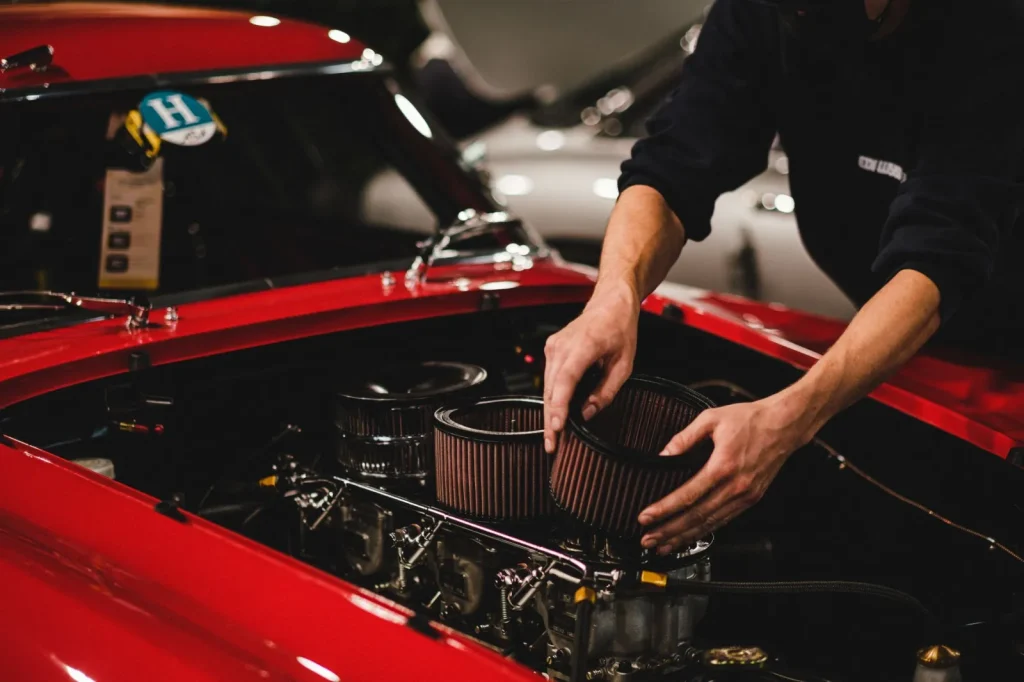
A detail that trips up a lot of homeowners: the physical thickness of the filter matters as much as the rating. A 1-inch MERV 13 filter is far more restrictive than a 4-inch or 5-inch MERV 13 filter.
The thicker media has more surface area, so air passes through more easily even at a high rating. If your return slot fits a 4-inch or 5-inch filter, you can run a higher MERV with less airflow penalty.
If you want MERV 13 filtration but worry about airflow, see whether your return housing accepts a 4-inch or 5-inch media filter. The extra depth lets you go high on MERV without strangling the blower.
Why a dirty filter beats the rating question
Here is a fact that reframes the whole debate. A clogged MERV 8 filter restricts airflow more than a clean MERV 13 filter. The single biggest airflow mistake I see is not the wrong rating. It is a good filter left in place for six months.
As a filter loads with dust, its resistance climbs steadily. A pleated 1-inch filter should get swapped every 60 to 90 days. Thicker 4-inch to 5-inch filters can go 6 to 12 months. Pets, smokers, or wildfire season shorten all of those windows.
- Write the install date on the filter frame in marker
- Hold it up to a light; if you cannot see the light through it, replace it
- Check monthly during heavy pollen or smoke seasons
- Confirm the airflow arrow points toward the blower, not away from it
- Buy filters in multipacks so a spare is always on hand
Picking a rating for your house
For a typical home with no special health concerns, MERV 8 to 11 handles everyday dust, pollen, and dander while keeping airflow healthy. That is the range I recommend to most people who just want cleaner air without babysitting their equipment.
Step up to MERV 13 if allergies, asthma, pets, or smoke are part of your daily reality, and your blower can handle it. Skip anything above 13 for whole-house use unless an HVAC pro has specifically signed off; those belong in dedicated air purifiers, not your furnace return.
Remember that a furnace filter is one layer, not the whole strategy. It works alongside source control, ventilation, and sometimes a standalone purifier. If odors or gases are your concern rather than particles, MERV ratings will not touch those, and that is a separate conversation about carbon and VOCs entirely.
Next time you are staring at that filter wall, ignore the marketing scales and find the plain MERV number. Match it to what your system can breathe, buy a stack, and set a reminder to change it. That simple routine does more for your air than chasing the biggest number on the box. The U.S. EPA covers the wider picture of home filtration well on its indoor air quality pages, and the Department of Energy Energy Saver site explains how airflow and filters tie into your heating and cooling costs.
Frequently asked questions
What MERV rating is best for a home furnace?
For most homes, MERV 8 to 11 is the practical sweet spot. It captures everyday dust, pollen, and pet dander while keeping airflow healthy on standard blowers. Step up to MERV 13 if you have allergies, asthma, pets, or wildfire smoke, and your equipment can handle the added resistance. Anything above 13 usually belongs in a dedicated purifier.
Can a MERV rating be too high for my HVAC system?
Yes. A filter rated higher than your system is designed for adds too much static pressure. That can reduce airflow enough to freeze the AC coil, overheat the furnace, and raise your energy bill. Weak air from the vents is the first sign. Check your equipment's rated static pressure, or ask your HVAC tech, before jumping to MERV 13 or higher.
Does a higher MERV filter mean cleaner air?
Higher MERV filters trap smaller particles, so in theory yes. But if the filter is too restrictive for your blower, the system moves less total air, and overall filtration drops. The cleanest air comes from the highest MERV your system can move air through comfortably, changed on a regular schedule, not the biggest number on the shelf.
How often should I change my furnace filter?
A standard 1-inch pleated filter should be swapped every 60 to 90 days. Thicker 4-inch to 5-inch media filters can last 6 to 12 months. Pets, smokers, and wildfire season shorten those windows. A clogged filter restricts airflow more than a clean high-MERV one, so changing on time matters more than the exact rating you pick.
What is the difference between MERV and HEPA?
MERV is the rating scale for standard furnace and HVAC filters, running from 1 to 16 for homes. HEPA is a separate, much stricter standard that captures 99.97 percent of particles at 0.3 microns, roughly equal to MERV 17 and above. True HEPA is too restrictive for most home furnace returns and is normally used in standalone air purifiers instead.
Will a MERV filter remove odors or gases from my home?
No. MERV filters are designed to capture solid particles like dust, pollen, and smoke. They do nothing for gases, cooking odors, or VOCs, which pass right through the media. To address those, you need activated carbon filtration or better ventilation. Particle filtration and gas control are two different jobs that require two different tools.

Dharm Solanki
Dharm Solanki spends a lot of time thinking about the air inside people's homes, usually when no one else is. He writes about humidity, ventilation, and dehumidifiers, along with the small fixes that turn a stuffy or damp room into one that feels comfortable again. He would rather explain why a recommendation works than just point at a product, so his guides tend to answer the question you were about to ask next. And if something looks great on paper but struggles in a normal house, he says so.