
On this page
The first thing I noticed about my sister’s new bedroom set was not how it looked. It was the smell that hit me from the hallway, a sharp, slightly sweet chemical note that made my eyes water after a few minutes. That smell was formaldehyde, quietly leaving the pressed-wood dresser and nightstands she had assembled the day before.
It is one of the most common questions I get from readers who just furnished a nursery or a home office. The good news is that formaldehyde off gassing furniture problems are manageable, and you have more control over the timeline than you might think.
Why pressed-wood furniture releases formaldehyde in the first place
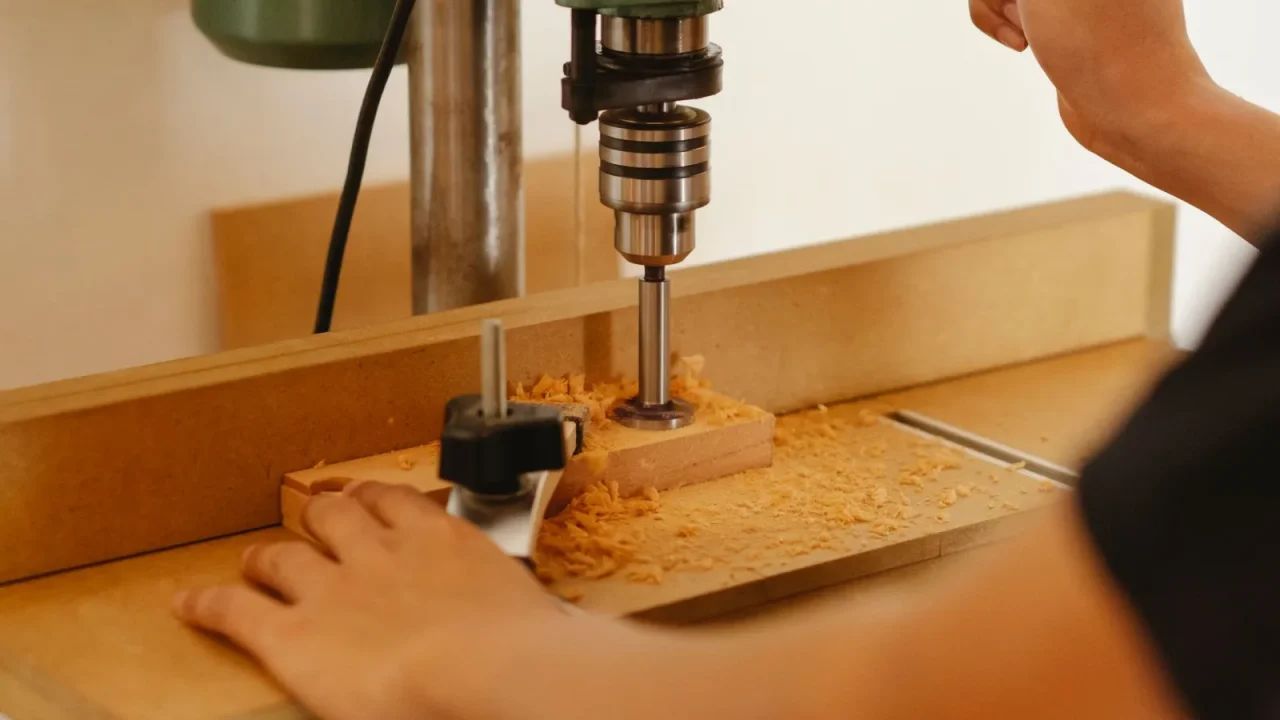
Most affordable furniture is not solid wood. It is particleboard, medium-density fiberboard (MDF), or plywood, made by pressing wood fibers together with resin glue.
Many of those glues are urea-formaldehyde based. The resin is cheap, strong, and cures fast, which is exactly why manufacturers love it.
The catch is that the bond is not perfectly stable. Over time, and especially when the material is warm or damp, the resin slowly releases free formaldehyde gas back into the air. That is the odor you smell.
The more raw pressed-wood surface a piece has, especially unsealed edges and the backs of panels, the more formaldehyde it can give off. Solid wood and metal furniture emit little to none.
Formaldehyde is not just an annoyance. The EPA’s indoor air quality pages list it as a known respiratory irritant, and higher exposures are linked to headaches, scratchy throats, and worse symptoms for people with asthma. If you want the wider picture, this fits into the same family of issues covered in What Are VOCs in the Home and Why They Matter, though formaldehyde deserves its own attention.
How long the off gassing actually lasts

This is where people get anxious, so let me be straight with you. Emissions are highest when the furniture is brand new, then drop off over time.
The sharpest release usually happens in the first few weeks to a few months. After that, levels fall steadily, but low-grade off gassing can continue for a year or more with cheaper board and heavy sealing.
Heat and humidity do not just make the smell worse. They physically speed up the chemical release, which means a warm, aired-out room finishes off gassing faster than a cool sealed one.
That last point is the key that most guides skip. You can either let furniture off gas slowly for months in normal room conditions, or you can push it to release faster and get it over with. The steps below do the second.
How to speed off gassing and lower your exposure, step by step
Before you start: do this work in a space you can ventilate and, ideally, keep separate from where you sleep. A garage, a spare room, or a covered porch is perfect for the first stretch. Give yourself a week or two if you can.
Step 1: Unbox and unwrap everything early
Sealed plastic wrap traps formaldehyde against the surface, so the gas has nowhere to go. Cut it all off the moment the furniture arrives, even if you are not ready to assemble.
Assembling the piece also helps, because it exposes the raw inner panels and edges that emit the most. The more surface area breathing, the faster it clears.
Step 2: Air it out with real airflow
Ventilation is your most powerful free tool. Open windows and put a box fan in the room, pointed to push indoor air out, so you are pulling fresh air across the furniture.
A few hours a day for a week makes a real difference. If weather allows, cross-ventilate two windows on opposite walls for a genuine breeze.
If you can safely leave a new dresser in the garage or on a shaded porch for 3-5 days with good airflow before it comes indoors, you will skip the worst of the emissions entirely.
Step 3: Warm the room on purpose
Since heat accelerates release, a warm room off gasses faster. Nudge the thermostat up to 75-80 F for a few days while ventilating, then air it out.
This is sometimes called “bake out.” You warm the material to drive the gas out, then flush it with fresh air. Do not seal the room and trust heat alone, because you would just be concentrating the gas you are trying to remove.
Step 4: Manage humidity
Moisture in the air breaks down urea-formaldehyde bonds and increases emissions, so keeping humidity moderate helps. Aim for roughly 40-50 percent relative humidity.
A small dehumidifier in a damp basement or humid summer room does double duty here. It slows the emission rate and keeps you more comfortable while the furniture finishes.
Step 5: Seal raw edges if the piece is a persistent offender
If a cheap cabinet or bookshelf keeps smelling weeks later, seal the exposed particleboard. A water-based polyurethane or a product labeled low-VOC forms a barrier that traps much of the remaining gas.
Focus on unfinished backs, drawer interiors, and cut edges. This is the same trick cabinet installers use on the raw undersides you never see.
Do not put a brand-new pressed-wood crib, changing table, or toddler dresser straight into a closed nursery. Babies breathe faster and are more sensitive, so off gas that furniture in another room first and ventilate the nursery well before use.
Step 6: Support the process with filtration
Standard HEPA filters trap particles, not gases, so a plain air purifier will not remove formaldehyde on its own. You need a unit with a substantial activated carbon or charcoal stage, which adsorbs the gas molecules.
Treat filtration as a helper, not a fix. Airflow and time do the heavy lifting; carbon just cleans up what is still floating around.
How to buy furniture that off gasses less from the start
The easiest exposure to avoid is the one that never enters your home. When you shop, the label matters more than the price tag.
| What to look for | Why it helps |
|---|---|
| TSCA Title VI or CARB Phase 2 compliant | US and California limits that cap formaldehyde in composite wood |
| Solid wood or metal construction | Little to no formaldehyde resin used |
| “No added formaldehyde” (NAF) glues | Uses soy or MDI resins instead of urea-formaldehyde |
| GREENGUARD Gold certification | Independently tested for low chemical emissions |
You can check current requirements on the EPA formaldehyde program page, which explains the TSCA Title VI rules for composite wood products sold in the US.
- Unbox and assemble as early as possible
- Ventilate hard for the first week or two
- Keep the room warm during bake out, then flush with fresh air
- Hold humidity near 40-50 percent
- Seal raw particleboard edges on stubborn pieces
- Use a carbon-based purifier as backup, not the main plan
Putting it into practice this week
If you just brought home a new piece and the smell is bothering you, start with the two free moves that matter most: unwrap everything and get air moving through the room. Those alone will cut what you breathe in the first crucial days.
From there, layer in warmth, sensible humidity, and edge sealing only where a piece keeps acting up. A cheap hygrometer, or a monitor if you already track your air, will show you the room drying and clearing as you go.
Most new furniture becomes a non-issue within a few weeks of deliberate off gassing. Give it fresh air and a little patience, and that chemical hallway smell fades for good.
Frequently asked questions
How long does formaldehyde off gas from new furniture?
The strongest emissions happen in the first few weeks to a few months, when the furniture is brand new. After that, levels drop steadily, though low-level off gassing can continue for a year or more with cheap pressed wood. Warm, well-ventilated rooms finish faster, while cool, sealed, humid spaces stretch the process out much longer.
Is the formaldehyde smell from new furniture dangerous?
At typical home levels the main effects are irritation: watery eyes, a scratchy throat, headaches, and worse symptoms for people with asthma or allergies. It is not something to panic over, but it is worth reducing, especially for babies and anyone with breathing issues. Ventilating the furniture before regular use lowers exposure quickly and easily.
Will an air purifier remove formaldehyde?
Only if it has a real activated carbon or charcoal stage. Standard HEPA filters capture particles, not gases, so a particle-only purifier will not touch formaldehyde. Look for a unit with a substantial carbon filter, and treat it as a helper alongside ventilation rather than a standalone solution. Airflow and time still do most of the work.
Does heating a room really speed up off gassing?
Yes. Heat increases the rate at which formaldehyde resin releases gas, so a warm room clears faster. The trick is to warm the space to around 75-80 F for a few days, then ventilate hard to flush the released gas out. Never just seal a hot room, because that only concentrates the formaldehyde you are trying to remove.
How do I buy furniture that off gasses less?
Choose solid wood or metal when you can, since they use little or no formaldehyde glue. For composite pieces, look for labels like TSCA Title VI or CARB Phase 2 compliant, no added formaldehyde (NAF) resins, or GREENGUARD Gold certification. These indicate the product was made or tested to emit far less than standard particleboard and MDF.

Dharm Solanki
Dharm Solanki spends a lot of time thinking about the air inside people's homes, usually when no one else is. He writes about humidity, ventilation, and dehumidifiers, along with the small fixes that turn a stuffy or damp room into one that feels comfortable again. He would rather explain why a recommendation works than just point at a product, so his guides tend to answer the question you were about to ask next. And if something looks great on paper but struggles in a normal house, he says so.