On this page
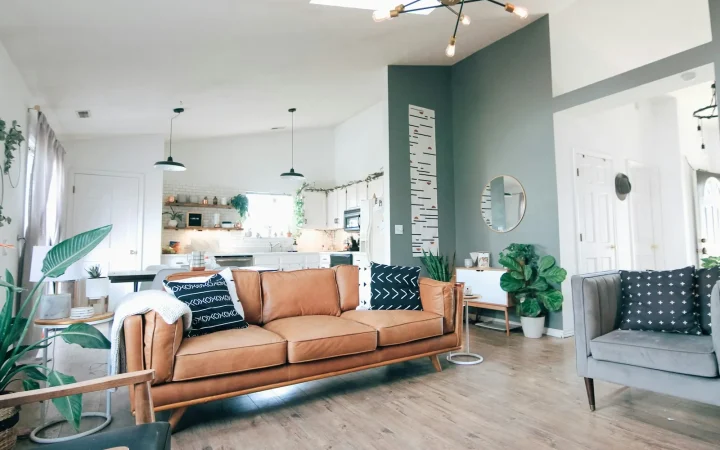
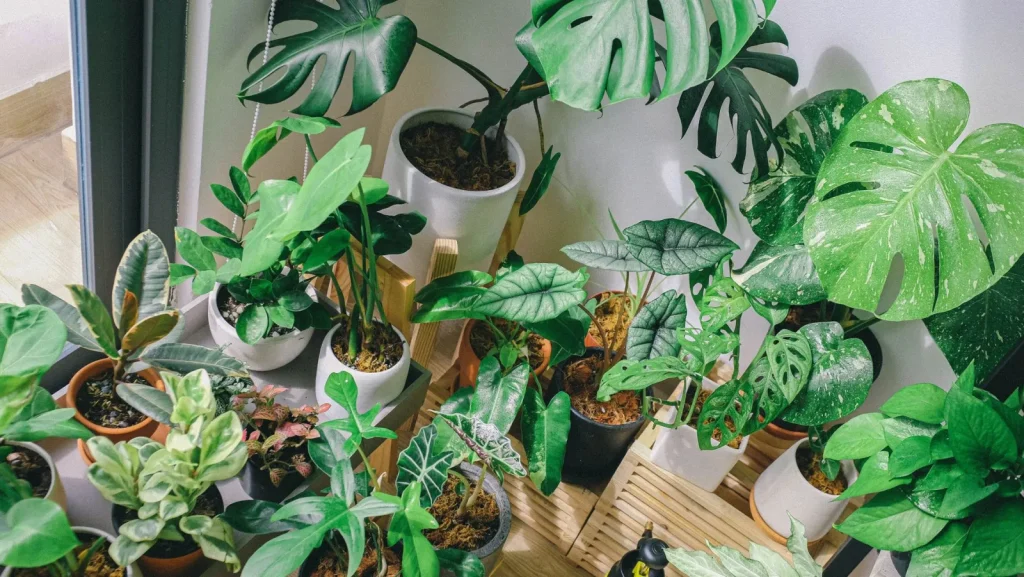
A reader once emailed me a photo of her living room with 22 pothos plants crowded onto shelves, windowsills, and a repurposed bookcase. She wanted to know why her cheap air quality monitor still flashed a mediocre reading every time she cooked. The short answer was that the plants were lovely and the plants were not the fix.
The idea that houseplants clean indoor air is one of the stickiest beliefs in home wellness. It comes from a real experiment with a real space agency behind it. The problem is the distance between what that experiment measured and what happens in your actual home.
The myth in one sentence
The popular claim goes like this: a few well-chosen houseplants will meaningfully scrub toxins, VOCs, and pollutants out of the air in your rooms. Buy a snake plant, breathe easier.
It sounds plausible. Plants take in gases, plants release oxygen, so plants must be cleaning up the mess we make indoors. The logic skips a step, and that missing step is where the myth lives.
Where the claim came from: the 1989 NASA study
The source everyone cites is a 1989 study by NASA researcher B.C. Wolverton. NASA was studying how to keep air breathable inside sealed space habitats, which is a genuinely hard problem when you cannot just open a window.
Researchers put single plants into small sealed chambers, injected a known amount of a chemical like benzene or formaldehyde, and measured how fast the concentration dropped. Some plants did lower those levels over hours and days. That part is true and repeatable.
The NASA chambers were sealed boxes roughly the size of a small closet with no fresh air coming in. Your home is not a sealed box. It leaks, breathes, and exchanges air with outdoors constantly.
That difference matters more than any plant species you could pick. In a sealed chamber, a pollutant has nowhere to go except into the plant, the soil microbes, and the chamber surfaces. In a real room, air is already moving out through gaps, ducts, and open doors faster than a plant can process it.
The reality: the math does not scale to a real room
In 2019, two researchers, Cummings and Waring, re-examined the plant studies using a metric that actually applies to buildings: clean air delivery rate, the same yardstick used to rate air purifiers. They asked how many plants you would need to match the natural air exchange already happening in a normal room.
The answer was not two or three. Depending on the study, it landed somewhere between 10 and 1,000 plants per square meter of floor space.
For a modest 150 square foot bedroom, the low end of that range is still well over 100 plants. You would run out of floor before you ran out of formaldehyde.
Normal ventilation, even the slow accidental kind in a drafty house, moves and dilutes pollutants far faster than a shelf of greenery ever could. That is not a knock on plants. It is just the scale of the job.
Why a small effect gets lost
Plants do remove trace amounts of some gases. But that removal is tiny next to the pollutants pouring in from cooking, cleaning products, new furniture, and outdoor air sneaking inside. If you have looked into Common Indoor Air Pollutants Found at Home, you already know how many sources are competing at once.
A rate that is real but tiny, swamped by sources that are large and constant, adds up to a change you will never see on a monitor.
What houseplants genuinely do
I do not want to talk anyone out of their plants. I have a fiddle leaf fig I am irrationally proud of. Plants earn their place, just not as air scrubbers. Here is the honest list.
- They add a small amount of humidity through transpiration, which can help a dry winter room feel less harsh.
- They release a little oxygen, though the amount is trivial compared to what an open window delivers.
- They reduce a few VOCs at a rate too small to measure in a lived-in room.
- They make people calmer and happier, and there is decent research on the mental health side.
- They cover soil and pots, which, if overwatered, can quietly become a new problem.
Chronically damp potting soil grows mold, and mold releases spores into the air you breathe. A row of overwatered plants can add allergens rather than remove them. If soil smells musty or you see fuzzy growth, let it dry out or repot.
Myth versus reality, side by side
| The claim | What actually happens |
|---|---|
| Plants clean the air in your rooms | They remove trace gases at a rate too small to matter in a ventilated space |
| NASA proved it works at home | NASA tested sealed chambers for spacecraft, not open rooms |
| A few plants replace an air purifier | You would need 10 to 1,000 plants per square meter to compete |
| More plants always means cleaner air | More pots means more damp soil and more mold risk if overwatered |
| Plants add meaningful oxygen | The oxygen boost is negligible next to normal air exchange |
What actually moves the needle
If your goal is genuinely cleaner indoor air, the tools that work are unglamorous and well proven. None of them photosynthesize.
Ventilation comes first. Opening windows when outdoor air is decent, running a bathroom or kitchen exhaust fan, and using a range hood while cooking will out-clean any plant collection in minutes. The U.S. EPA’s guidance on indoor air quality puts source control and ventilation at the top for good reason.
Filtration comes next. A portable air purifier with a true HEPA filter, or a good furnace filter, physically pulls particles out of the air. If you want to understand what those filters catch, our pieces on HEPA Filters Explained and MERV Filter Ratings Explained for Homeowners cover the specifics.
Reducing pollution at the source beats removing it later. A range hood vented outdoors during cooking does more for your air in ten minutes than 20 plants do in a month. If you cook a lot, that is the upgrade worth making.
For gases specifically, like the fumes off new furniture or fresh paint, the fix is airing the room out and letting materials off-gas, not parking a plant next to them. The U.S. Department of Energy’s Energy Saver resources explain how balanced ventilation keeps that fresh air coming without wasting heat.
So should you toss the plants
Not at all. Keep them for the reasons that hold up: they look good, they lift your mood, and a few of them nudge humidity in a helpful direction. Just do not assign them a job they cannot do.
If you actually want to know whether your air is improving, measure it. A basic monitor will show you what cooking, ventilation, and filtration each do in real time, and it will show you that adding a tenth plant changes almost nothing. Pair honest expectations with a window, a fan, and a filter, and your air gets better. The plants can just be plants.
Frequently asked questions
Was the NASA houseplant study fake?
No, the 1989 study was real and its measurements were sound. The issue is how it gets quoted. NASA tested single plants in small sealed chambers to solve air problems on spacecraft. Those results do not transfer to open rooms that already exchange air with the outdoors, so the removal rates look far larger in a box than they ever could at home.
How many plants would I actually need to clean a room's air?
A 2019 review found you would need roughly 10 to 1,000 plants per square meter of floor space to match the air cleaning that normal ventilation already provides. For a small bedroom, that is well over 100 plants. At that point you have a greenhouse, not a bedroom, and a simple open window still does more.
Do any houseplants remove VOCs or formaldehyde at home?
Plants do absorb trace amounts of some gases, but the rate is so small in a real, ventilated room that a monitor will not register it. Sources like new furniture, paint, and cleaning products release far more than a shelf of plants can take up. Airing the room out handles VOCs far more effectively than greenery.
Can houseplants make my indoor air worse?
They can, if you overwater them. Constantly damp potting soil grows mold, and that mold releases spores into your air, which is a problem for anyone with allergies or asthma. If soil smells musty or shows fuzzy growth, let it dry, repot it, or water less. Healthy, well-drained plants do not cause this.
What should I use instead of plants to clean indoor air?
Focus on ventilation and filtration. Open windows when outdoor air is decent, run exhaust fans, and use a range hood while cooking. A true HEPA air purifier or a good furnace filter physically removes particles. Controlling pollution at the source, like venting cooking smoke outdoors, beats trying to remove it after it spreads.

Dharm Solanki
Dharm Solanki spends a lot of time thinking about the air inside people's homes, usually when no one else is. He writes about humidity, ventilation, and dehumidifiers, along with the small fixes that turn a stuffy or damp room into one that feels comfortable again. He would rather explain why a recommendation works than just point at a product, so his guides tend to answer the question you were about to ask next. And if something looks great on paper but struggles in a normal house, he says so.