On this page
Walk down almost any basement stairs and you can smell it before you reach the bottom. That damp, earthy, slightly sweet odor that clings to boxes and old furniture. Most people call it the “old house smell” and stop thinking about it.
It is not old age. It is chemistry.
That musty basement smell is a group of compounds called microbial volatile organic compounds, released by mold and mildew as they digest damp materials. Your nose is a surprisingly good moisture detector, and it is telling you water is getting in somewhere. The good news is that the smell is fixable once you treat the cause instead of masking it.
Why your basement smells the way it does
Mold spores are everywhere, floating in the air of every home on the planet. They only wake up and grow when they land on something damp with a food source, and a basement gives them both.
Concrete, wood framing, cardboard boxes, drywall paper, and carpet padding all hold moisture. When relative humidity in a basement climbs past 60 percent, those materials stay damp enough for mold to feed and multiply. As it grows, it off-gasses, and that gas is the smell.
The earthy note comes mostly from a compound called geosmin, the same one that makes fresh soil and beets smell the way they do. So when your basement smells “like dirt,” that is not a coincidence.
If you can smell musty air, the moisture problem is already active. Odor is a lagging indicator, so by the time it reaches your nose, mold has been growing for a while.
Step 1: Measure before you assume
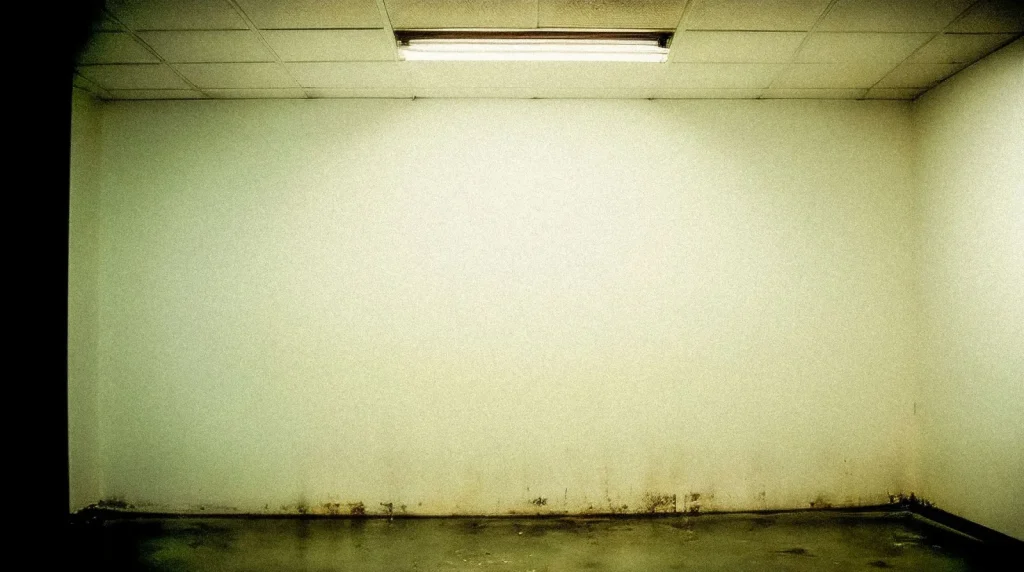
Before you buy anything or start scrubbing, put a number on the problem. A cheap hygrometer costs $10 to $20 and tells you the relative humidity down there.
Take readings in a few spots over a couple of days, morning and evening. A dry, healthy basement sits between 30 and 50 percent RH. Anything consistently above 60 percent is mold territory, and you have found your first clue.
The EPA’s guidance on mold and moisture is blunt about this: control the moisture and you control the mold. There is no shortcut around that order of operations.
Set the hygrometer near the floor and in the corner farthest from the stairs. Cold, still air pools in those spots, and that is usually where humidity and odor concentrate.
Step 2: Track down where the water comes from
Musty air always has a water source. Sometimes it is dramatic, and sometimes it is a slow whisper of moisture you would never notice without looking. Walk the space with a flashlight and check these in order.
Obvious water entry
Look for staining, efflorescence (that white chalky crust on concrete), and dark patches at the base of walls. These point to water seeping through the foundation or up through the slab. After heavy rain, come down and look for damp streaks or actual puddling.
Plumbing and appliances
Check under the water heater, around the washing machine hookups, and along any condensate line from your furnace or AC. A slow drip can keep a patch of floor wet indefinitely. A mistake I see all the time is homeowners chasing a wall smell when the real culprit was a sweating pipe six feet away, dampening the subfloor.
Condensation
In summer, warm humid air hits cool basement walls and floors and condenses, just like a cold glass sweats. This is invisible moisture, and it is a huge contributor to musty air. If your walls feel damp but you have had no rain, condensation is likely the driver. Our piece on damp basement causes and fixes goes deeper on sealing and drainage if the water entry is structural.
Do not rule out a source just because the spot looks dry today. Porous concrete and wood can dry on the surface between wet cycles while staying damp inside, feeding mold the whole time.
Step 3: Find the hidden mold and the smelly materials
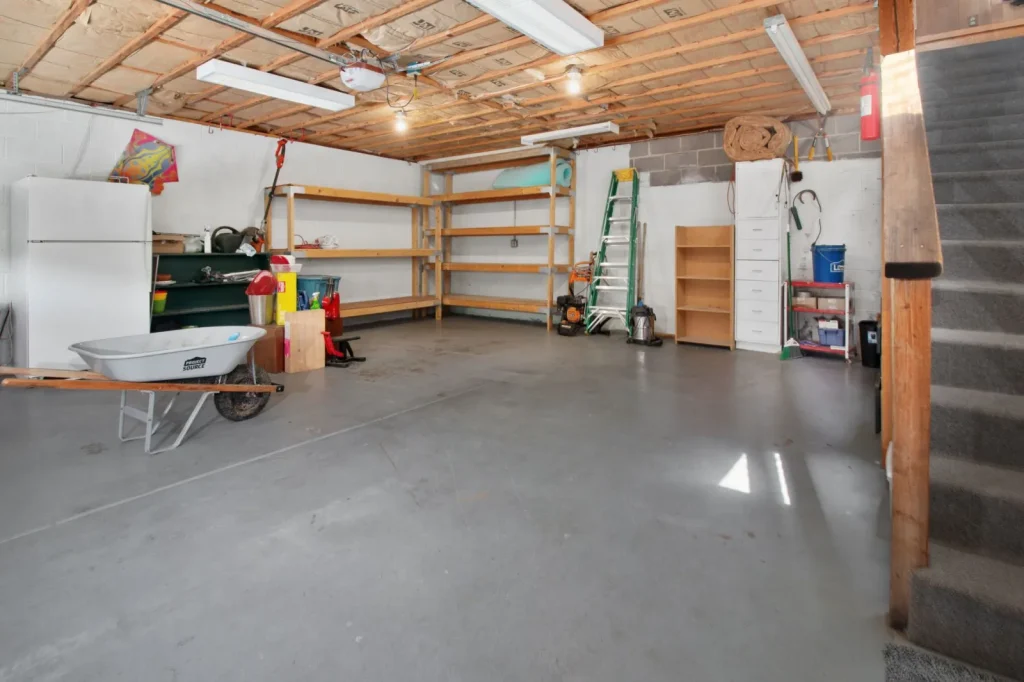
Sometimes the water is handled but the smell lingers because something porous soaked it up and became a permanent mold factory. These are the usual offenders:
- Cardboard boxes sitting directly on concrete
- Old carpet and the foam padding underneath
- Upholstered furniture and mattresses in storage
- Stacks of paper, books, and fabric
- Drywall that wicked up water along its bottom edge
Pull items away from the walls and smell them individually. When you find the source, it is unmistakable. Carpet padding is often the worst, because it holds water like a sponge and dries slowly. Once a porous item has grown mold through it, cleaning rarely wins, and tossing it is cheaper than fighting it.
Step 4: Dry the air and hold it there
Here is where you break the cycle for good. Mold cannot grow without moisture, so the whole game is getting and keeping the air dry.
A dehumidifier is the main tool. For a typical damp basement, a 30 to 50 pint unit handles most spaces, though a large or very wet basement may need a 50 pint or a whole-house model tied into your HVAC. Sizing matters more than people expect, and running an undersized unit is a common reason the smell never fully clears.
The target number is 50 percent relative humidity or below. Hit that consistently and mold growth simply stops.
Set the dehumidifier to maintain around 45 to 50 percent RH and let it run. Most modern units have a built-in humidistat, so you set the number and walk away. If you are weighing a small portable against a permanent solution, the related topics on portable versus whole house dehumidifiers and sizing a dehumidifier by pints are worth a look.
Run a hose from the dehumidifier to a floor drain if you have one. Emptying a bucket twice a day gets old fast, and a full bucket means the unit shuts off and humidity creeps back up.
Step 5: Clean what is left and clear the odor
Drying the air stops new growth, but existing mold and the materials it lives in still need attention.
For hard surfaces like concrete, sealed wood, and finished walls, scrub with a detergent solution and let them dry completely. The CDC’s mold cleanup guidance notes that soap and water handle most household mold on non-porous surfaces, and you do not need harsh chemicals for a small area. Wear an N95 mask and gloves.
For porous items that soaked through, the honest answer is to discard them. You cannot fully clean mold out of foam, cardboard, or waterlogged drywall.
Once surfaces are clean and dry, air movement finishes the job. Run a fan, crack a window on a dry day, and give the space time. An activated charcoal bag or an air purifier can absorb lingering odor molecules while the deep smell fades over a week or two.
Keeping the smell from coming back
The test of a real fix is simple: does the smell return? If it comes back within a few days of cleaning, you missed the water source, so go back to step two.
Keep the dehumidifier running through the humid months, store boxes on shelves off the floor, and check your hygrometer once a week out of habit. Seal foundation cracks and make sure gutters carry rainwater well away from the house.
A dry basement does not smell like anything at all. When you stop noticing your basement, you have won.
Frequently asked questions
Can I just use an air freshener or ozone to get rid of the musty smell?
Air fresheners only mask the odor, and it returns as soon as they fade because the mold is still growing. Ozone generators can neutralize smells temporarily but do nothing about the moisture feeding the problem, and ozone is harmful to breathe. The only lasting fix is drying the air below 50 percent relative humidity and removing the moldy materials producing the smell.
Is a musty basement smell dangerous to my health?
It can be. The odor comes from mold, and mold exposure can trigger allergy symptoms, coughing, congestion, and asthma flare-ups, especially in sensitive people. It is rarely an emergency, but you should not ignore it. Treating the moisture protects both your home and the air you breathe throughout the house, since basement air rises into living spaces.
How long does it take for the smell to go away after I fix the moisture?
Once you drop the humidity and clean or remove the moldy materials, most of the strong odor clears within a few days. Deep smells absorbed into concrete or wood can take one to two weeks of dry conditions and good airflow to fully fade. Running a dehumidifier and a fan continuously speeds this up considerably.
Will a dehumidifier alone fix a musty basement?
A dehumidifier is the core of the fix, but it works best combined with the other steps. If a pipe is leaking or water is entering through the foundation, a dehumidifier fights a losing battle against the incoming moisture. Find and stop the water source first, remove any soaked porous items, then let the dehumidifier hold the air at 45 to 50 percent.
Why does my basement only smell musty in summer?
That is a classic sign of condensation. In summer, warm humid outdoor air enters and hits your cool basement walls and floor, condensing into moisture just like a cold drink sweats. This dampness feeds mold seasonally. A dehumidifier running through the warm, humid months usually solves a summer-only musty smell without any structural work.

Dharm Solanki
Dharm Solanki spends a lot of time thinking about the air inside people's homes, usually when no one else is. He writes about humidity, ventilation, and dehumidifiers, along with the small fixes that turn a stuffy or damp room into one that feels comfortable again. He would rather explain why a recommendation works than just point at a product, so his guides tend to answer the question you were about to ask next. And if something looks great on paper but struggles in a normal house, he says so.