On this page
The first time I helped a family seal a house against wildfire smoke, the outdoor air was reading close to 300 on the AQI scale and the sky looked like weak coffee. They had two air purifiers still in their Amazon boxes and no idea which room to put them in. We got it sorted in about an hour, but that hour taught me that most people have the right instincts and the wrong order of operations.
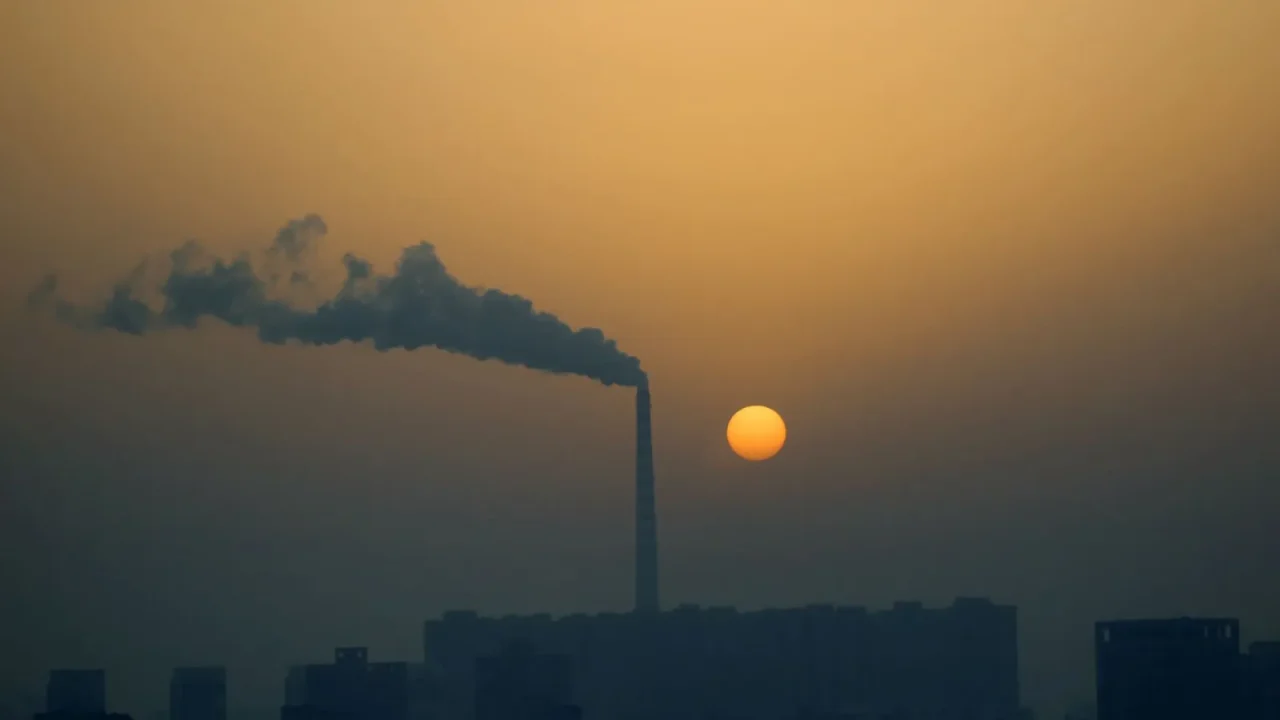
Wildfire smoke is not like the puff of grease particles from a hot skillet. It arrives in waves, lasts for days, and pushes fine particles (PM2.5) through every gap in your home whether you are cooking or not.
This is a fast, emergency-focused plan. Work top to bottom and you will have cleaner air by the end of the afternoon.
Seal first, filter second, retreat to a clean room third. Buying gear before you seal is like bailing a boat without plugging the hole.
Step 1: Seal the house before the smoke settles in
Your home already leaks air. On a normal day that is fine. During a smoke event, every leak is a doorway for particles that irritate lungs, eyes, and sinuses.
Start with the big openings. Close and latch all windows, and check that any window that has been cracked for months is fully shut.
Kill the outdoor-air intakes
This is the step people miss. If your HVAC system pulls in fresh outdoor air, or you run an ERV or HRV, that equipment is actively piping smoke inside.
Set your thermostat fan to “on” or “circulate,” not “auto with fresh air,” and close the outdoor-air damper if your system has one. Turn off whole-house fans and attic fans completely. Shut down bathroom and kitchen exhaust fans too, since they create negative pressure that sucks smoky air in through every crack.
Do not seal a home so tightly that a gas furnace, water heater, or fireplace cannot vent safely. Combustion appliances need makeup air. If you smell gas or feel headachey, that is a carbon monoxide risk, not smoke, and you open up and get out.
Block the small gaps
Door thresholds and older window frames are the usual culprits. A rolled towel at the base of an exterior door works in a pinch, and painter’s tape over an obviously leaky window seam buys you cleaner air for a few dollars.
- Windows closed and latched, curtains help a little with radiant heat
- Exterior door gaps blocked with towels or weatherstripping
- HVAC fresh-air intake or damper closed
- ERV, HRV, and whole-house fan powered off
- Bathroom and kitchen exhaust fans off during the worst hours
- Fireplace damper closed if the fireplace is not in use
Step 2: Run the right filtration for indoor air wildfire smoke
Once the house is sealed, you are trapping the air you have. Now you clean it. A true HEPA purifier is the workhorse here because smoke particles are tiny, often below one micron, and HEPA media is rated to catch them.
Size the purifier to the room using its CADR (clean air delivery rate). A rough guide: aim for a smoke CADR at least two-thirds of the room’s square footage. A 200-square-foot bedroom wants a smoke CADR around 130 or higher.
One properly sized purifier in the room where people actually sit beats a single large unit stranded in a hallway with the doors closed.
Run it on high for the first hour to knock the level down, then drop to medium so it is quiet enough to live with. If you own an indoor air quality monitor, watch the PM2.5 number fall. Seeing it drop from 90 to under 12 is the moment people relax.
Upgrade your HVAC filter if you can
If your central system is recirculating (intake closed, fan circulating), swap in the highest-rated filter your system tolerates, usually a MERV 13. That will not replace a HEPA unit, but it scrubs the air every time the fan runs and costs about $20-30. If you have read our piece on MERV filter ratings, a 13 is the sweet spot for smoke without choking most residential blowers.
Step 3: Build a box fan filter when you are short on purifiers
Purifiers sell out fast during a bad fire season. The DIY box-fan filter is a genuinely effective backup, and public health agencies have tested versions of it. The EPA’s indoor air pages cover the safety notes worth reading first.
The simplest version costs about $40 and takes ten minutes.
- Buy a 20-inch box fan and one 20×20 MERV 13 furnace filter.
- Find the airflow arrow on the filter and point it so air flows into the fan.
- Tape the filter flat against the back (intake side) of the fan with duct or painter’s tape, sealing all four edges so no air sneaks around it.
- Run the fan on medium or high with the filter drawing air through it.
A single flat filter strains the motor a little. If you want more airflow and less strain, build a five-sided “Corsi-Rosenthal” cube from four or five filters and a cardboard base. It moves far more air and runs cooler.
Use a newer box fan with a fused plug if possible, never leave any fan-filter running unattended overnight, and keep it away from bedding. Older motors can overheat when airflow is restricted.
Step 4: Set up a clean room the family can retreat to
You will not keep a whole house pristine during a multi-day event, so pick one room and make it the safe zone. This is where kids, older adults, and anyone with asthma or heart trouble should spend most of the smoky hours.
Choose the smallest bedroom with the fewest windows and no fireplace. A smaller sealed volume is faster to clean and easier to hold.
| Clean room feature | Why it matters |
|---|---|
| Small room, few windows | Less air volume and fewer leaks to clean and seal |
| One sized HEPA purifier or box-fan filter | Keeps PM2.5 low in the space people actually occupy |
| Door kept closed, gap blocked | Stops smoky hallway air from mixing back in |
| No cooking, candles, or vacuuming inside | Adds particles the filter then has to fight |
| Portable fan for comfort, not exhaust | Keeps air moving without pulling smoke from outside |
Avoid anything that adds particles indoors. Frying food, burning candles, and vacuuming all spike PM2.5, the same way they do in our guide on reducing PM2.5 from cooking. During a smoke event, eat simple meals and hold off on the vacuum.
Knowing when it is safe to open up again
Smoke clears in fits and starts. Check a trusted outdoor source like AirNow alongside your indoor monitor before you throw the windows open.
Wait until the outdoor AQI drops into the “good” range (under about 50) and stays there for a few hours, not just a brief dip. Then air the house out on a cooler part of the day and give your purifiers a run to reset.
If you can smell smoke inside or your monitor reads PM2.5 above 12, keep filtering. Your nose is a decent early-warning tool, but a $60 monitor removes the guesswork.
One more practical note. Stock a few extra MERV 13 filters and a spare box fan before fire season starts, because the week the smoke rolls in is the week every store is sold out. I keep two filters in a closet from May onward, and I have never regretted it.
Seal the house, filter the air you trapped, build a backup fan if purifiers are gone, and give your family one clean room to breathe easy in. That order works whether the smoke lasts an afternoon or a week.
Frequently asked questions
Can wildfire smoke really get inside a closed house?
Yes. Even a well-built home exchanges air through door gaps, window frames, outlets, and HVAC intakes. Fine smoke particles are small enough to ride that airflow indoors. Sealing gaps and shutting off outdoor-air intakes slows the entry sharply, and running a HEPA purifier removes what still gets through. You will not achieve zero indoors, but you can keep levels far lower than outside.
Does a box fan with a furnace filter actually work against smoke?
It does, and public health researchers have measured its effect. A 20-inch box fan taped to a MERV 13 filter pulls air through media that captures a large share of PM2.5. It is not as efficient as a certified HEPA purifier, but for about $40 it meaningfully lowers particle levels in a small room. A four-filter cube version works even better.
Should I run my central air conditioning during a smoke event?
You can, but only if the system is recirculating indoor air and not pulling in outdoor air. Close any fresh-air intake or damper, set the fan to circulate, and install the highest MERV filter your system allows, usually MERV 13. That way the blower scrubs your indoor air repeatedly instead of importing smoke from outside.
How do I know when the air is clean enough to open the windows?
Check a source like AirNow for your local outdoor AQI and wait until it falls into the good range, roughly under 50, and holds there for a few hours. Cross-check with an indoor monitor reading PM2.5 under about 12. A brief dip is not enough, since smoke often returns. When both agree and you cannot smell smoke inside, air the house out.
Do I need an N95 mask if I am indoors with the windows sealed?
Usually not, if your clean room is well filtered and the outdoor air is only moderately smoky. During very heavy smoke or if you have to move through unfiltered parts of the house, a properly fitted N95 helps, especially for people with asthma or heart conditions. Cloth and surgical masks do little against fine smoke particles.

Dharm Solanki
Dharm Solanki spends a lot of time thinking about the air inside people's homes, usually when no one else is. He writes about humidity, ventilation, and dehumidifiers, along with the small fixes that turn a stuffy or damp room into one that feels comfortable again. He would rather explain why a recommendation works than just point at a product, so his guides tend to answer the question you were about to ask next. And if something looks great on paper but struggles in a normal house, he says so.