
On this page
- Before you start: what a bedroom actually needs
- Step 1: Pick a quiet unit and the right mist type
- Step 2: Size it to the room, not the shelf
- Step 3: Place it 3 feet away and up off the floor
- Step 4: Set a humidistat or timer so it stops in time
- Step 5: Clean it every morning, deep clean weekly
- Putting it all to bed
The complaint I heard most often on service calls in winter was never about the furnace. It was the sore throat, the cracked lips, the cough that showed up around 3 a.m. and vanished by breakfast. That is dry overnight air doing its quiet work while you sleep.
A humidifier fixes it, but a bedroom is a fussy place to run one. You are lying still for eight hours a foot or two away from the mist, so noise, humidity creep, and cleanliness all get magnified. Here is how to set one up so it helps you rest instead of keeping you up.
Before you start: what a bedroom actually needs
Running a humidifier at night is a different job than running one all afternoon in a living room. You want steady, low-key output that holds a comfortable level and then backs off, not a machine racing to flood the room.
Three things decide whether it works: the humidity target you hit, how quiet the unit is, and where you put it. Get those right and the rest is maintenance.
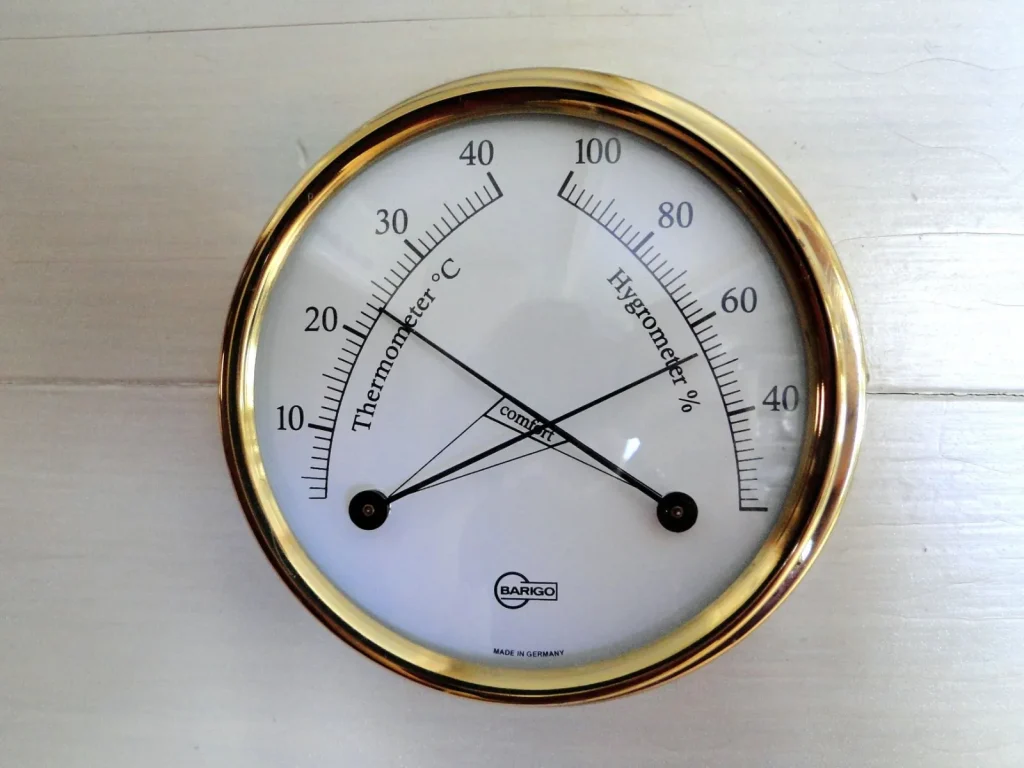
Target 40-50 percent relative humidity in the bedroom. Below 30 percent your sinuses and skin dry out; above 55 percent you invite condensation on windows and, eventually, mold.
Step 1: Pick a quiet unit and the right mist type
Noise is the deal-breaker most people ignore until night two. A humidifier that reads as a gentle hush in a bright kitchen can sound like a garden hose in a dark, silent bedroom.
Ultrasonic models are the quietest, usually around 25-35 decibels, because they vibrate water into mist instead of blowing air through a wet wick. Evaporative units have a fan, so they hum a bit louder. If you are weighing the two, that trade shows up in our Evaporative vs Ultrasonic Humidifiers Compared coverage, but for sleep the ultrasonic edge on sound is real.
Then there is warm versus cool mist. Warm-mist units boil water, so they run near silent and add a touch of warmth, but the reservoir gets hot, which is a burn risk in a kid’s room. Cool mist is safer around children and uses less power. The Warm Mist vs Cool Mist Humidifier question comes down mostly to who is sleeping in the room.
Check for a light. Many humidifiers have a bright power LED or a glowing water tank that turns a dark bedroom into a nightclub. Look for a model with a dimmable or off-able display, or cover the light with a small piece of electrical tape.
Step 2: Size it to the room, not the shelf
An oversized humidifier in a small bedroom is a common mistake. It hits your target fast, shuts off, and then the room swings damp and dry all night as it cycles. A right-sized unit holds a steadier level.
For a typical 150-300 square foot bedroom, a tabletop humidifier with a 0.5 to 1 gallon tank usually carries you through the night without a refill. Larger primary bedrooms may want a bit more. If you want to run the numbers properly, How to Size a Humidifier for a Room walks through it.
| Bedroom size | Suggested tank | Output to look for |
|---|---|---|
| Under 150 sq ft | 0.5 gallon | Up to ~1 gallon/day |
| 150-300 sq ft | 0.5-1 gallon | 1-2 gallons/day |
| 300-500 sq ft | 1-1.5 gallon | 2-3 gallons/day |
Step 3: Place it 3 feet away and up off the floor
Where the machine sits changes how well it works and how safe it is. Too close and you wake up to a damp pillow; too far and the mist never reaches you.
Set the humidifier about 3 feet from the head of the bed and at least a foot off the floor, on a nightstand or a low dresser. Raising it helps the mist disperse and keeps the built-in humidistat from reading the cooler, damper air that pools near the floor. Keep it off wood furniture you care about, or put down a tray, because settled mist can leave a film.
Never aim the nozzle straight at the bed, the wall, or an outlet. Point it toward open room air. There is more on this in Where to Place a Humidifier in a Room.
Ultrasonic units spray minerals from tap water as fine white dust that lands on nearby surfaces and gets breathed in. Use distilled or demineralized water in the bedroom, especially in a child’s room. The EPA has clear guidance on this.
Step 4: Set a humidistat or timer so it stops in time
This is the step that separates a good night from a clammy one. Air holds less moisture as it cools, so a room that felt perfect at 11 p.m. can be dripping at 5 a.m. even though the humidifier never changed its output.
The fix is to let the machine decide when to stop. Two ways to do it:
- Built-in humidistat. Set it to 45 percent and the unit cycles off when the room hits that level, then kicks back on as it dries. This is the better option if your model has an accurate one.
- Plug-in timer or sleep mode. If your humidifier only runs on or off, put it on a timer for 4-6 hours so it shuts down in the small hours before moisture peaks.
A cheap standalone hygrometer ($10-15) is worth buying even if your unit has a sensor, because built-in sensors sit right next to the mist and read high. Put the hygrometer across the room for an honest number.
The single upgrade that fixed the most complaints was not a fancier humidifier. It was a $12 hygrometer that showed people their bedroom was actually sitting at 65 percent, not the 40 they assumed.
Step 5: Clean it every morning, deep clean weekly
A humidifier is a warm tank of standing water next to your face for a third of your life. Skip the cleaning and it will grow biofilm, then blow that into the air you breathe all night. This is the part people hate and the part that matters most for health.
The CDC and Mayo Clinic both flag dirty humidifiers as a genuine respiratory irritant, so treat this as non-negotiable, not optional.
- Every morning: pour out leftover water, rinse the tank, and leave it open to air-dry. Never let water sit all day.
- Refill with fresh distilled water each night, not topped-off old water.
- Weekly: scrub the tank and base, then disinfect with a diluted vinegar or a light bleach solution per the manual, and rinse well.
- Replace wicks and filters on the maker’s schedule, usually every 1-3 months.
- Descale the mist plate on ultrasonic units when you see mineral crust.
If daily emptying sounds like too much, that is a fair signal you might want a whole-house setup tied to your HVAC instead. The Whole House vs Portable Humidifier comparison lays out that choice.
Putting it all to bed
Start simple tonight. Fill the unit with distilled water, set it 3 feet from your bed and a foot up, aim it at open air, and dial the humidistat to 45 percent or set a 5-hour timer.
Check a hygrometer across the room in the morning. If it reads above 50 percent or your window fogged, drop the target. If your throat still feels dry, nudge it up a few points. Then rinse the tank, let it dry, and you have a routine that gives you the moisture without the mold, the noise, or the 3 a.m. cough.
Frequently asked questions
Is it safe to run a humidifier every night?
Yes, as long as you keep it clean and hold humidity around 40-50 percent. The two real risks are a dirty tank blowing bacteria into your air and over-humidifying the room, which encourages mold and dust mites. Empty and dry the tank daily, deep clean weekly, and use a hygrometer to confirm you are not sitting above 55 percent overnight.
Will a humidifier make my bedroom too damp by morning?
It can. Air holds less moisture as it cools overnight, so a level that felt fine at bedtime can climb by early morning. Use a model with a humidistat set to about 45 percent, or put a basic unit on a 4-6 hour timer so it stops before moisture peaks. A hygrometer across the room tells you the true number.
What humidity level is best for sleep?
Aim for 40-50 percent relative humidity. That range keeps your sinuses, throat, and skin comfortable without letting condensation form on windows or walls. Below 30 percent feels dry and can worsen coughs and static; above 55 percent starts to feel clammy and invites mold and dust mites over time.
Which humidifier is quietest for a bedroom?
Ultrasonic and warm-mist units are the quietest because they do not rely on a fan. Ultrasonic models typically run around 25-35 decibels, close to a whisper. Evaporative units use a fan and hum a little louder, though many people find that steady white noise soothing. Also check for a bright display light, which can disturb sleep as much as noise.
Should I use tap water or distilled water at night?
Use distilled or demineralized water, especially with ultrasonic units. Tap water contains minerals that ultrasonic humidifiers spray out as fine white dust, which settles on furniture and gets breathed in overnight. Distilled water also slows scale buildup inside the tank, so the machine stays cleaner and quieter between deep cleans.
How far should the humidifier be from my bed?
About 3 feet from the head of the bed, raised at least a foot off the floor on a nightstand. That distance lets the mist disperse into the room instead of dampening your pillow, and the height keeps the built-in sensor from reading the cooler, moister air near the floor. Never point the nozzle directly at the bed or an outlet.

Dharm Solanki
Dharm Solanki spends a lot of time thinking about the air inside people's homes, usually when no one else is. He writes about humidity, ventilation, and dehumidifiers, along with the small fixes that turn a stuffy or damp room into one that feels comfortable again. He would rather explain why a recommendation works than just point at a product, so his guides tend to answer the question you were about to ask next. And if something looks great on paper but struggles in a normal house, he says so.