
On this page
The first sign is almost never the filter itself. It is the room. You notice the humidifier hums along all evening, the tank empties like it always did, but the air still feels dry and your throat is scratchy by morning. Nine times out of ten, the culprit is a wick that has quietly turned to cardboard.
A humidifier filter, usually a paper or fabric wick in evaporative units, has one job: soak up water and give it a huge surface area to evaporate from. Once it stiffens with mineral scale, that surface area collapses. The fan keeps blowing, but far less moisture makes it into the air.
This guide covers humidifier filter replacement specifically: how to know a wick is done, how often to swap it, and how to buy the right one. That is a different job from cleaning the whole unit, and confusing the two is where a lot of people go wrong.
Before you start: know what kind of filter you actually have
Not every humidifier uses a replaceable filter. Ultrasonic and warm-mist steam units usually have no wick at all, though some ultrasonic models use a small demineralization cartridge or disc. Evaporative humidifiers are the ones built around a wick, and those are what wear out on a schedule.
If you are still deciding between types, that distinction matters for upkeep, and it comes up in our comparisons of Evaporative vs Ultrasonic Humidifiers and Warm Mist vs Cool Mist Humidifier. Wick maintenance is a real cost of evaporative units that the sticker price never shows.
Find your model number now, before the wick fails. It is usually on a label under the base or inside the tank well. Snap a photo so you can order the exact matching filter in two minutes instead of guessing later.
How to tell a wick or filter is spent
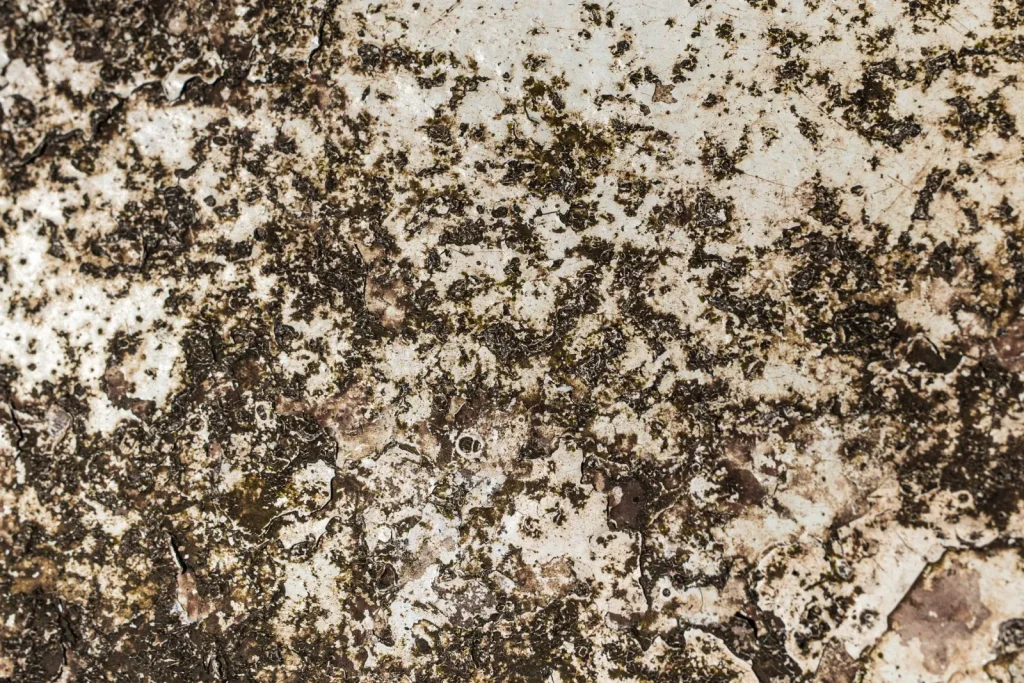
The calendar is a starting point, not the whole story. Water hardness, runtime, and air quality all push the real lifespan around. Judge the wick with your hands and your nose.
The four signs I check first
- Stiffness. A healthy wick is soft and slightly spongy. A spent one feels stiff, crusty, or crunchy from mineral buildup.
- Color. Fresh wicks are white or pale. Heavy tan, brown, or gray staining means scale and grime have taken over.
- Smell. A musty, sour, or moldy odor is a hard stop. That smell is going into your air.
- Output. If the room stays dry even at full runtime and the tank is emptying normally, the wick has likely lost its wicking ability.
Here is a mistake I saw constantly in the field. Someone would run a stiff, yellowed wick for a full season because it “still looked fine.” It was not fine. A crusted wick can drop moisture output by half or more, and it becomes a damp surface where bacteria settle in.
Do not try to scrub a paper wick back to life. The stiff outer scale you feel is fused into the fibers. Aggressive cleaning tears the wick and shortens its life further. Wicks are a replace item, not a rescue item.
How often to replace a humidifier filter
Manufacturers usually quote 1-3 months for evaporative wicks, but your real number depends on three things: water hardness, hours of use per day, and unit size. Hard water is the biggest accelerator by far.
| Your situation | Typical wick lifespan |
|---|---|
| Soft water, light use (a few hours a day) | 2-3 months |
| Average water, daily overnight use | 1-2 months |
| Hard water or near-constant winter use | 2-4 weeks |
| Demineralization cartridge (ultrasonic) | 1-2 months or per gallons treated |
If you are not sure how hard your water is, look at your kettle. Heavy white scale in the kettle means your wicks will crust up fast too. Running distilled or filtered water slows scale dramatically and can double a wick’s life.
Buy wicks two at a time and keep a spare in the drawer. A humidifier running on a dead wick is doing almost nothing useful, so a stocked spare is the difference between a five-minute swap and two weeks of dry air.
How to pick the right replacement filter
This is where money gets wasted. The single most reliable method is to match your humidifier’s model number to the manufacturer’s filter part number. Most brands print both on the wick frame or in the manual.
What to match
- Model and part number. Exact match first. A filter that is close in size but seats loosely will let water bypass it.
- Physical fit. Height, diameter, and frame shape must match so the wick sits fully in the water tray.
- Wick material. Some replacements add an antimicrobial treatment. It is a modest help, not a substitute for cleaning.
Genuine OEM filters typically run $8 to $20 each. Third-party wicks can be cheaper, and some are perfectly good, but I have seen bargain packs that were a hair too short and never wicked evenly. If you try a generic, buy one first and test the fit before committing to a multi-pack.
A filter that does not seat correctly is worse than a worn one, because you will not notice it failing until the air is already dry.
Replacing the filter, step by step
The swap itself is genuinely quick once the unit is unplugged and drained.
- Unplug the humidifier and lift off the tank.
- Pour out any standing water in the base.
- Lift out the wick and its frame. Note which way it faces; many wicks have a top marked with an arrow or seam.
- Wipe the tray and give the base a quick rinse while it is open. This is a good moment for a fuller clean, but the filter swap does not require one.
- Seat the new wick fully in its frame, oriented the same way as the old one.
- Refill, reassemble, and run it. Let a brand-new wick sit wet for about 15 minutes before you expect full output; dry paper wicks need to saturate first.
Filter replacement is not the same as cleaning
This is the distinction that trips people up. Swapping the wick handles the evaporative surface. It does nothing about the scale in the tank, the film in the base, or the pink bacterial slime that loves standing water.
You still need to descale with a vinegar or citric acid solution and disinfect the tank and base on a regular schedule, roughly weekly during heavy use. The EPA’s indoor air quality pages and CDC guidance both stress that a dirty humidifier can push mold and bacteria straight into the air you breathe. A fresh wick in a grimy tank still spreads that grime.
Never soak a paper wick in vinegar or bleach to “clean” it. Cleaning solutions belong on the hard plastic parts. The wick gets replaced, the tank gets cleaned. Keep those two jobs separate.
A simple maintenance rhythm that works
Pair the two jobs on a schedule you can actually remember. Clean the tank and base weekly during the season. Check the wick by feel every couple of weeks, and replace it the moment it turns stiff, stained, or smelly.
If you run distilled water and clean on time, you will stretch wick life and keep the air genuinely fresher. The next time the room feels dry despite a full tank, reach for the wick first. That stiff little piece of paper is usually the whole story.
Frequently asked questions
Can I clean and reuse a humidifier wick instead of replacing it?
No. The stiffness and scale you feel are mineral deposits fused into the paper fibers, and scrubbing tears the wick without restoring its ability to soak up water. Wicks are designed as a replace item. You can rinse light dust off a fairly new wick, but once it feels crusty or smells musty, replace it rather than trying to clean it back to life.
How do I know if my humidifier even has a replaceable filter?
Check the type. Evaporative humidifiers use a paper or fabric wick that you replace on a schedule. Ultrasonic and warm-mist steam units usually have no wick, though some ultrasonic models use a small demineralization cartridge. Look inside the tank well and under the base, or check your manual, to see whether a filter or cartridge is listed as a replacement part.
Does using distilled water make the filter last longer?
Yes, noticeably. Most of what kills a wick is mineral scale from hard tap water. Distilled or filtered water carries far fewer minerals, so the wick stays soft and keeps wicking longer, often twice as long. It also cuts down on white dust and reduces how often you have to descale the tank, so it saves work in two places at once.
Are generic replacement filters as good as brand-name ones?
Sometimes, but fit is everything. A good third-party wick that matches your model exactly works fine and costs less. The risk is a filter that is slightly too short or loose, so water bypasses it and output drops. If you want to try a generic, buy a single one first and confirm it seats fully and wicks evenly before ordering a larger pack.
How often should I replace the filter versus clean the whole unit?
They are separate schedules. Replace an evaporative wick roughly every 1-3 months, sooner with hard water or heavy use, judging by feel and smell. Clean the tank and base about weekly during heavy use with vinegar or citric acid to remove scale and bacteria. A new wick in a dirty tank still spreads grime, so do not let one job substitute for the other.

Dharm Solanki
Dharm Solanki spends a lot of time thinking about the air inside people's homes, usually when no one else is. He writes about humidity, ventilation, and dehumidifiers, along with the small fixes that turn a stuffy or damp room into one that feels comfortable again. He would rather explain why a recommendation works than just point at a product, so his guides tend to answer the question you were about to ask next. And if something looks great on paper but struggles in a normal house, he says so.