On this page
My grandmother kept a pan of water on top of her radiator every winter. She never called it humidity control, but that is exactly what it was. She had noticed, without any gauge, that the dry January air left her hands cracked and her nose bleeding, and the pan helped.
She was onto something. As we age, the body loses some of its built-in buffers against air that is too dry or too damp. Getting the moisture level right stops being a comfort preference and starts being a genuine health matter.
This is a broad overview of why humidity comfort for older adults deserves closer attention, and where to set the dial.
Why aging changes the humidity equation
Younger bodies forgive a lot. Skin bounces back, sinuses stay moist, and the body regulates its own temperature without much thought. Those systems quietly weaken with age, which is why the same room can feel fine to a 30-year-old and miserable to their 75-year-old parent.
Skin gets thinner and drier
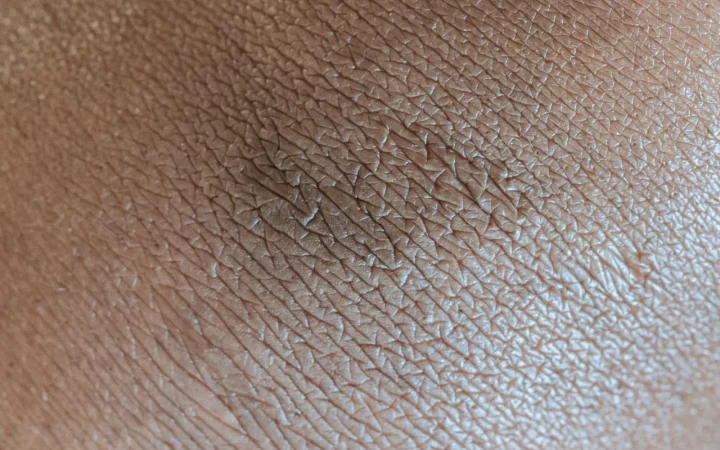
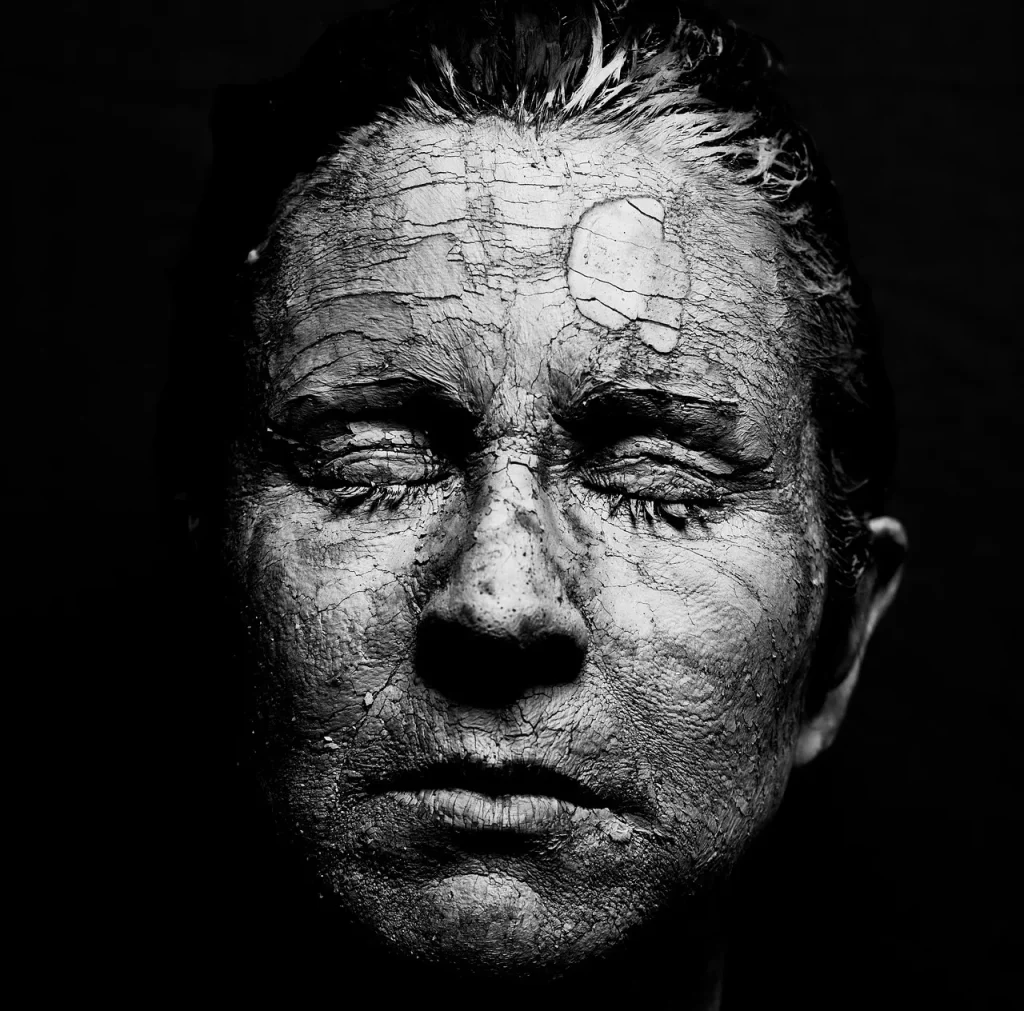
Older skin holds less water and produces less natural oil. Dry indoor air pulls moisture out faster than the skin can replace it, leading to itching, flaking, and cracks that can actually break the skin.
Those small cracks matter more than they sound. Broken skin is an entry point for infection, and older adults heal more slowly.
Breathing passages lose their moisture cushion
The nose and airways rely on a thin layer of moisture to trap dust and germs. When indoor air drops below about 30 percent relative humidity, that layer dries out, which is why dry winters bring more nosebleeds, sore throats, and stuffy mornings.
For anyone managing asthma or COPD, dry air can also make breathing feel tighter. The topic of Humidity and Sinus Problems goes deeper here, but the short version is that parched airways defend the body less well.
Temperature regulation slows down
Humidity and how warm a room feels are tied together. Damp air makes a warm room feel warmer because sweat evaporates poorly, and older adults are more prone to overheating on humid days because their bodies sweat and cool less efficiently.
The reverse is true in winter. Dry air feels colder at the same thermostat setting, so people crank the heat, which dries the air even further and starts the cycle over.
For most older adults, target 40-50 percent relative humidity. In very cold weather, easing down to about 35 percent prevents condensation on windows without making the air feel harsh.
The target range, and why the edges matter
The comfortable band for a home is fairly narrow. Both the U.S. Environmental Protection Agency and mainstream health guidance point to keeping indoor humidity roughly between 30 and 50 percent, and for older adults I like the tighter 40-50 percent window most of the year.
Here is what happens as you drift toward each edge.
| Humidity level | What older adults tend to notice |
|---|---|
| Below 30% | Cracked skin, nosebleeds, sore throats, static shocks, worsened breathing |
| 40-50% | Comfortable skin and airways, easier breathing, fewer static jolts |
| Above 55% | Clammy feeling, dust mites and mold growth, more allergy and asthma flares |
| Above 60% | Real mold risk, musty smells, damp bedding, heavier feeling on hot days |
That upper edge is easy to forget. People worry about dry air in winter and stop thinking about moisture the rest of the year, but a damp summer basement bedroom can climb past 60 percent and quietly grow mold in the closet.
Dry air is the loud problem you feel on your skin. Damp air is the quiet one that grows in the corners you do not check.
Rooms that deserve the most attention
Older adults often spend more hours at home and more hours in specific rooms, so it pays to check those first rather than chasing a whole-house average.
The bedroom
This is where I start. Someone might spend 9 or 10 hours a night in one room, and overnight the heating or air conditioning can dry it out or trap dampness.
Waking with a dry mouth, a scratchy throat, or a bloody nose usually points to overnight air below 35 percent. Best Bedroom Humidity for Sleep covers the sleep side of this in more detail.
The bathroom and kitchen
These rooms swing the other way. Showers and cooking dump moisture into the air, and without a working exhaust fan that moisture drifts into bedrooms and closets.
A bathroom fan that vents into the attic instead of outside just moves the dampness somewhere it can rot the roof deck. If an older relative’s home has a fan that never seems to clear the mirror, have the ductwork checked.
Simple tools and habits that keep the range steady

You do not need a smart-home setup to manage this well. A few basics cover most situations.
Start with a hygrometer. A basic digital one runs about $12, and it turns guesswork into a number you can actually respond to. Put one in the main bedroom and one in the living area.
- Place a hygrometer in the bedroom and check it morning and evening for a week to learn the home’s real pattern
- Run a cool-mist humidifier in winter if bedroom readings sit below 35 percent, and clean it every few days to avoid mold
- Use a dehumidifier in a basement or damp room when summer readings pass 55 percent
- Turn on bathroom and kitchen exhaust fans during and after showers and cooking
- Keep humidifiers off the floor and away from walls so moisture does not pool
Cool-mist humidifiers are safer than warm-mist steam units around older adults. A steam unit that gets bumped can cause a burn, and cool-mist models use less energy while adding the same moisture.
A mistake I see all the time: a family buys a large humidifier, runs it full blast, and floods a small bedroom past 60 percent. Now they have swapped dry skin for mold on the windowsill. The gauge would have caught it in a day.
When humidity signals something to check with a doctor
Air management solves a lot, but not everything. If an older adult has persistent nosebleeds, a cough that will not settle, or skin that cracks and will not heal even with humidity in range, that is worth a medical conversation.
Certain medications also dry out skin and mucous membranes, which can make normal indoor air feel too dry. The Mayo Clinic and your own physician are better sources than any gauge for that side of things. For general indoor air guidance, the EPA indoor air quality pages are a solid, stable starting point.
Putting it into practice this week
You can get most of the benefit in one afternoon. Buy two hygrometers, set them in the bedroom and living room, and watch the numbers for a few days before you change anything.
If winter readings sit low, add a clean cool-mist humidifier to the bedroom. If a basement or bathroom reads damp, add a dehumidifier or fix the exhaust fan.
Aim for that steady 40-50 percent band, check the gauge now and then, and you will have handled one of the quietest comfort and safety issues in an older adult’s home before it ever becomes a problem.
Frequently asked questions
What is the ideal humidity level for an older adult's home?
Aim for 40 to 50 percent relative humidity for most of the year. In very cold weather you can ease down to around 35 percent to keep windows from fogging and dripping. Staying in this band protects aging skin and airways while avoiding the dampness that lets dust mites and mold take hold. A cheap hygrometer makes it easy to stay on target.
Why does dry air bother older adults more than younger people?
Aging skin holds less water and makes less natural oil, so it dries and cracks faster. Nasal passages also lose their protective moisture layer, which brings more nosebleeds and sore throats. On top of that, the body regulates temperature less efficiently with age. All of this means the same dry room affects an older adult more than a younger one.
Is a humidifier or a dehumidifier better for seniors?
It depends on the season and the home. Dry winter air usually calls for a cool-mist humidifier in the bedroom to keep readings above 35 percent. Damp basements or humid summers call for a dehumidifier to pull levels back under 55 percent. Many homes need both at different times of year, which is why a hygrometer matters.
Can indoor humidity affect an older adult's breathing?
Yes. Air below about 30 percent dries out the airways and can make asthma or COPD feel tighter, while also raising the odds of nosebleeds and stuffy mornings. Air above 55 percent encourages dust mites and mold, which trigger allergy and asthma flares. The 40 to 50 percent range keeps airways cushioned without feeding those irritants.
How often should I check the humidity in an elderly parent's home?
Check daily for the first week to learn the home's pattern, then a few times a week is enough once it holds steady. Pay closest attention during seasonal shifts, when heating or air conditioning changes the air fast. Keep a hygrometer in the main bedroom, since that is where an older adult spends the most hours and where dry overnight air causes the most trouble.

Dharm Solanki
Dharm Solanki spends a lot of time thinking about the air inside people's homes, usually when no one else is. He writes about humidity, ventilation, and dehumidifiers, along with the small fixes that turn a stuffy or damp room into one that feels comfortable again. He would rather explain why a recommendation works than just point at a product, so his guides tend to answer the question you were about to ask next. And if something looks great on paper but struggles in a normal house, he says so.