
On this page
The first musty closet I ever inspected belonged to a young couple who kept blaming their washing machine. Their shirts smelled fine coming out of the dryer, then turned sour after a week hanging in the bedroom closet. The real culprit was a north-facing exterior wall behind the closet, cold and quietly sweating, with clothes jammed against it so tightly that no air ever touched the drywall.
Closets are little humidity traps. They are small, dark, poorly ventilated, and stuffed with materials that mold loves to eat. Fix a few things and you almost never think about it again.
Why closets grow mold in the first place
Mold needs three things: moisture, food, and still air. A packed closet hands it all three on a plate.
Your clothes are the food. Cotton, linen, wool, and leather are organic, and mold spores treat them like a buffet once conditions turn damp. Even synthetic fabrics collect body oils, dust, and skin cells that feed growth.
The moisture usually sneaks in one of three ways. Humid room air drifts in and gets trapped. Items go in slightly damp, from a rushed laundry cycle or a rained-on jacket. Or the closet shares a cold exterior wall where warm indoor air condenses, the same physics behind Condensation on Interior Walls.
Keep closet air below 60 percent relative humidity. Below 50 percent is safer still. Mold spores struggle to colonize surfaces when the air stays that dry.
Before you start: read the closet
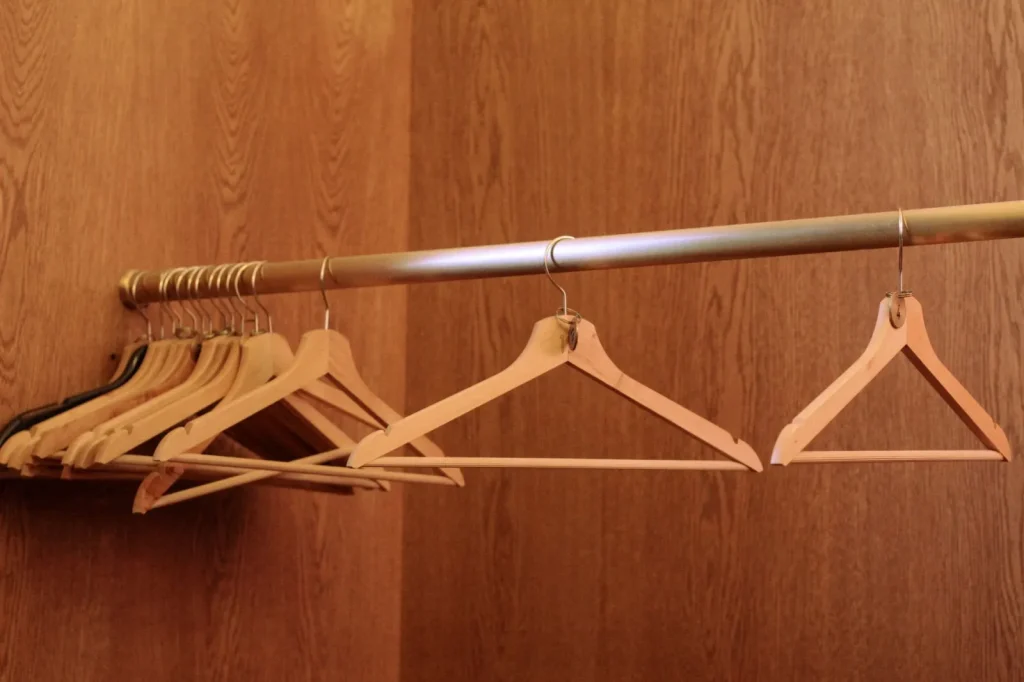
Spend five minutes diagnosing before you buy anything. Open the door and use your senses.
A musty smell that hits you on opening means moisture is already sitting in there. Press your hand flat against the back wall, especially if it faces outside. Cold or slightly damp drywall points to a condensation problem, not just stale air.
A cheap hygrometer helps enormously here. You can get a small digital one for about 10 to 15 dollars, and it takes the guesswork out. If you want the full picture on target numbers, our guide on the Best Humidity Level to Prevent Mold breaks it down by room.
Step 1: Get air moving
Airflow is the single biggest lever you have, and it costs almost nothing. Stagnant air is what turns a slightly humid closet into a science experiment.
Open the door on a schedule
A closed closet door seals moisture in. Leave the door cracked a few inches, or open it wide for an hour when you run the bedroom’s air conditioning or a fan. In tight closets, swapping a solid door for a louvered one changes the game.
Cut vents or gaps if the closet is sealed
Some builders frame closets airtight. A pair of small louvered vents, one low and one high on the door, lets air convect through instead of sitting dead. It is a 30-minute job with a jigsaw.
A small, low-wattage closet fan or even a computer fan on a timer, running 15 minutes a couple of times a day, keeps air from ever going fully stagnant. Battery-powered clip fans work for closets without an outlet.
Step 2: Space things out
Here is the mistake I see in nearly every problem closet: everything is packed so tightly that air physically cannot reach the fabric. Wall-to-wall clothing is a mold incubator.
Give each item breathing room. You want to see gaps of light between hangers, not a solid wall of cotton.
- Leave at least a finger’s width between hangers, more if you can.
- Pull hanging clothes 2-3 inches off any exterior wall.
- Keep a gap between stacked shelves and the back wall so air circulates behind them.
- Store shoes on a raised rack, not flat on the floor where air pools.
- Never stuff items into the far corners where circulation dies.
If your closet is simply overfull, that is your answer. A closet at 60 percent capacity breathes. One at 100 percent does not.
Step 3: Add the right moisture absorber
Absorbers are your supporting cast. They pull humidity out of small enclosed spaces, and for a wardrobe they can do real work. Just remember they treat symptoms, so pair them with airflow.
| Absorber | How it works | Best for | Cost |
|---|---|---|---|
| Silica gel packs | Adsorbs moisture, rechargeable in an oven | Shoe boxes, drawers, small bins | $8-15 per pack set |
| Calcium chloride tubs | Draws water into a disposable crystal that liquefies | Whole closet floor or shelf | $5-10, refills cheaper |
| Charcoal or bamboo bags | Light moisture and odor control | Freshening, mild damp | $10-20 per set |
| Mini electric dehumidifier | Peltier or desiccant, plug-in | Walk-in closets with an outlet | $30-60 |
Calcium chloride tubs are the workhorse for a whole closet. They can pull a surprising amount of water out of the air, and you will see the collected liquid fill the bottom reservoir over a few weeks. Silica gel shines inside shoe boxes and drawers, and you can recharge it by baking it at low heat.
For a large walk-in with power, a small plug-in unit is worth it. The choice between the two main types matters here, and our comparison of Desiccant vs Compressor Dehumidifier Compared explains why desiccant models handle cool closets better than compressor ones.
An absorber in a packed, sealed closet is like bailing a boat without plugging the hole. Fix the airflow and the source first, then let the absorber mop up what is left.
Step 4: Store clothes and shoes clean and dry
Damp storage is self-inflicted mold. This step costs nothing and prevents most problems.
Never hang or fold anything that is even slightly damp. Give laundry an extra 20 minutes to fully cool and dry before it goes in, since warm clothes release moisture as they sit.
Shoes deserve special attention because feet sweat and leather holds water. Let worn shoes air out overnight before boxing them, and drop a silica pack or a cedar shoe tree inside. Cedar absorbs a little moisture and smells clean without chemicals.
Plastic garment bags and airtight bins trap whatever moisture is already inside with the fabric. If clothes go in even slightly damp, a sealed bag becomes a greenhouse. Use breathable cotton garment bags instead for long-term storage.
Step 5: Tackle the cold-wall problem
If your diagnosis pointed to a cold exterior wall, absorbers alone will not solve it. You have to stop the condensation.
Pull all storage a few inches off that wall so air can reach it and dry it. In stubborn cases, a thin foam insulation board behind the shelving raises the wall’s surface temperature enough to stop the sweating. Warming the closet slightly, by letting heated room air in, also lifts the surface above the dew point.
This is the same battle people fight with Damp Basement Causes and Fixes, just on a smaller stage. The physics is identical: warm surfaces do not condense.
Keeping it that way
Once you have air moving, items spaced out, an absorber working, and clothes stored dry, a closet stays clean with almost no effort. The upkeep is genuinely minimal.
Check your absorber monthly and refill or recharge it. Glance at the hygrometer now and then to confirm you are under 60 percent. Every season, pull everything out, wipe the shelves, and let the empty closet air out for a day. For the science on why 60 percent is the magic number, the EPA’s guidance on mold and moisture and the CDC’s page on mold in the home are both worth a read.
Start with the free steps today: crack the door, space out your clothes, and stop storing anything damp. Those three alone fix the majority of musty closets I have ever opened.
Frequently asked questions
What humidity level prevents mold in a closet?
Aim to keep closet relative humidity below 60 percent, and ideally in the 45-50 percent range. Mold spores need moist surfaces to colonize, and they struggle once the air stays that dry. A cheap digital hygrometer, about 10 to 15 dollars, lets you actually see the number instead of guessing. If readings climb above 60 percent, add airflow and a moisture absorber.
Do moisture absorbers really stop mold on clothes?
They help, but they are a supporting tool, not a full fix. Absorbers like calcium chloride tubs and silica gel pull humidity out of small enclosed spaces, which lowers the risk. They cannot overcome a sealed, overpacked closet or a wall that keeps condensing. Pair an absorber with better airflow and proper spacing, and it will do real work rather than fighting a losing battle.
Why do my shoes get moldy in the closet but my shirts do not?
Shoes hold moisture longer because feet sweat and leather absorbs water, so they go into storage already damp. Sitting flat on a closet floor, where air barely moves, keeps them wet. Let worn shoes air out overnight before boxing them, store them on a raised rack, and tuck a silica gel pack or cedar tree inside each pair to draw out the leftover moisture.
Should I leave my closet door open or closed to prevent mold?
Open, or at least cracked a few inches. A closed door seals in humidity and creates the still, stale air mold loves. Leaving the door open lets the room's conditioned or moving air circulate through. If you prefer privacy, a louvered door or a couple of small vents cut into a solid door gives you the airflow without leaving it wide open all the time.
Can a closet on an exterior wall be saved from recurring mold?
Yes, but you have to address the cold wall, not just the air. Warm indoor air condenses on a cold exterior surface, so pull storage a few inches off that wall to let it dry. A thin foam insulation board behind the shelving raises the surface temperature enough to stop the sweating. Letting warmer room air into the closet also lifts the wall above its dew point.
How often should I clean out a closet to keep mold away?
A full clear-out once a season is plenty for most closets. Pull everything out, wipe the shelves and walls, and let the empty space air out for a day before restocking. Between those deep cleans, check your moisture absorber monthly and refill or recharge it. A quick glance at a hygrometer now and then confirms you are staying under the 60 percent threshold.

Dharm Solanki
Dharm Solanki spends a lot of time thinking about the air inside people's homes, usually when no one else is. He writes about humidity, ventilation, and dehumidifiers, along with the small fixes that turn a stuffy or damp room into one that feels comfortable again. He would rather explain why a recommendation works than just point at a product, so his guides tend to answer the question you were about to ask next. And if something looks great on paper but struggles in a normal house, he says so.