On this page
- Start by watching the pollen count, not the weather
- Fix your window habits first
- Upgrade the filter that is already doing the work
- Build a pollen airlock at the front door
- Add a portable HEPA unit where you actually sit
- Control humidity so pollen and mold do not double up
- A realistic weekly rhythm for allergy season
The first spring I owned a house with old single-pane windows, I loved throwing them open on a warm April morning. Then my eyes would swell shut by noon and I could not figure out why my “fresh air” felt like a trap.
It was oak pollen. My beautiful cross-breeze was pulling a yellow-green cloud straight through the living room and settling it on every surface I owned.
Outdoor pollen is not something you can filter out of the sky. But the air inside your home is a different story, and a handful of habits will keep the worst of a bad pollen day from following you indoors.
Start by watching the pollen count, not the weather
The most useful five seconds of your allergy morning is checking the local pollen forecast before you decide anything about windows or outdoor chores. A sunny, dry, breezy day feels great and is usually the worst possible pollen day.
Tree pollen tends to peak in early morning, roughly 5 a.m. to 10 a.m. Grass pollen often runs higher in the late afternoon and early evening. Rain temporarily knocks pollen out of the air, so the hours right after a storm are your friend.
The EPA indoor air quality pages and the National Allergy Bureau both publish pollen data by region. Bookmark one and glance at it with your morning coffee so you can time windows, laundry, and yard work for the lowest-count window of the day.
Fix your window habits first
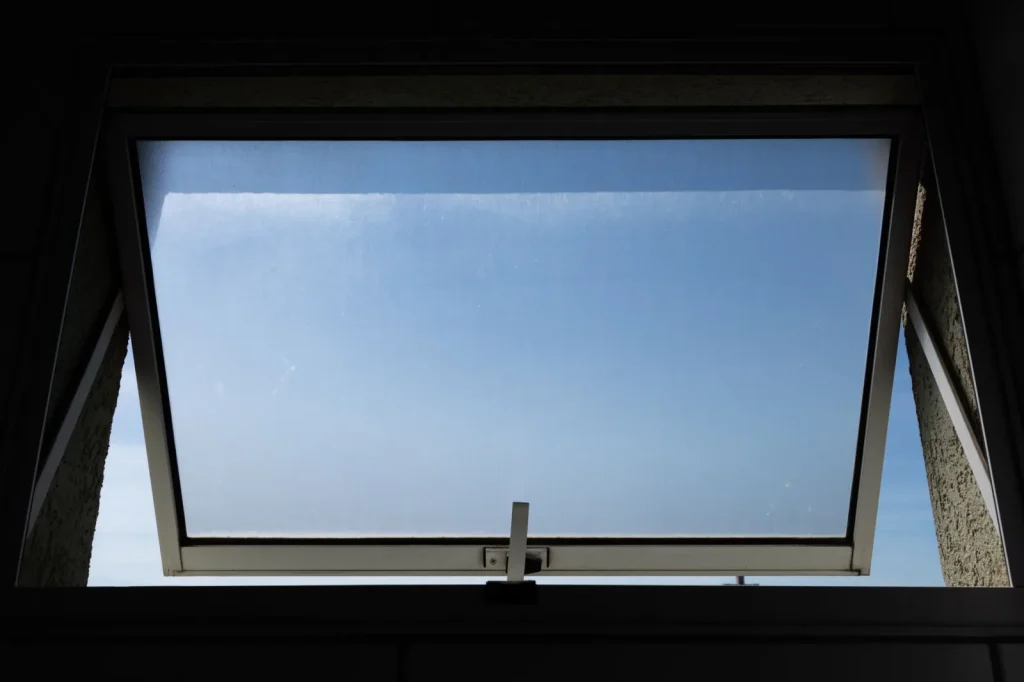
This is the single biggest lever most people ignore. An open window on a high-pollen day undoes almost everything else you do.
Keep them closed during peak hours
On days when the count is moderate or high, keep windows and exterior doors shut from mid-morning through early evening. If you need air movement, run your HVAC system’s fan so air passes through the filter instead of coming in raw off the yard.
Crave that fresh-air feeling? Open up for an hour after a good rain, or late at night when tree pollen has settled, then close everything before the morning peak.
Handle window screens and sills
Screens catch pollen and then release it every time the wind gusts. Wipe them down with a damp microfiber cloth a few times during the season, and vacuum window sills where the yellow dust piles up.
Box fans set in an open window are a classic mistake. They feel like a cheap cooling fix, but you have basically built a pollen intake vent aimed at your couch. If you must run a window fan, use it to exhaust stale indoor air at night, not to pull outdoor air in during the day.
Upgrade the filter that is already doing the work
Your forced-air heating and cooling system moves the entire volume of air in your home through a filter dozens of times a day. Most houses ship with a $3 fiberglass panel that stops lint and little else.
Pollen grains are relatively large, roughly 10 to 100 microns, which is good news. You do not need an exotic filter to catch a lot of it. A pleated filter in the MERV 11 to 13 range traps most pollen while still letting your blower breathe.
| Filter type | Rough cost | Pollen capture | Best for |
|---|---|---|---|
| Fiberglass MERV 1-4 | $2-$5 | Poor | Protecting the equipment only |
| Pleated MERV 8 | $8-$15 | Decent | General dust, mild allergy season |
| Pleated MERV 11 | $15-$25 | Very good | Most allergy households |
| Pleated MERV 13 | $20-$35 | Excellent | Sensitive allergy sufferers |
A word of caution: do not jump straight to the highest number you can find. A filter that is too dense for an older blower can choke airflow, strain the motor, and actually cool and heat your rooms less evenly. If you are unsure, MERV 11 is a safe sweet spot for most residential systems. The ENERGY STAR guidance on home HVAC is a good sanity check.
During peak season, check the filter monthly and replace it as soon as it looks loaded. A clogged filter stops doing its job and starts hurting your airflow. If you want to understand the numbers behind these ratings, MERV Filter Ratings Explained for Homeowners walks through them in plain language.
Set your system fan to “on” rather than “auto” for a few hours a day during heavy pollen stretches. The blower keeps cycling air through the filter even when the system is not actively heating or cooling.
Build a pollen airlock at the front door
Pollen does not just float in through windows. It rides in on your clothes, your hair, your shoes, and your dog. A simple entry routine stops a shocking amount of it before it spreads.
- Leave shoes at the door on a mat you can shake out or hose off weekly.
- Keep a basket for “yard clothes” so pollen-heavy layers do not migrate to the bedroom.
- Rinse your face and hands, and consider a quick shower after long stretches outside.
- Wipe down pets with a damp cloth before they flop on the furniture.
- Dry laundry indoors during peak season instead of on an outdoor line where sheets act like pollen nets.
None of these are heroic. They just interrupt the path pollen takes from your yard to your pillow.
The goal is not a sealed bubble. It is to stop reintroducing the same pollen you worked all day to keep out.
Add a portable HEPA unit where you actually sit
Your whole-house filter does slow, steady cleanup. A portable HEPA air purifier gives you fast, local relief in the one or two rooms where you spend the most hours, usually the bedroom and the main living space.
True HEPA media captures airborne particles down to 0.3 microns, so pollen is well within its range. Match the unit’s rated coverage to your room size and let it run continuously during allergy season. If you want the mechanics, HEPA Filters Explained: What They Trap covers how the media actually works.
A quick reality check on gadgets: an air quality monitor can show you whether your habits are working, but most consumer monitors track fine particles and gases, not pollen specifically. Treat the reading as a general trend, not a pollen counter. What Is a Good Indoor Air Quality Reading sets reasonable expectations.
Control humidity so pollen and mold do not double up
Damp indoor air makes allergy season worse in two ways. It helps mold grow, and it can make settled pollen and dust cling and re-release.
Aim to keep indoor relative humidity between 40 and 50 percent. A small dehumidifier in a basement or a bathroom exhaust fan you actually turn on both help keep that number in range without much fuss.
A realistic weekly rhythm for allergy season
You do not have to do all of this every day. Here is the low-effort version I actually stick to.
Check the pollen count each morning and decide about windows. Run the HVAC fan on high-count afternoons. Change the filter monthly. Run the bedroom HEPA overnight. Shoes off, quick rinse after yard time, laundry inside.
Pick the two or three that fit your day and start there. The window habit and the filter upgrade alone will do most of the heavy lifting, and you can feel the difference within a week of a heavy pollen stretch.
Frequently asked questions
Should I keep my windows closed all day during allergy season?
Not necessarily all day. Keep them shut during peak pollen hours, which is usually mid-morning through early evening for trees and grasses. You can open up for an hour after rain or late at night when pollen has settled, then close them again before the morning peak. Running your HVAC fan gives you air movement without pulling raw pollen inside.
What MERV rating is best for pollen without hurting my HVAC system?
A MERV 11 filter is the safe sweet spot for most homes. It captures the large majority of pollen while still letting your blower breathe. MERV 13 catches even more and suits sensitive allergy sufferers, but very dense filters can choke airflow on older equipment. If you are unsure, start at MERV 11 and check the filter monthly during peak season.
Does a portable air purifier really help with seasonal pollen?
Yes, in the room where it runs. A true HEPA purifier captures particles down to 0.3 microns, and pollen grains are far larger, so they are easy targets. Match the unit's rated coverage to your room size and run it continuously during allergy season. Put it in the bedroom or main living space for the most benefit per dollar.
Why do my allergies feel worse indoors even with the windows closed?
You are probably bringing pollen in on clothes, hair, shoes, and pets, then re-releasing it every time you move around. Screens, sills, and box fans in windows are common hidden sources too. A shoes-off entry routine, wiping down pets, drying laundry indoors, and a quick rinse after yard time cut down that reintroduced pollen more than most people expect.
Do air quality monitors track pollen?
Most consumer monitors do not measure pollen specifically. They track fine particulate matter like PM2.5 and sometimes gases, so a good reading is a general sign your filtration and habits are working, not a direct pollen count. For pollen levels, rely on a local pollen forecast from a service like the National Allergy Bureau and use your monitor to confirm the overall trend.

Dharm Solanki
Dharm Solanki spends a lot of time thinking about the air inside people's homes, usually when no one else is. He writes about humidity, ventilation, and dehumidifiers, along with the small fixes that turn a stuffy or damp room into one that feels comfortable again. He would rather explain why a recommendation works than just point at a product, so his guides tend to answer the question you were about to ask next. And if something looks great on paper but struggles in a normal house, he says so.