On this page
- Why cooking throws off so much PM2.5
- Before you start: set up your kitchen for the spike
- Step 1: Turn the hood on high before the pan gets hot
- Step 2: Cook on the back burners
- Step 3: Manage the heat and the oil
- Step 4: Place an air purifier to catch what the hood misses
- Step 5: Verify with a monitor
- Putting it into practice tonight
The first time I clipped an air quality monitor to my kitchen cabinet, I thought it was broken. I seared two salmon fillets in a cast iron pan, and the PM2.5 reading shot from 8 to 340 micrograms per cubic meter in under three minutes. That is worse than a wildfire smoke day, happening right where I make dinner every night.
Cooking is one of the biggest sources of fine particles most people never think about. The good news is that the fix is mostly about timing and habits, not expensive gear. Here is how I bring those spikes down in my own kitchen, step by step.
Why cooking throws off so much PM2.5
PM2.5 means particles 2.5 microns wide or smaller. They are small enough to slip past your nose and lungs’ defenses and travel deep into your bloodstream, which is why the EPA tracks them so closely.
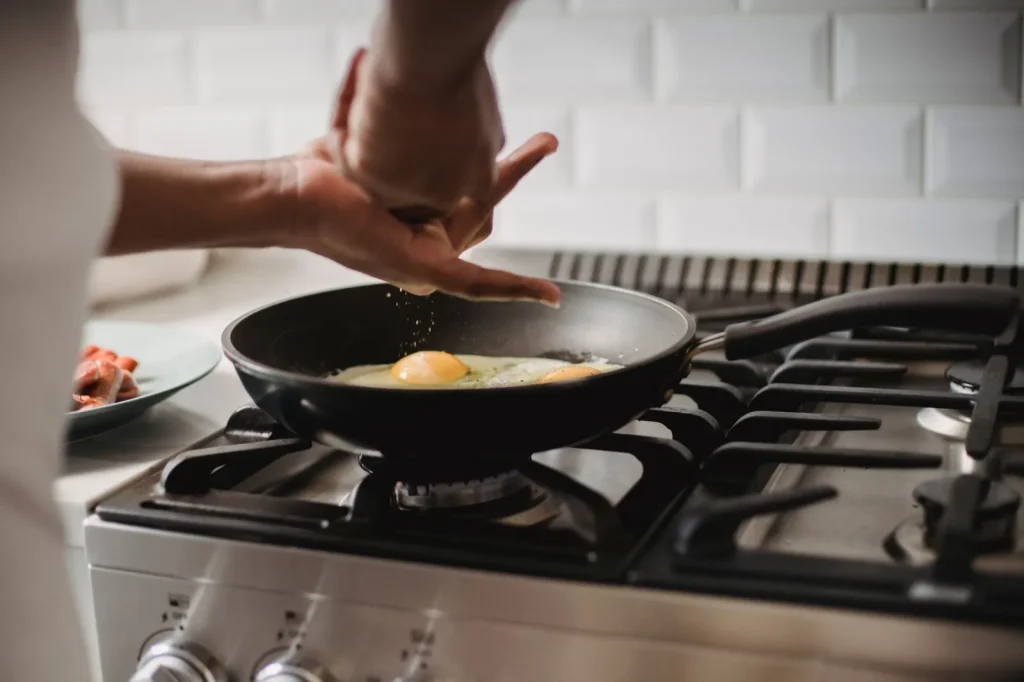
High-heat cooking is a particle factory. When oil hits a hot pan and starts to smoke, or when fat drips and chars, you get a burst of ultrafine droplets and soot. Gas burners add their own combustion particles on top of whatever is in the pan.
The worst offenders are predictable: searing meat, deep frying, stir-frying, and anything cooked in oil past its smoke point. Boiling pasta barely registers. A ripping-hot wok can spike a room for an hour.
The more smoke, sizzle, and browning you see, the more PM2.5 you are making. Match your ventilation effort to the cooking method, not the recipe.
Before you start: set up your kitchen for the spike
Two minutes of setup before you turn on a burner does more than anything you can do after. Think of it like opening a window before you paint, not after the fumes fill the room.
- Confirm your range hood actually vents outside, not just through a charcoal filter back into the room
- Wipe or replace a greasy hood filter so air can move through it
- Crack a window on the opposite side of the kitchen for cross-flow
- Have your air purifier plugged in and ready near, but not directly under, the stove
A mistake I see all the time: people buy a beautiful over-the-range microwave with a built-in fan and never check where it exhausts. Many recirculate. If yours just blows the air back at you through a mesh filter, it captures grease but does almost nothing for fine particles.
Step 1: Turn the hood on high before the pan gets hot
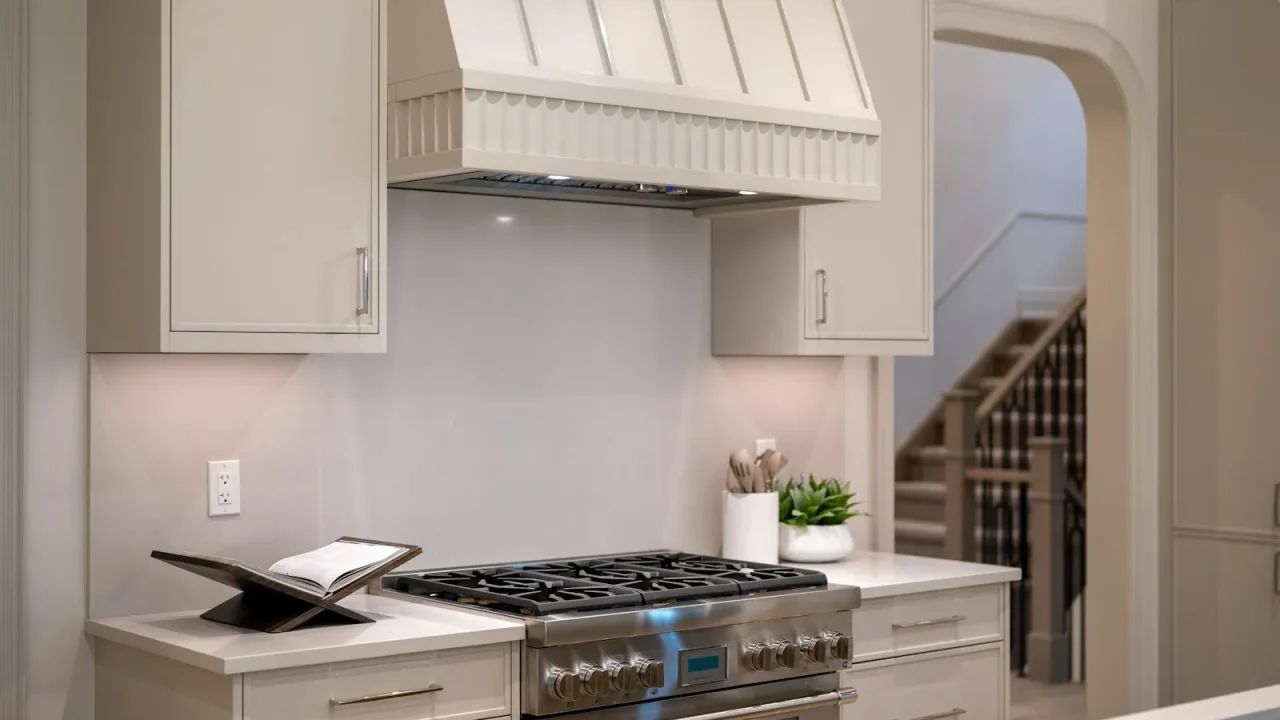
Do not wait for smoke. Start the fan on its highest setting the moment you turn on the burner, ideally 30 seconds earlier. You want the airflow established and the plume captured from the very first wisp.
Airflow matters here. A hood moving 200-400 CFM handles most home cooking. Anything under 100 CFM struggles with a real sear. If your fan is loud but weak, you are getting the noise without the capture.
The single best habit is running the hood on high the whole time, then leaving it on for 10-15 minutes after you plate the food. Particles linger in the air long after the sizzle stops.
Step 2: Cook on the back burners
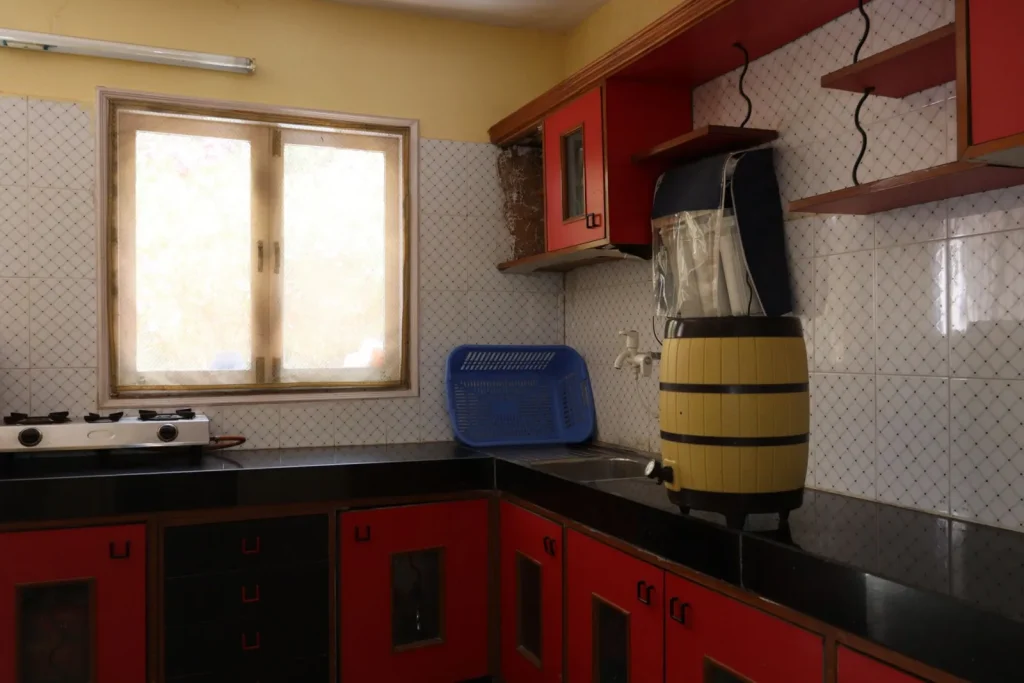
This one is almost free and surprisingly powerful. Range hoods capture far more of the plume when the pan sits on a back burner, directly under the hood’s intake. Studies on capture efficiency consistently show back burners doing roughly twice as well as the front ones.
The front burners sit at the edge of the hood or even in front of it, so a good chunk of the plume drifts out into the room before the fan can grab it. When I moved my everyday frying pan to the back left burner, my monitor showed peak readings drop by about a third with no other change.
Save the front burners for low-particle jobs like simmering sauce or boiling water. Reserve the back burners for anything that smokes, sizzles, or splatters.
Step 3: Manage the heat and the oil
You make fewer particles when oil never passes its smoke point. Choose an oil that matches your heat: avocado and refined oils handle high searing well, while extra-virgin olive oil smokes early and dumps particles fast.
Preheat the pan, then add oil and food promptly so the oil is not sitting there smoking. Wipe out burnt bits between batches. A pan crusted with charred fond keeps generating soot long after the food is done.
Gas cooktops deserve a special mention. The flame itself is a combustion source, adding nitrogen dioxide and particles independent of the food. If you cook on gas, ventilation is not optional, and this ties into the broader topic of Common Indoor Air Pollutants Found at Home.
Step 4: Place an air purifier to catch what the hood misses
Even a great hood misses some of the plume, especially in open-plan homes where the kitchen bleeds into the living room. A purifier with a true HEPA filter is your backup, catching the fine particles that escaped capture.
Where to put it
Put the unit 6-10 feet from the stove, roughly at the edge of the kitchen where drifting particles collect. Do not tuck it directly under the hood, where the fan already handles the air, and do not bury it in a corner behind a cabinet. It needs clear airflow on the intake and output sides.
How big it needs to be
Size it by clean air delivery rate, or CADR, for your kitchen’s square footage. For fast recovery after a cooking spike, you want the purifier able to cycle the room’s air 4-5 times per hour. A cramped galley kitchen needs far less than an open great room. If you are unsure, our guide on How to Size an Air Purifier by CADR walks through the math.
| Cooking method | Typical PM2.5 spike | Best defense |
|---|---|---|
| Boiling, steaming | Low | Hood on low is plenty |
| Sauteing in oil | Moderate | Hood high, back burner |
| Searing, stir-frying | High | Hood high, back burner, purifier |
| Deep frying, broiling | Very high | All of the above, plus window |
Step 5: Verify with a monitor
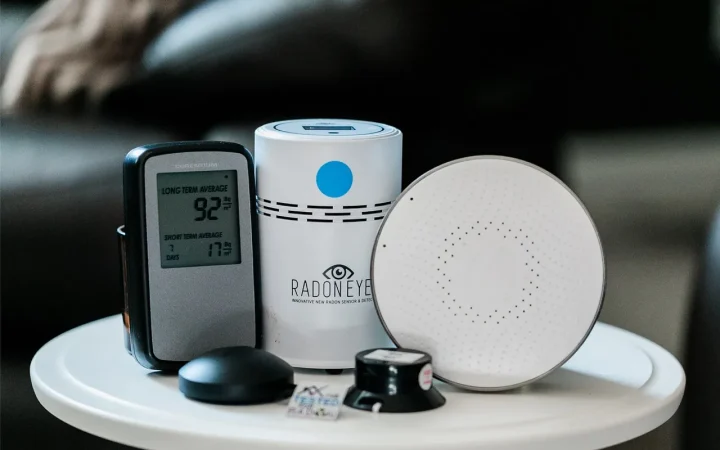
You cannot manage what you cannot see. A simple air quality monitor in the $80-150 range shows the spike in real time and, more importantly, shows how fast your habits bring it back down.
Watching the number climb during a sear and then fall within 15 minutes of good ventilation is genuinely motivating. It turns abstract advice into a game you can win. For context on what the numbers mean, a reading under 12 micrograms per cubic meter is generally considered good indoor air.
If your PM2.5 stays high for an hour after cooking, your hood is probably recirculating or clogged, or your kitchen has no makeup air. That lingering haze is the sign your ventilation is not actually clearing particles.
Putting it into practice tonight
You do not need to do all five steps perfectly to see a difference. Start with the two free ones: run the hood on high from the first second, and slide your frying pan to a back burner. Those alone will cut most of the spike.
Add a right-sized HEPA purifier and a cheap monitor when you are ready, and you will have a kitchen that recovers from a hard sear in minutes instead of soaking your home in fine particles all evening. Your dinner tastes the same. Your lungs get a much better deal.
Frequently asked questions
Does a recirculating range hood reduce PM2.5 from cooking?
Not much. A recirculating hood pulls air through a charcoal and grease filter, then blows it back into the kitchen. It captures grease droplets and some odor, but it does little for fine particles, which pass right through. A hood that vents outdoors is far more effective. If you are stuck with a recirculating unit, lean harder on cracking a window and running a HEPA air purifier nearby.
How long should I run the range hood after cooking?
Keep it on high for 10-15 minutes after you finish. Fine particles stay suspended in the air well after the sizzle stops, so shutting the fan off the moment you plate the food leaves a lot of PM2.5 hanging around. An extra 10 minutes lets the hood and your kitchen airflow clear most of what is left. If you cooked something heavy like a deep-fry, err toward the longer end.
Is cooking on gas worse for PM2.5 than electric?
Gas adds an extra source. The flame itself is a combustion process that produces fine particles and nitrogen dioxide on top of whatever the food gives off. Electric and induction cooktops skip that flame, so they generate fewer particles for the same dish. That said, the food and oil still create plenty of PM2.5 on any cooktop, so ventilation matters regardless of your heat source.
Where should I place an air purifier in an open kitchen?
Put it about 6-10 feet from the stove, near the edge where drifting particles collect before spreading into the living space. Keep clear space around the intake and output so airflow is not blocked. Avoid placing it directly under the range hood, where the fan already handles the air, and avoid corners behind furniture. In open-plan homes, one well-placed unit between the kitchen and living room works well.
What air purifier size do I need for kitchen cooking smoke?
Match the clean air delivery rate to your kitchen area so the unit can cycle the room's air 4-5 times per hour for fast recovery after a spike. A small galley kitchen might need a CADR of 100-150, while an open great room can require 250 or more. Always pick a purifier with a true HEPA filter, since that is what actually traps the fine particles cooking produces.
Can I reduce cooking particles without buying any equipment?
Yes, and the free habits do most of the work. Start your existing hood on high before the pan heats up, cook on the back burners so the hood captures more of the plume, and crack a window for cross-flow. Keep oil below its smoke point and wipe out charred bits between batches. These cost nothing and typically knock down the biggest part of the spike on their own.

Dharm Solanki
Dharm Solanki spends a lot of time thinking about the air inside people's homes, usually when no one else is. He writes about humidity, ventilation, and dehumidifiers, along with the small fixes that turn a stuffy or damp room into one that feels comfortable again. He would rather explain why a recommendation works than just point at a product, so his guides tend to answer the question you were about to ask next. And if something looks great on paper but struggles in a normal house, he says so.