
On this page
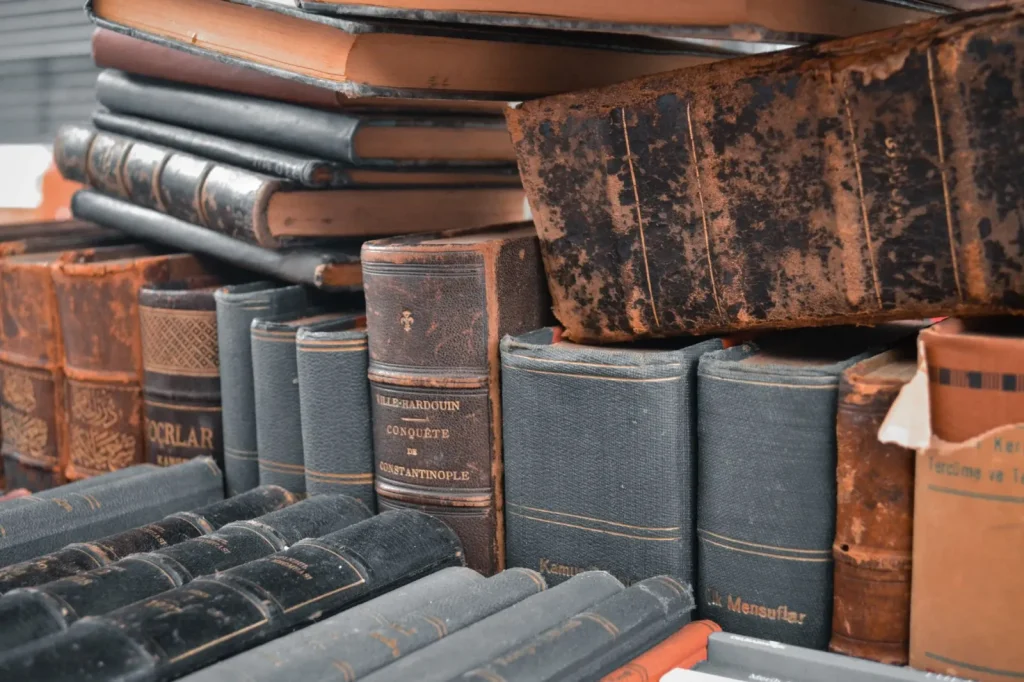
The first ruined book I ever handled was a leather-bound atlas from the 1890s that had spent forty years in a Connecticut basement. The pages had gone wavy, the spine had bloomed with rust-colored spots, and it smelled like a damp cellar even after a week on a dry shelf. Nothing dramatic happened to it. It just sat in the wrong humidity, quietly, for decades.
That is how most art and paper damage works. Not a flood, not a fire, just air that was a little too damp or a little too dry, held for years.
The good news is that the target range for protecting humidity for artwork and books is well established, and you can hold it in a normal house without a climate-controlled vault.
The archival target: 40-50 percent, with 45 as the anchor
Museums and conservators have settled on a relative humidity band of roughly 40 to 50 percent for mixed collections. If I had to name one number, I would say 45 percent. That gives paper, canvas, wood, and leather enough moisture to stay flexible without inviting mold.
Pair that with a stable temperature in the 65-70 degree Fahrenheit range and you have conditions that most originals will happily sit in for a lifetime.
Target 40-50 percent RH and 65-70 F. When collections mix paper, leather, and painted surfaces, park it at 45 percent and let stability do the rest.
Why not just aim high or low to be safe?
Because both extremes cause distinct damage. Below about 35 percent, paper and parchment lose moisture, get brittle, and crack when handled. Adhesives dry out, and canvas can tighten and flake paint.
Above 55-60 percent, you enter mold and pest territory. Foxing, those small rust-brown spots on old paper, accelerates. Bindings warp, and pages cockle into a wavy mess like my basement atlas.
| RH level | What happens to art and paper |
|---|---|
| Below 35% | Paper brittle and cracking, canvas tightens, adhesives fail, veneers split |
| 40-50% | Safe zone. Materials stay flexible and stable |
| 55-65% | Foxing speeds up, pages cockle, wood swells, mold risk rises |
| Above 65% | Active mold, musty odor, pest activity, rapid deterioration |
Before you start: measure what you actually have
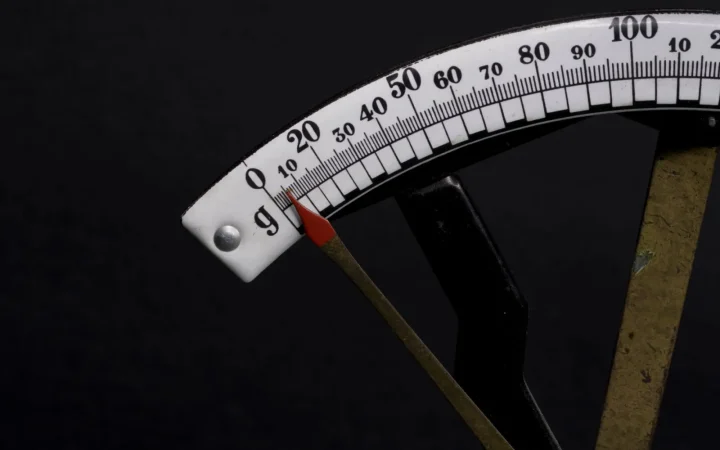
You cannot manage a number you are not watching. So before buying a single humidifier or dehumidifier, put a hygrometer in the room where your collection lives.
A basic digital hygrometer runs $12-25. A data-logging model that records highs and lows over a week costs $30-60 and is worth it, because the daily swing tells you more than any single reading.
Place the hygrometer at shelf height, near the art or books, not on an exterior wall. Let it settle for a few hours before you trust the number, and check it against a second unit if a reading surprises you.
Watch it for a week in each season if you can. A closet that reads 45 percent in July may plunge to 25 percent in January once the furnace runs. That seasonal spread is the real problem to solve, and it connects directly to how your whole house behaves in different weather.
Step by step: holding the range in a real home
1. Pick the steadiest room you have
Interior rooms and closets, away from exterior walls, windows, attics, and unfinished basements, hold the most stable conditions with zero equipment. Exterior walls swing with the outdoor weather, and basements trend damp while attics trend hot and dry.
A mistake I see all the time is storing a family Bible or a framed print in the basement “to keep it out of the way.” That is often the single worst spot in the house for it.
2. Handle the summer damp
In humid months, most homes drift above 50 percent, sometimes well past 60. A dehumidifier set to 45 percent handles this. For a single room or closet, a 20-30 pint unit is plenty; for a whole basement library, size up to 35-50 pints.
Empty the tank or run a drain hose, and clean the coils each season so it keeps pulling its rated capacity.
3. Handle the winter dry-out
Heating season is the sneaky one. Furnace air can drop a room to 20-30 percent, brittle territory for paper. A small evaporative or ultrasonic humidifier, set around 45 percent, brings it back up.
Never point a humidifier’s mist stream at a shelf, frame, or open book. Aim it into open air so the moisture disperses evenly. A puddle of condensation near a spine will do more damage in a week than dry air does in a year.
4. Control the swing, not just the average
Here is the part collectors miss. A slow drift from 42 to 48 percent over a month is harmless. A daily jump from 35 to 60 percent, as art absorbs and releases moisture, is what fatigues fibers and pops paint.
Stability beats perfection. Art that lives steadily at 55 percent ages better than art that bounces between 30 and 60 every day.
Enclosed spaces buffer the swing for free. A closed bookcase, an archival box, or a sealed frame package all slow how fast moisture moves in and out, which flattens the daily spike your hygrometer would otherwise show.
Framing, boxing, and shelving that help
How you house each piece changes how much the room’s humidity even reaches it.
- Frame works on paper with a mat and spacer so the surface never touches the glass, where condensation forms.
- Store loose prints and documents flat in acid-free, lignin-free boxes and folders.
- Shelve books upright and snug, but not crushed, so bindings support each other without warping.
- Keep everything a few inches off exterior walls and off the floor to let air move behind it.
- Leave a small air gap behind framed art on a wall so the back can breathe.
Silica gel packets inside a display case or box add a passive buffer that soaks up small spikes. They are cheap insurance for a prized single item.
Reading the warning signs before damage sets in
Your collection will tell you when humidity has drifted, if you know the tells.
Wavy or cockled pages and rippled mat board mean it has been too damp. A musty, cellar smell means mold is either present or about to be. New foxing spots point the same direction.
On the dry side, watch for pages that feel crisp and crackle, paint or ink that flakes, and wood frames or panels that develop hairline splits. Catch these early and a corrected room usually halts the progression.
If you smell must, isolate the item immediately in a dry, ventilated spot and get the room’s RH under 50 percent before mold spreads to neighbors on the shelf.
Your practical next step
Do not buy anything yet. Put one hygrometer where your books or art actually sit, and watch it for a week. That single reading, tracked over a few days, tells you whether you are fighting summer damp, winter dry-out, or nothing at all.
From there the fix is small and specific: a dehumidifier for a damp basement shelf, a humidifier for a furnace-dried study, or simply moving a beloved piece off an exterior wall to a steadier interior closet. For deeper background on mold and moisture control, the EPA’s mold and moisture pages and the Department of Energy’s Energy Saver guidance on home humidity are solid, stable references.
Hold 40-50 percent, keep it steady, and the atlas on your shelf will still read clean when your grandkids open it.
Frequently asked questions
What is the ideal humidity for storing books and artwork?
Aim for 40 to 50 percent relative humidity, with 45 percent as the reliable anchor for mixed collections of paper, canvas, and leather. Pair that with a steady temperature of 65 to 70 degrees Fahrenheit. This range keeps materials flexible enough to avoid cracking while staying dry enough to prevent mold and foxing.
What happens to books if the humidity is too high?
Above roughly 55 to 60 percent, pages cockle into waves, bindings warp, and rust-brown foxing spots spread faster. Past 65 percent you risk active mold, a musty cellar smell, and pest activity. High humidity does slow, quiet damage over months and years rather than all at once, which is why it often goes unnoticed.
Can dry air damage paper and canvas?
Yes. Below about 35 percent relative humidity, paper and parchment lose moisture, grow brittle, and crack when handled. Adhesives dry and fail, canvas tightens, and wood panels or veneers can split. Furnace heat in winter is the usual culprit, sometimes dropping a room into the 20s, so a small humidifier is often needed in heating season.
Is a stable humidity more important than the exact number?
Stability matters more than hitting a perfect figure. A slow drift from 42 to 48 percent over a month is harmless, but a daily swing from 35 to 60 percent fatigues fibers and pops paint. Materials held steadily at 55 percent often age better than ones that bounce widely each day. Enclosed boxes and cases buffer these swings.
Where in my house should I store valuable books and art?
Choose an interior room or closet away from exterior walls, windows, attics, and unfinished basements. Those interior spaces hold the steadiest conditions with no equipment. Basements trend damp and attics run hot and dry, so both are poor choices despite being common storage spots. Keep items off the floor and a few inches from exterior walls.
Do I need a humidifier or a dehumidifier for my collection?
It depends on your climate and season, so measure first with a hygrometer. Damp basements and humid summers usually call for a dehumidifier set to 45 percent. Dry winters with running heat call for a small humidifier. Many homes need both across the year. Watching your hygrometer for a week in each season tells you which problem you actually have.

Dharm Solanki
Dharm Solanki spends a lot of time thinking about the air inside people's homes, usually when no one else is. He writes about humidity, ventilation, and dehumidifiers, along with the small fixes that turn a stuffy or damp room into one that feels comfortable again. He would rather explain why a recommendation works than just point at a product, so his guides tend to answer the question you were about to ask next. And if something looks great on paper but struggles in a normal house, he says so.