On this page
The first thing that surprises people about pet dander is how little it has to do with fur. Dander is actually microscopic flakes of skin, and the protein that triggers allergies rides along in saliva and urine too. A short-haired cat can set off worse symptoms than a fluffy dog, which throws a lot of pet owners off.
I learned this the hard way on a service call years ago. A family had spent hundreds on a “hypoallergenic” breed and were baffled that the daughter’s eyes still watered every evening. The dander was already everywhere, settled into the couch cushions and drifting up every time someone sat down.
If you love your pet but dread allergy season indoors, this is a problem you can manage. Not erase, but manage. Here is how dander behaves and the steps that actually move the needle.
Why pet dander is so hard to get rid of
Dander particles are tiny. Most flakes measure between 2 and 5 microns, which is smaller than a dust mite and small enough to stay suspended in the air for hours after your pet walks through a room.
That size is the whole problem. Heavier particles fall to the floor where a vacuum can reach them. Dander floats, settles on vertical surfaces like walls and curtains, and gets kicked back into the air with the smallest disturbance.
The allergen is also sticky. It clings to fabric, clothing, and HVAC ductwork, and it hitches a ride on your clothes to places your pet has never been. Studies have found cat allergen in classrooms and offices where no cat has ever set foot.
If you can see fur, you are only seeing the visible tip. The dander that irritates airways is invisible and already airborne. Manage the particles you cannot see, not just the ones you can.
This is why one deep clean never fixes it. You lower the level for a day, and by the end of the week the reservoir in your soft furnishings has refilled the air again. The fix is a routine, not an event.
Start at the source: grooming your pet
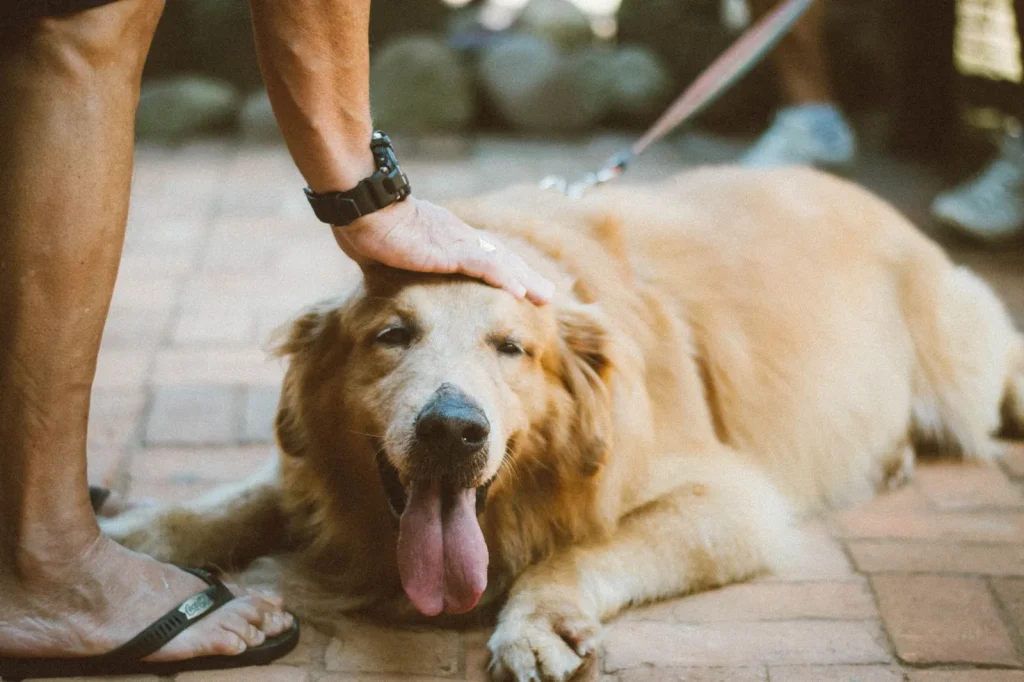
Nothing you buy will outperform removing dander before it spreads. Grooming is the single highest-value habit, and it is the step people skip most.
How often to brush and bathe
Brush dogs and cats 2-3 times a week, and do it outdoors or in a bathroom you can wipe down afterward. Brushing indoors on the living room rug just relocates the problem.
Bathing helps, but do not overdo it. For most dogs, a bath every 3-4 weeks with a gentle pet shampoo washes away loose dander and saliva residue without drying out the skin. Dry skin flakes more, which defeats the purpose. Cats rarely tolerate baths, so a damp cloth wipe-down two or three times a week is a realistic substitute.
If your own allergies make grooming miserable, wear a basic N95 mask and have someone else do it when you can. The person brushing gets the biggest dander exposure of anyone in the house.
Feed a diet with enough omega-3 fatty acids too. Healthier skin sheds fewer flakes, and your vet can point you to the right food or supplement.
Filter the air that is already carrying dander
Once dander is airborne, you need to pull it out of circulation faster than your pet produces it. Two tools do the heavy lifting here.
A true HEPA air purifier
A HEPA filter captures 99.97 percent of particles at 0.3 microns, which comfortably covers the dander size range. Put a portable HEPA purifier in the room where the family and the pet spend the most time, usually the living room or a bedroom.
Match the unit to the room. Look at the CADR (clean air delivery rate) and pick a purifier rated for at least your room’s square footage, ideally one that can cycle the room’s air 4-5 times an hour. An undersized unit in a big room is money spent for little effect. If you want the deeper background, HEPA Filters Explained: What They Trap covers exactly how these filters catch fine particles.
Upgrade your furnace filter
Your central HVAC system moves a huge volume of air, so the filter in it matters. A cheap fiberglass filter barely touches dander. Step up to a pleated filter in the MERV 11 to MERV 13 range, which traps a meaningful share of fine particles on every pass.
| Filter type | Catches pet dander? | Typical cost each |
|---|---|---|
| Fiberglass (MERV 1-4) | Barely | $3-6 |
| Pleated MERV 8 | Some | $10-18 |
| Pleated MERV 11-13 | Most fine dander | $18-35 |
| True HEPA (standalone unit) | Nearly all | $100-350 for the unit |
One caution: not every furnace can push air through a MERV 13 filter without strain. Check your system’s rating or ask an HVAC tech before jumping to the densest option. If MERV 13 restricts airflow, MERV 11 is the safer sweet spot. MERV Filter Ratings Explained for Homeowners walks through matching a filter to your equipment.
Change these filters every 60-90 days, and closer to every 30-45 days in a heavy-shedding household. A clogged filter stops working long before it looks dirty.
Clean so you trap dander instead of scattering it

Cleaning technique matters more than cleaning frequency. Dry dusting and a weak vacuum stir dander back into the air, where it will be breathed before it settles again.
- Vacuum carpets, rugs, and upholstery twice a week with a HEPA-filter vacuum
- Wipe hard surfaces, baseboards, and shelves with a damp microfiber cloth, not a dry duster
- Wash pet bedding weekly in water at 130 F or hotter to break down the allergen protein
- Launder throw blankets and slipcovers the pet uses on the same weekly schedule
- Keep at least one room, ideally the allergic person’s bedroom, entirely pet-free
The bedroom rule does more than it sounds. You spend a third of your life in there, so a dander-free sleeping space gives your airways hours of recovery every night.
Do not vacuum right before an allergy-prone person enters the room. Even a good vacuum stirs some dander into the air. Vacuum, then let the space settle and the purifier run for 30-60 minutes before they come back in.
A mistake I see all the time: people buy the biggest air purifier they can afford and then skip grooming entirely. The purifier cleans up after a problem the brush would have prevented.
Manage humidity and airflow
Dry indoor air makes skin flake more, for pets and people alike. Keeping relative humidity in the 40-50 percent range helps skin stay supple and keeps fine particles from bouncing around quite so freely.
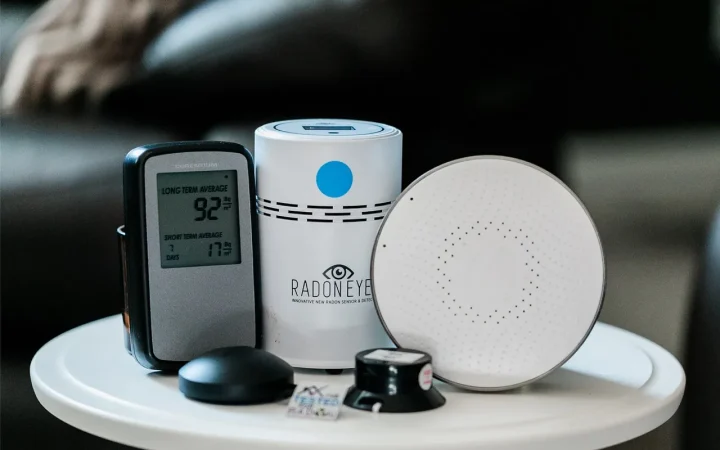
Open a window when weather allows and run bathroom or kitchen exhaust fans to move stale, particle-heavy air out. Fresh air dilutes indoor allergen concentration, and the EPA’s indoor air quality pages back ventilation as a core strategy for any indoor allergen. If you are curious how your efforts are landing, an inexpensive particle monitor gives you real feedback rather than guesswork.
Putting it into a weekly routine
None of these steps is hard on its own. The trick is stacking them so dander never gets a chance to build up. Grooming handles the source, filtration handles the air, and damp cleaning handles the reservoirs in your fabrics.
Pick a light daily habit and a firmer weekly one. Wipe the cat or run the purifier on high each day, then do the bedding wash, vacuum, and surface wipe every weekend. For a sense of what healthy indoor numbers look like, the EPA introduction to indoor air quality is a solid reference.
You will not hit zero with an animal in the house, and chasing that number will only frustrate you. Aim for steady, and most allergy-prone households find their evenings get a lot easier within a couple of weeks.
Frequently asked questions
Are any dog or cat breeds truly hypoallergenic?
No breed is genuinely allergen-free. So-called hypoallergenic breeds may shed less fur, but they still produce dander, saliva, and urine proteins that trigger reactions. Some people react less to certain individual animals, but that varies pet to pet, not by breed label. If allergies are a concern, spend time around the specific animal before committing rather than trusting a breed's reputation.
How long does pet dander stay in the air and in a home?
Because dander flakes are only 2-5 microns, they can stay airborne for hours after any disturbance. In the home overall, the allergen can linger for months on soft surfaces even after a pet is gone, since it clings to carpet, upholstery, and walls. Regular damp cleaning and HEPA filtration shorten how long it hangs around and how much recirculates.
Does an air purifier alone fix pet allergies?
A purifier helps a lot, but it cannot do the job by itself. It cleans air that is already carrying dander, so it works best paired with grooming that removes dander at the source and cleaning that empties the reservoirs in your fabrics. Think of the purifier as one leg of a three-legged stool, alongside grooming and damp cleaning, not a standalone cure.
What furnace filter is best for pet dander?
A pleated filter rated MERV 11 to MERV 13 catches most fine dander on each pass, far better than a basic fiberglass filter. Confirm your HVAC system can handle the denser filter first, since MERV 13 can strain some units and reduce airflow. If it restricts airflow, MERV 11 is a safe compromise. Change it every 30-90 days depending on how heavily your pet sheds.
Can I keep my pet and still control dander if I have allergies?
Yes, most people can. Combine grooming 2-3 times a week, a HEPA purifier in your main living space, an upgraded furnace filter, weekly hot-water bedding washes, and a pet-free bedroom. These habits together can drop airborne allergen enough to calm symptoms for many households. If reactions stay severe despite consistent effort, talk with an allergist about additional treatment options.

Dharm Solanki
Dharm Solanki spends a lot of time thinking about the air inside people's homes, usually when no one else is. He writes about humidity, ventilation, and dehumidifiers, along with the small fixes that turn a stuffy or damp room into one that feels comfortable again. He would rather explain why a recommendation works than just point at a product, so his guides tend to answer the question you were about to ask next. And if something looks great on paper but struggles in a normal house, he says so.